How Often Should Solar Panels Be Inspected?
Solar panels are built for long-term outdoor use, but that does not mean the entire system should be ignored after installation. Panels, inverters, wiring, mounting hardware, monitoring equipment, and roof penetrations can all develop problems that may not be immediately visible from the ground.
As a general guideline, property owners should consider scheduling a professional solar panel inspection once a year. An inspection may be needed sooner if the system’s production declines, an inverter displays an error, severe weather affects the property, or visible damage appears.
Regular inspections can help identify developing concerns before they lead to prolonged energy loss or more extensive repairs.
How Often Should You Schedule a Professional Solar Inspection?
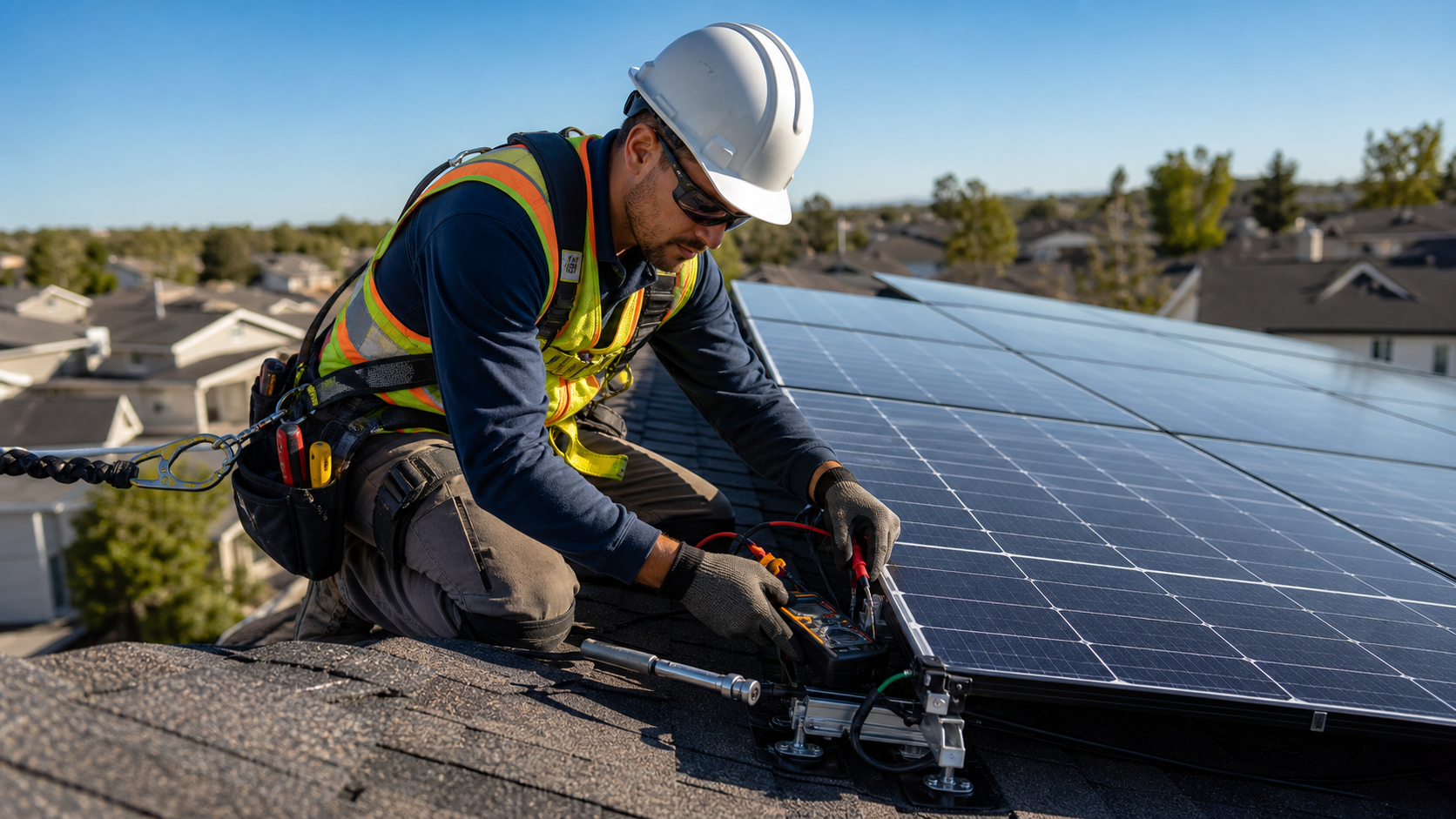
An annual solar system inspection is a practical starting point for many homes and businesses. However, the appropriate schedule may depend on the system’s age, equipment, location, surrounding environment, warranty requirements, and recent performance.
A professional inspection should also be considered:
- After severe wind, hail, or another significant weather event
- When solar production drops unexpectedly
- When the inverter displays an error or warning
- When the monitoring system stops reporting correctly
- Before purchasing a property with existing solar panels
- Before or after roof repairs and replacement
- After nearby construction or falling debris affects the roof
- When birds or other animals begin nesting beneath the panels
- When the system has not been evaluated for several years
Property owners should also review the maintenance recommendations supplied by the panel, inverter, and battery manufacturers. Some equipment warranties may specify inspection, maintenance, or documentation requirements.
Why Solar Panel Inspections Matter
Solar panels have few moving parts, but a solar energy system contains numerous interconnected components. A problem with one panel, electrical connection, inverter, optimizer, or monitoring device can affect the performance of part or all of the system.
Identify Production Problems
A solar system may continue generating electricity even when it is operating below its expected capacity. Reviewing available production information can help identify underperforming panels, inverter problems, or communication issues.
Find Developing Equipment Concerns
Loose connections, deteriorated wiring, damaged panels, and unstable mounting hardware may worsen when left unaddressed. An inspection gives a trained technician an opportunity to identify visible concerns and recommend the appropriate next step.
Evaluate the Condition of the System
An inspection provides a clearer understanding of the condition of the panels and supporting equipment. This information can be particularly valuable when purchasing a solar-equipped home or taking responsibility for a system installed by another company.
Support Preventative Maintenance
Inspections and maintenance work together. Inspection findings can help determine whether the panels need cleaning, debris needs to be removed, a critter guard should be installed, or a component requires professional service.
Warning Signs Your Solar Panels May Need an Inspection
Do not wait for the next routine appointment if your system shows signs of a possible problem. Schedule an inspection or diagnostic service when you notice any of the following.
Unexpected Decline in Energy Production
Solar production naturally changes with the season, weather, daylight hours, and shading. However, a substantial or sustained decline without an obvious explanation may indicate that part of the system is not operating correctly.duction
Compare current production with similar periods from previous years when that information is available. A single cloudy day is not usually a cause for concern, but a continuing pattern may deserve professional attention.
Inverter Errors or Warning Lights
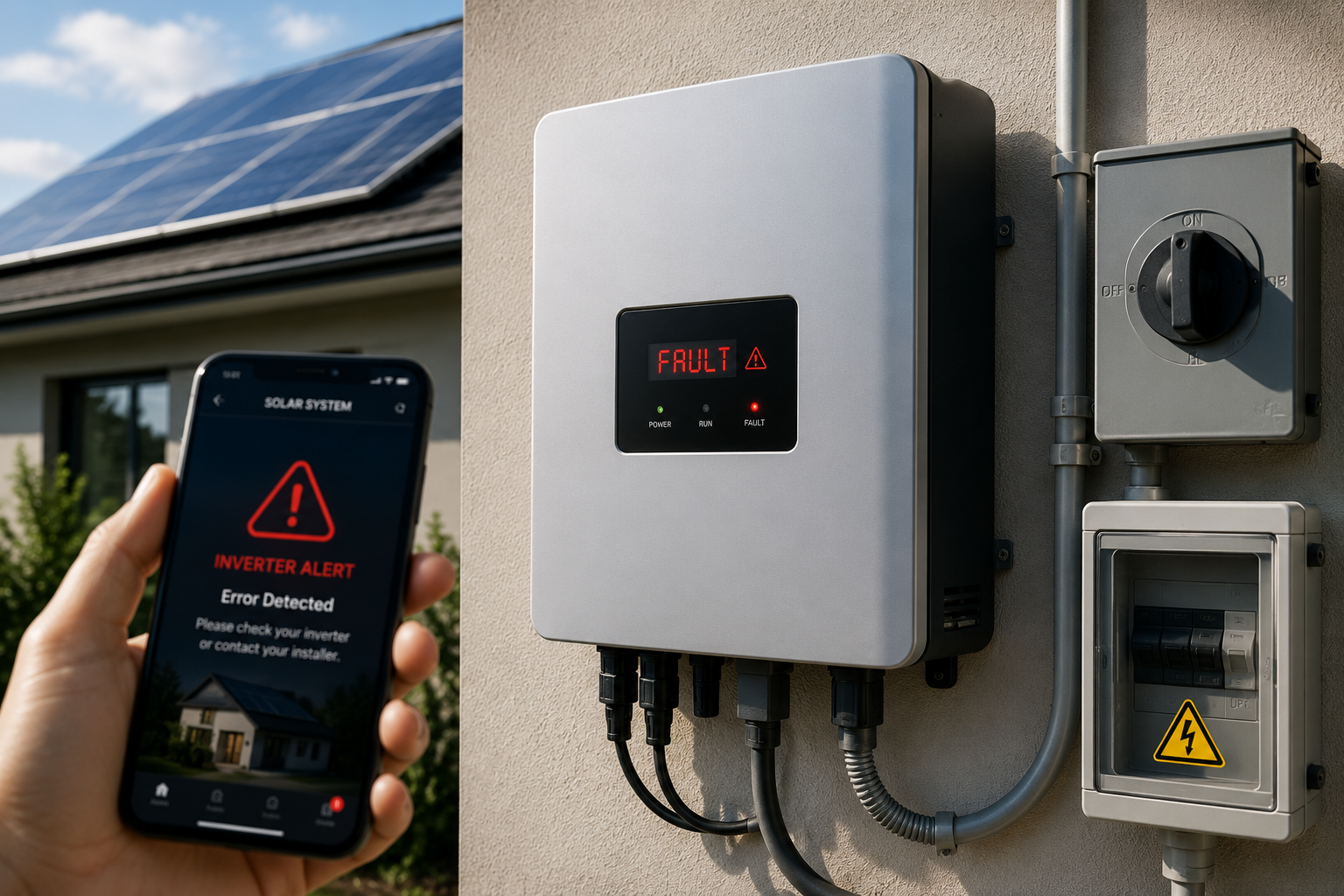
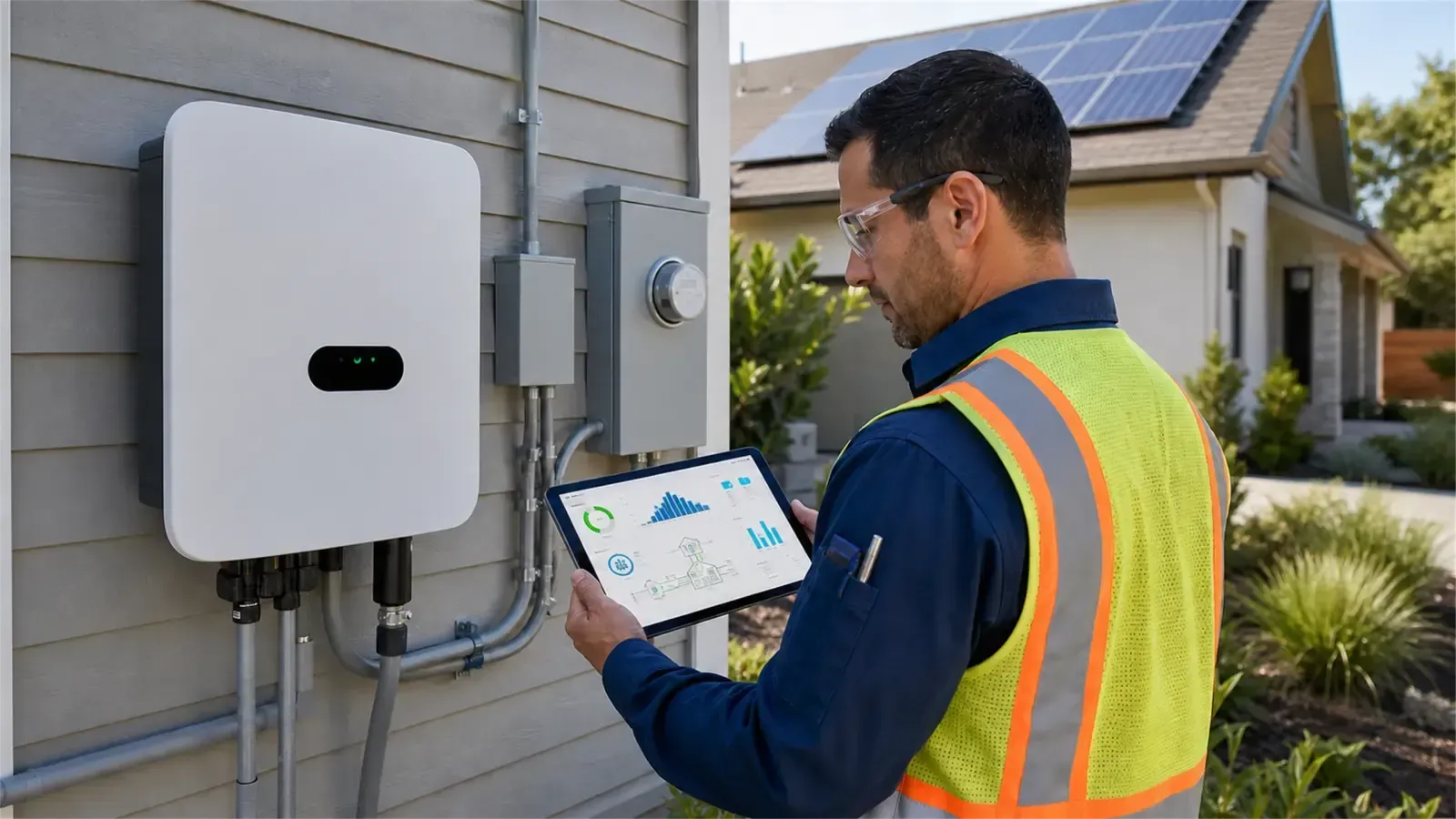
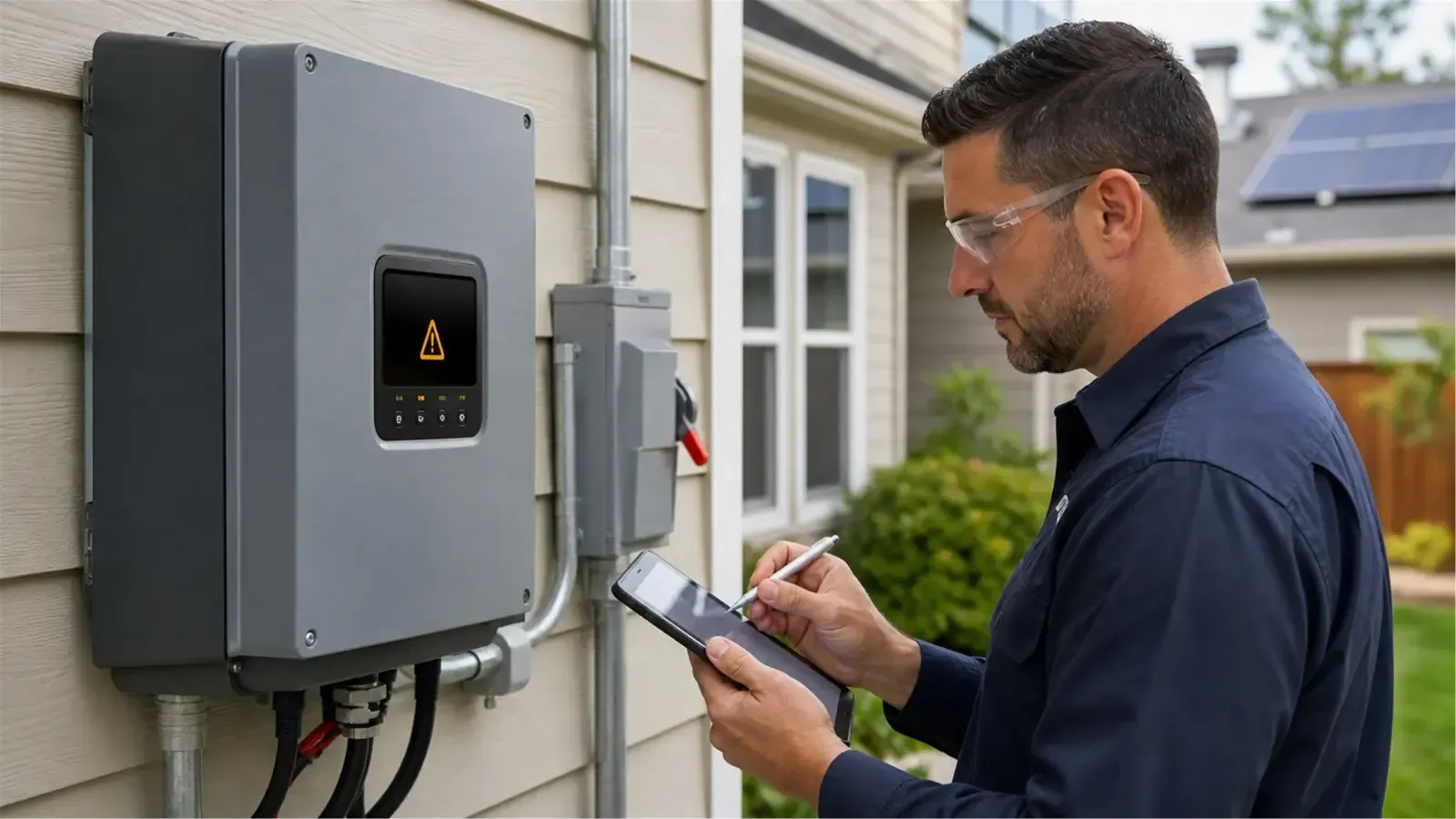
The inverter is an essential part of the solar system. Error codes, warning lights, frequent shutdowns, or missing production data may point to an inverter, electrical, or communication problem.
Record the error code or take a clear photograph of the display before contacting a solar service provider. This information may help the technician prepare for the appointment.
Monitoring System Alerts
According to the U.S. Department of Energy, solar monitoring platforms can identify abnormal conditions, faults, and underperformance that may require attention. If an alert suggests a problem with panels, wiring, mounting hardware, or other physical components, schedule a professional inspection.
Visible Panel Damage
Cracked glass, displaced panels, unusual discoloration, or accumulated debris should be evaluated. Avoid climbing onto the roof to inspect the damage yourself. Rooftop solar equipment involves fall and electrical hazards, even when the system appears inactive.
Loose or Exposed Wiring
Wiring that appears loose, damaged, chewed, or exposed requires professional attention. Do not touch solar wiring or attempt an electrical repair without appropriate training and equipment.
Birds or Animals Beneath the Panels
Birds, squirrels, and other animals may nest beneath a solar array. Nesting materials and animal activity can interfere with wiring, restrict airflow, and leave debris around the equipment.
A professional can inspect the affected area, recommend cleanup or repairs, and determine whether critter guards are appropriate.
Roof Leaks Near the Solar Installation
Water stains or leaks near roof penetrations should be investigated promptly. The source may be unrelated to the solar system, but an inspection can help evaluate the area around the mounting attachments
What Does a Professional Solar Panel Inspection Include?
The exact inspection process depends on the system and the reason for the appointment. A comprehensive inspection may evaluate the following areas.
Solar Panels
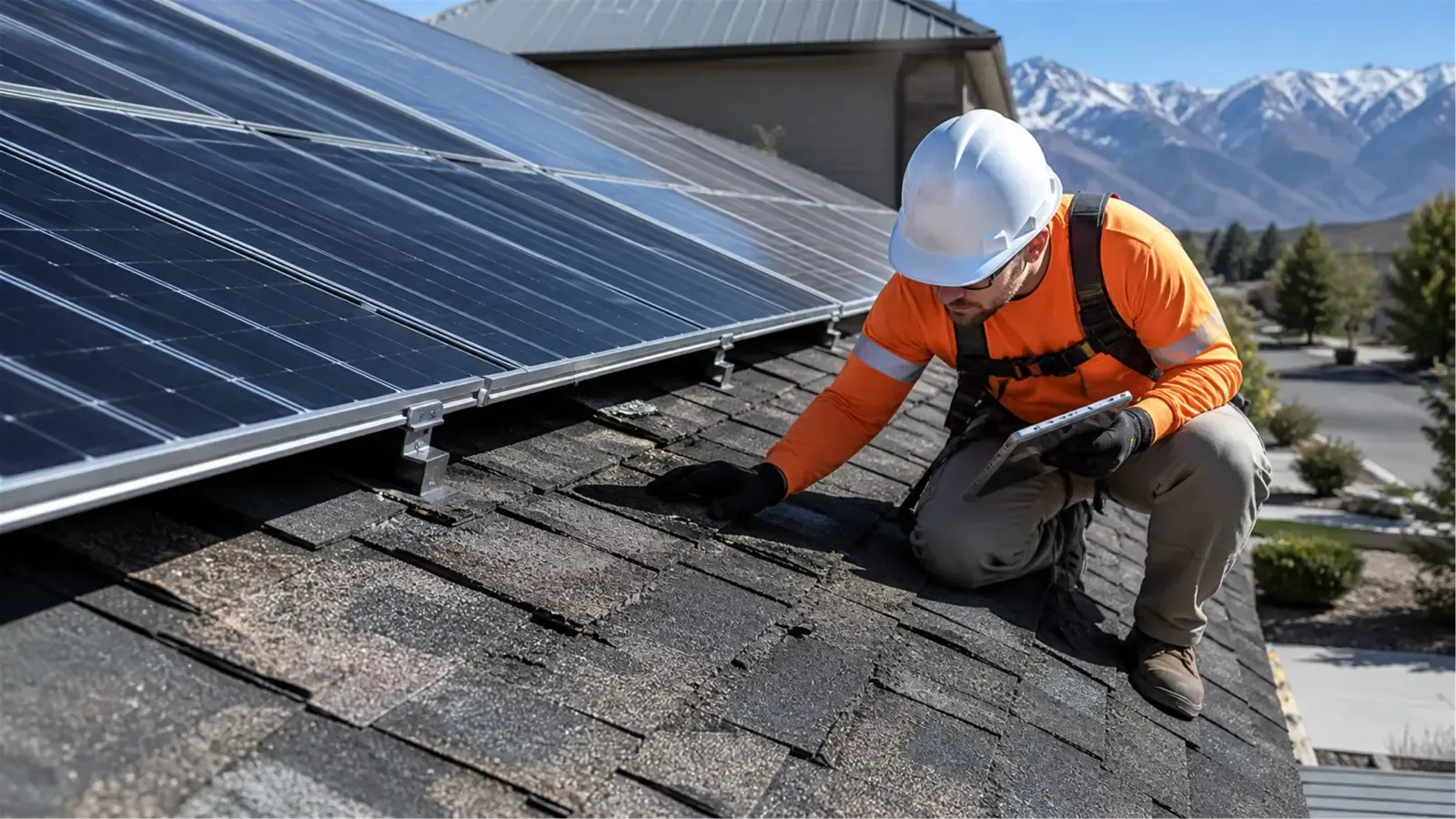
The technician checks accessible panel surfaces and frames for cracks, physical damage, displacement, debris, and other visible concerns.
Mounting Equipment
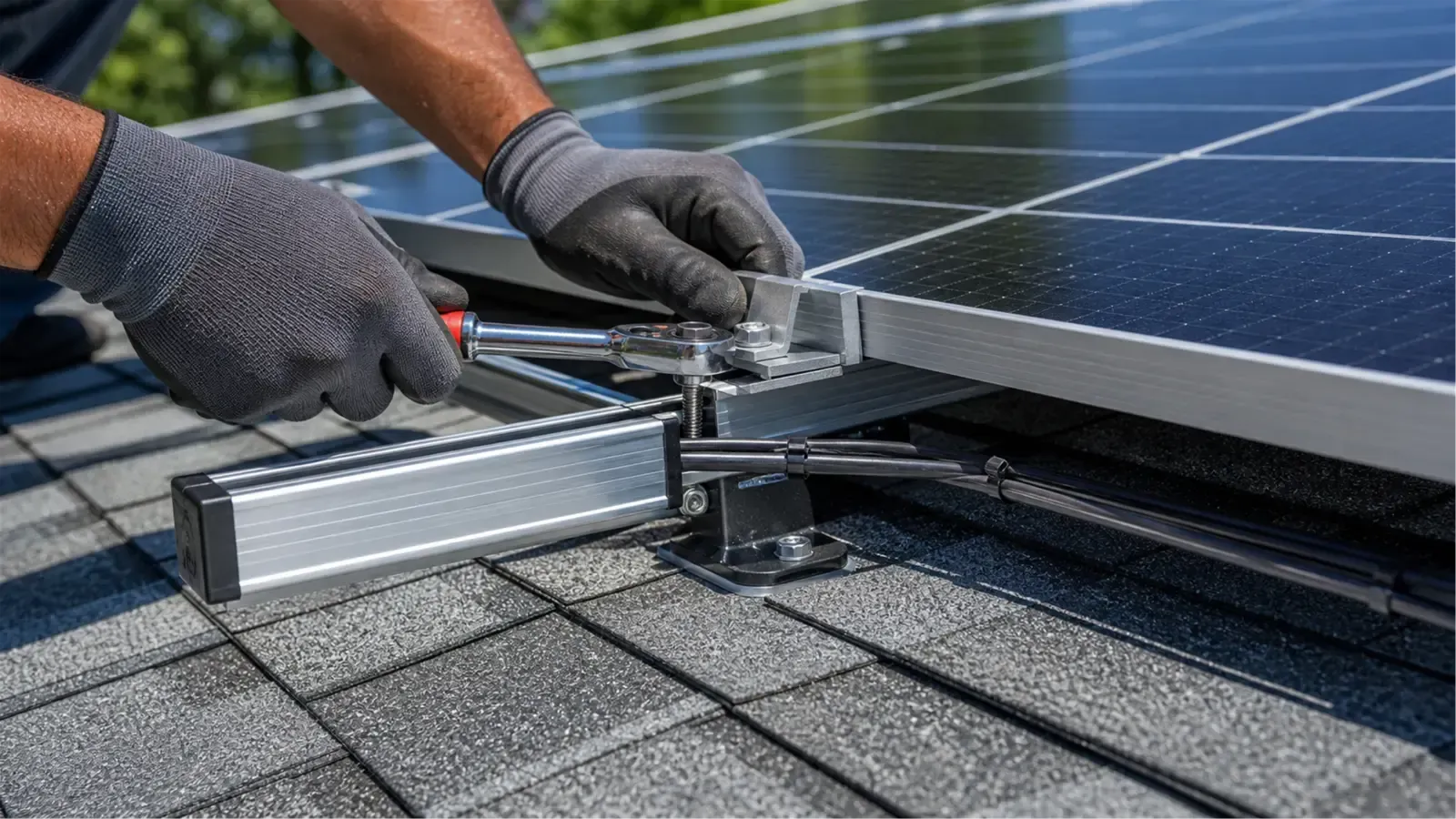
Racking, clamps, and accessible attachment points may be reviewed for movement, corrosion, loose components, or signs of damage.
Wiring and Electrical Connections
Accessible wiring and connections are inspected for visible deterioration, loose components, animal damage, and other potential electrical concerns.
Inverter and Related Equipment
The technician reviews inverter operation, indicator lights, error codes, and available production information. Microinverters or optimizers may also be evaluated when system data indicates a problem.
Solar Monitoring System
Monitoring functionality and available production data can be checked for missing information, communication failures, or patterns suggesting underperformance.
Roof Penetrations and Surrounding Areas
Accessible areas around mounting attachments may be checked for visible signs of deterioration, movement, or water intrusion.
Overall System Performance
The technician may compare available system data and equipment status to determine whether further diagnostics, maintenance, or repairs are recommended.
Modern Energy Solutions lists panels, inverters, wiring, mounting structures, monitoring systems, and roof penetrations among the components covered by its professional inspection service.
Modern Energy Solutions inspection services
Can Homeowners Inspect Their Own Solar Panels?
Property owners can perform basic observations without accessing the roof or opening electrical equipment.
Between professional inspections, you can:
- Review the monitoring platform regularly
- Look for unexpected changes in energy production
- Check the inverter for visible alerts
- Observe the panels safely from the ground
- Watch for debris or animal activity
- Note roof leaks or water stains inside the property
- Keep records of error codes and production changes
These checks can help you recognize when professional service may be needed. They are not a replacement for a rooftop and electrical inspection by a qualified technician.
Do not climb onto the roof, walk on solar panels, disconnect wiring, remove equipment covers, or attempt electrical repairs yourself.
When Is the Best Time to Inspect Solar Panels in Utah?
A solar inspection can be scheduled at any point during the year when a problem is suspected. For routine inspections, many Utah property owners choose spring or fall, when the appointment can help evaluate the system before or after more demanding seasonal conditions.
Utah solar systems may be exposed to:
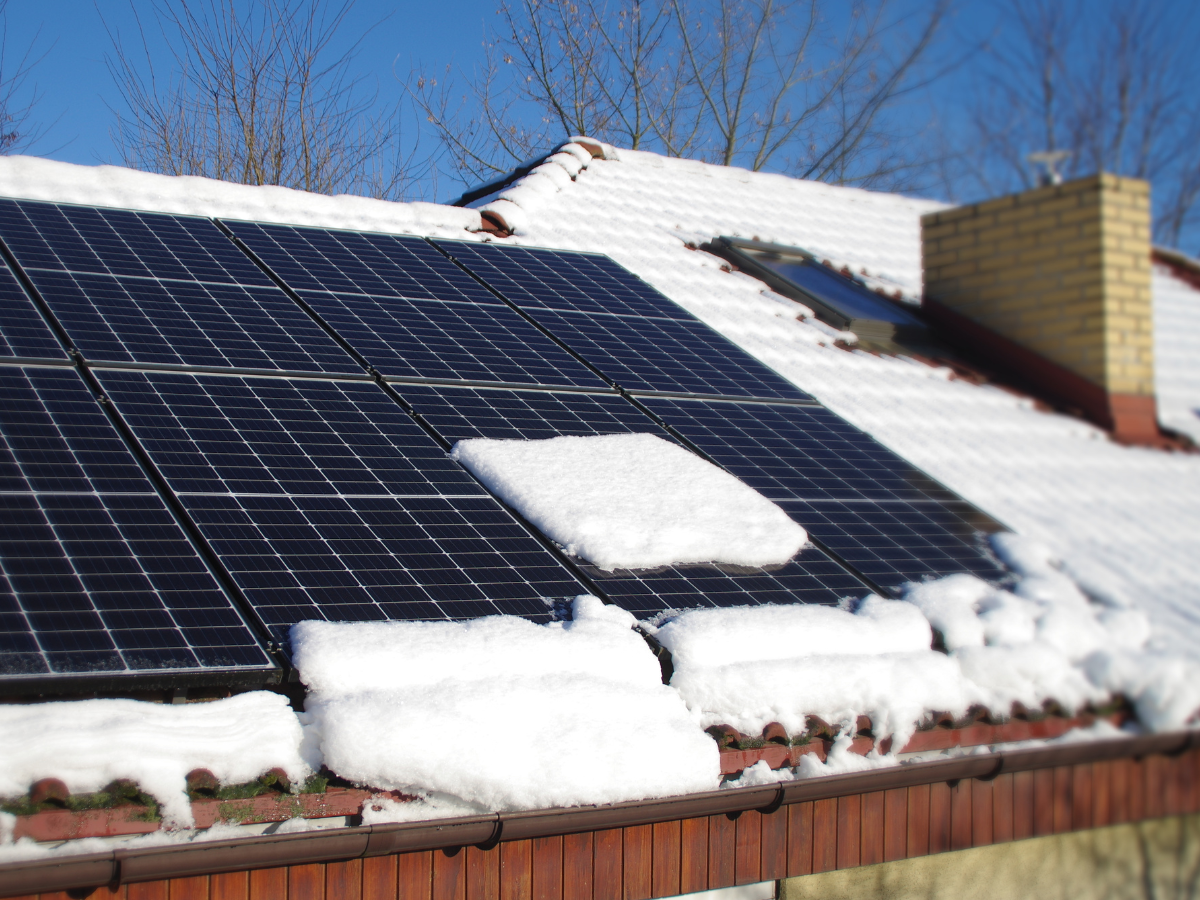
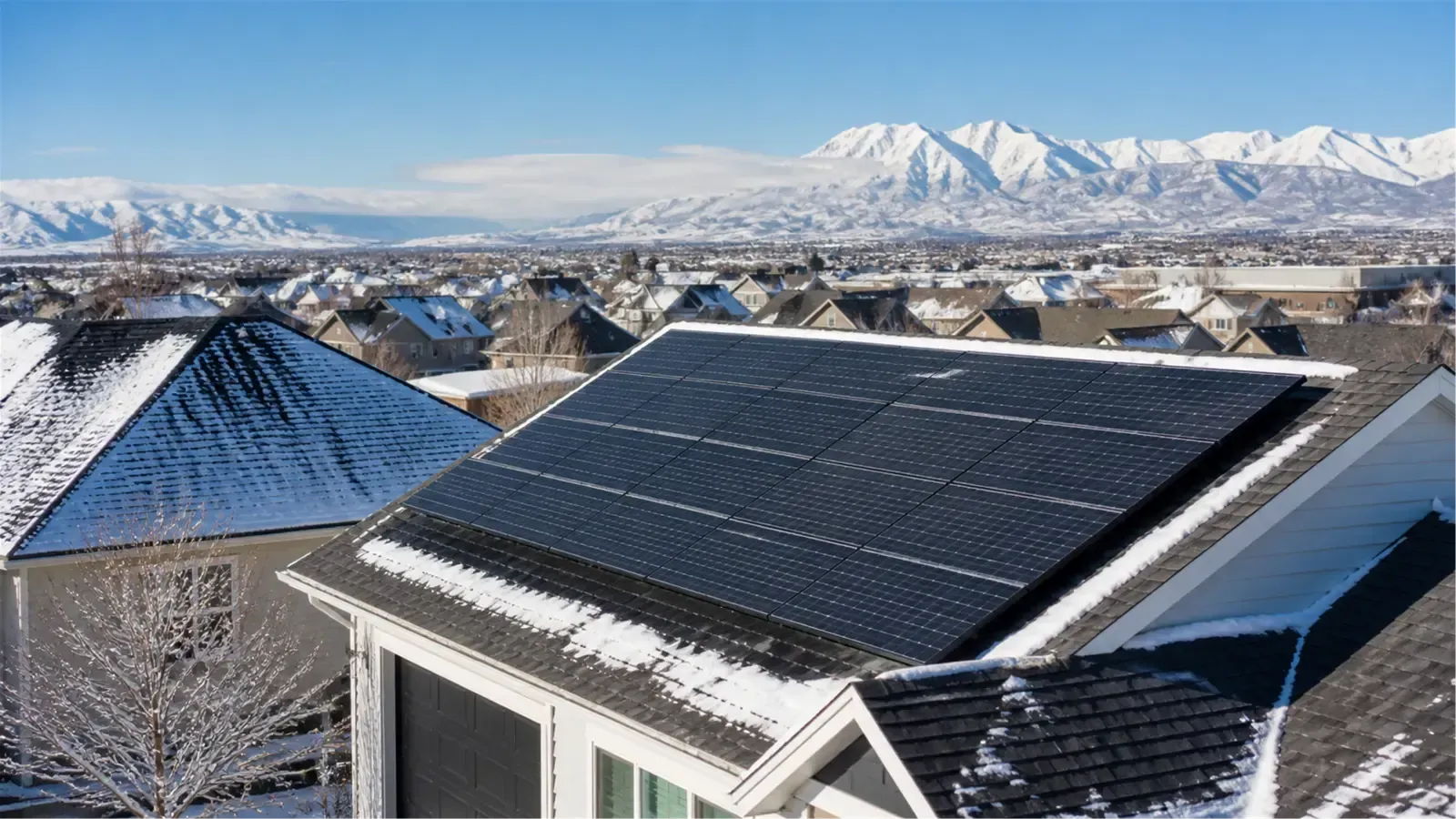
- Seasonal snow and ice
- Strong wind
- Dust and airborne debris
- Intense summer sunlight
- Temperature fluctuations
- Bird and animal activity
The best timing ultimately depends on the property and system. If an error, performance decline, or visible problem appears, it is better to request an evaluation instead of waiting for a preferred season.
When an Inspection Leads to Maintenance or Repair
An inspection does not automatically mean that repairs will be necessary. In some cases, the system may only need cleaning, monitoring assistance, debris removal, or continued observation.
If a problem is found, the recommended next step may involve:
- Solar panel cleaning
- Wiring or connection service
- Inverter troubleshooting or replacement
- Monitoring system troubleshooting
- Panel or module replacement
- Mounting hardware service
- Critter guard installation
- Solar panel removal and reinstallation for roof work
The inspection helps define the issue so the property owner can make an informed decision about
maintenance or
repair.
Frequently Asked Questions About Solar Inspections
Do Solar Panels Need to Be Inspected Every Year?
Annual professional inspections are a sensible guideline for many systems, and Modern Energy Solutions offers annual system inspections. The appropriate schedule may vary based on the equipment, system age, environmental exposure, warranty requirements, and performance history.
Should Solar Panels Be Inspected After a Storm?
Consider an inspection after hail, severe wind, falling debris, or another event that may have affected the roof or solar equipment. Schedule service sooner if you notice damage, error messages, or reduced production.
Does a Solar Inspection Include Cleaning?
Inspection and cleaning are different services. Cleaning may be recommended if dust, dirt, droppings, or debris is affecting the panels. Confirm what is included when scheduling your appointment.
How Long Does a Solar Panel Inspection Take?
Inspection time varies according to the system size, roof access, equipment configuration, and concerns being investigated. Modern Energy Solutions can provide more specific scheduling information after learning about your system.
Can You Inspect a System Installed by Another Company?
Yes. Modern Energy Solutions provides inspections and system diagnostics for existing solar systems, including equipment installed by another provider.
What Information Should I Provide Before the Appointment?
If available, provide the system address, installation date, equipment brand, inverter error codes, monitoring screenshots, production history, and a description of the problem.
Schedule a Solar Panel Inspection in Utah
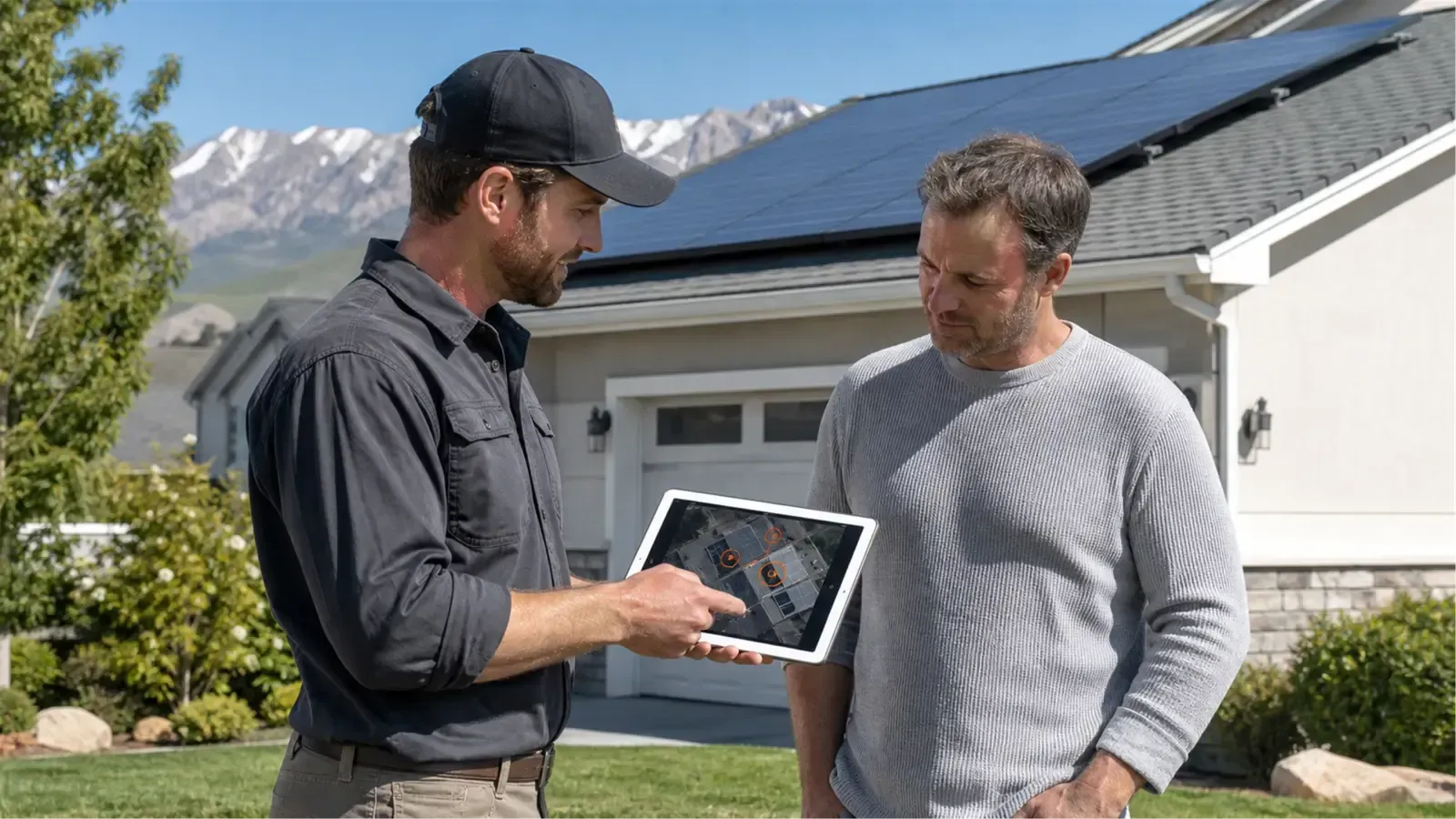
If your solar system has not been evaluated recently, or if you have noticed production loss, inverter errors, visible damage, or monitoring problems, Modern Energy Solutions can inspect the system and explain the findings.
We provide solar panel inspections and system diagnostics in:
- Lehi
- American Fork
- Saratoga Springs
- Lindon
- Orem
- Provo
- Pleasant Grove
- Sandy
- Draper
- Riverton
Call Modern Energy Solutions at
(801) 941-7541 or submit the online contact form to request an inspection.
Recent Posts