How Utah Weather Can Affect Solar Panel Performance
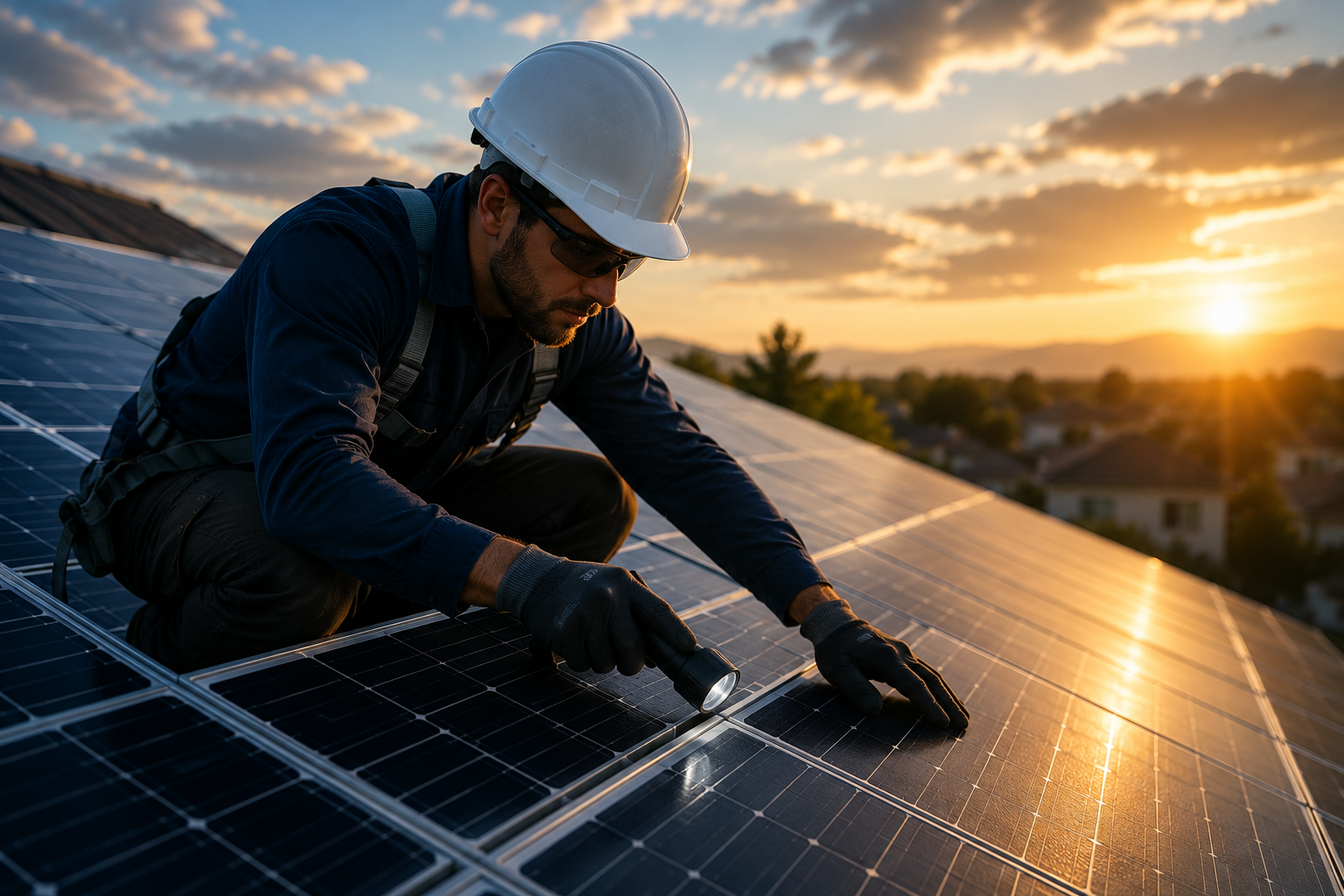
Utah offers abundant sunshine, but solar panel production is not identical every day or season. Available sunlight, daylight hours, cloud cover, panel temperature, snow, dust, wind, shading, and other environmental conditions can all influence how much electricity a solar system generates.
Some production changes are normal. Shorter winter days, cloudy weather, or temporary snow cover can reduce output without indicating an equipment problem. However, persistent production loss, inverter errors, damaged panels, loose wiring, or mounting concerns may require professional attention.
Understanding how Utah weather affects solar panels can help you recognize normal seasonal patterns and identify signs that your system may need maintenance, inspection, or repair.
How Sunlight Affects Solar Energy Production
Solar panels generate electricity from sunlight rather than heat. In general, stronger and longer-lasting sunlight gives a properly operating system more opportunity to produce energy.
Production can vary throughout the day because of:
- Sun angle
- Cloud cover
- Seasonal daylight hours
- Roof orientation
- Panel tilt
- Nearby shading
- Dust or debris on the panel surface
- System design and equipment condition
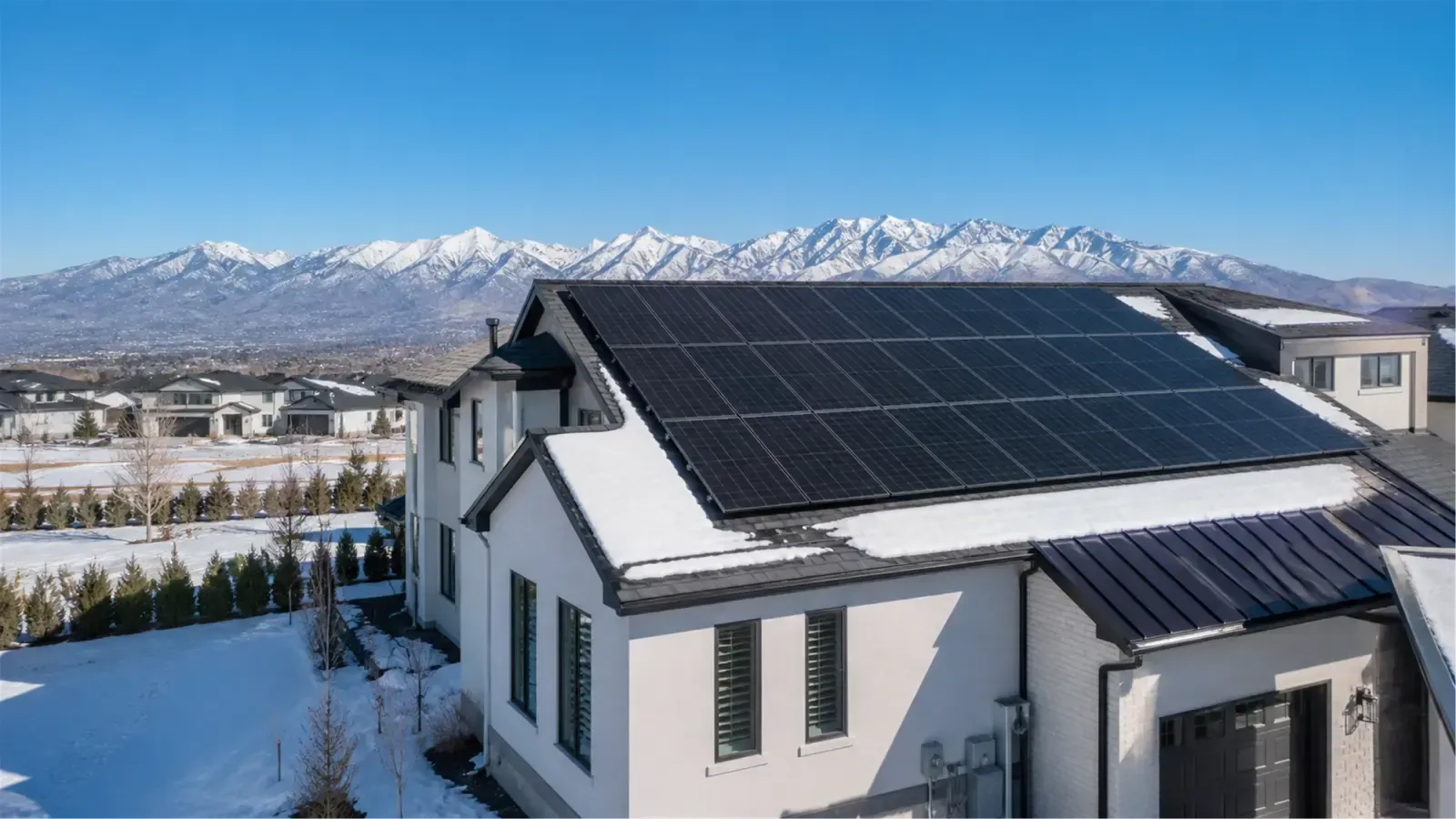
Summer usually provides longer daylight hours, while winter brings shorter days and a lower sun angle. This means a system’s daily winter production may be lower than its summer production even when the equipment is operating normally.
The
U.S. Energy Information Administration notes that available sunlight varies according to location, season, time of day, and weather conditions.
Do Solar Panels Work on Cloudy Days?
Solar panels can continue generating electricity when the sky is cloudy, but production is generally lower because less solar radiation reaches the panels.
The effect depends on:
- Cloud thickness
- Duration of cloud cover
- Time of day
- Season
- System orientation
- Local shading
A brief drop during a passing storm is not usually a concern. Production should rise again when sunlight improves. If output remains unusually low after conditions return to normal, review the monitoring platform for error messages or equipment that has stopped reporting.
How Summer Heat Affects Solar Panels
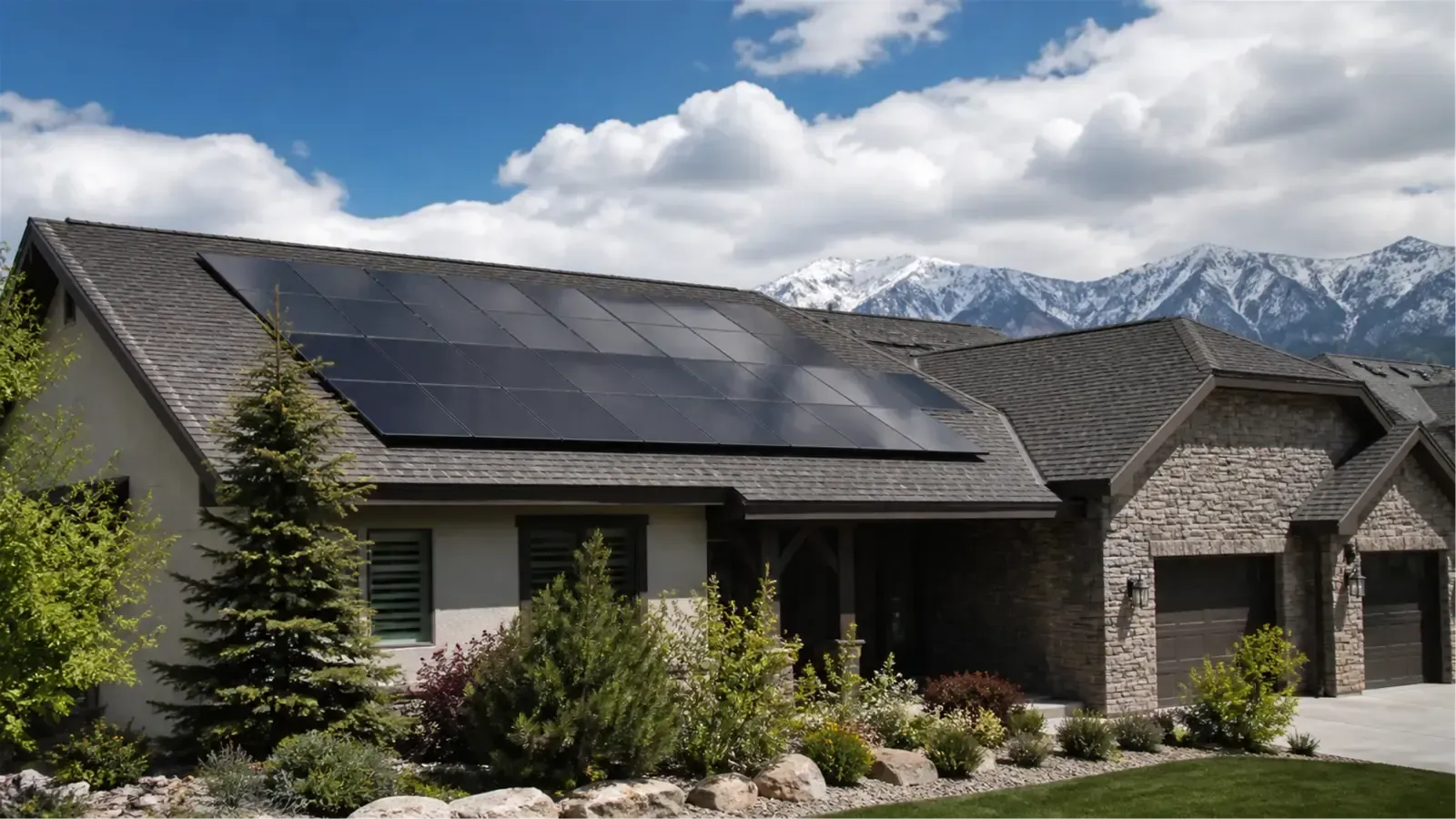
Bright summer days can produce substantial solar energy because of the longer daylight period. However, high panel temperatures can reduce the immediate efficiency of photovoltaic modules compared with their output under the same sunlight at a cooler operating temperature.
This does not mean solar panels stop working in hot weather. They continue producing electricity, but module temperature is one of the factors that influences output.
The extent of the temperature effect depends on:
- Panel model and temperature coefficient
- Air temperature
- Roof temperature
- Airflow beneath the panels
- Sun intensity
- System design
- Equipment condition
Panel specifications typically include a temperature coefficient explaining how power output changes as the module temperature rises above standard test conditions.
A warm summer afternoon may produce slightly less power than expected from sunlight alone, while the longer summer day can still result in strong total daily production.
Can Cold Weather Improve Solar Panel Performance?
Solar panels do not require warm weather to generate electricity. On a clear, cold day, lower module temperatures can support efficient operation as long as sufficient sunlight reaches the panel surface.
Winter production may still be lower overall because of:
- Shorter daylight hours
- Lower sun angle
- Increased cloud cover
- Snow covering the panels
- Seasonal shading from trees or nearby structures
Cold temperature alone is not necessarily harmful to normal solar production. The more important question is whether sunlight can reach the panels and whether the system is operating properly.
How Snow Affects Solar Panel Production
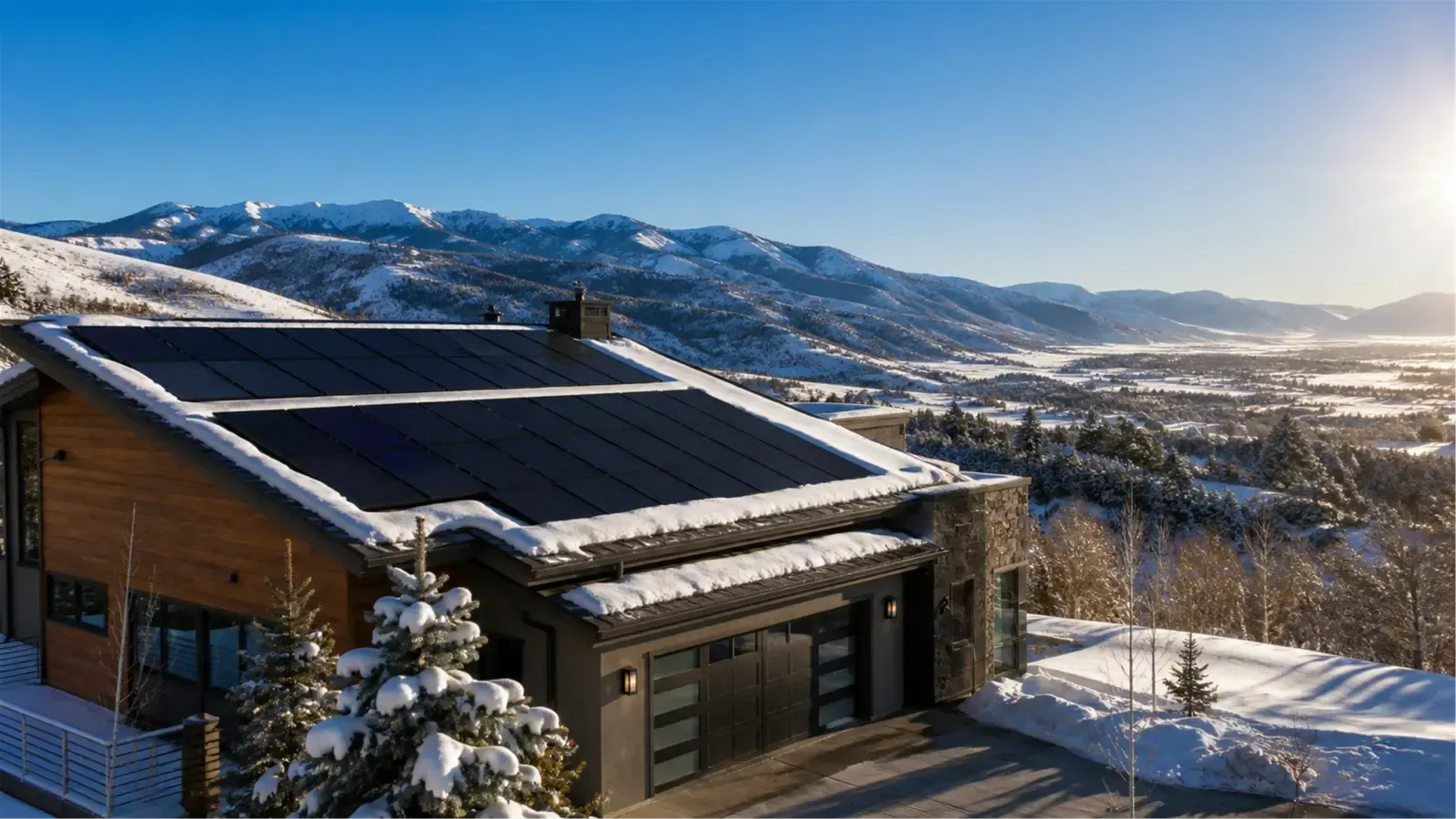
A light dusting of snow may have a limited effect if portions of the panels remain exposed. Heavier or persistent snow cover can substantially reduce production by preventing sunlight from reaching the solar cells.
Snow-related production depends on:
- Depth and density of the snow
- Portion of each panel covered
- Panel angle
- Roof orientation
- Outdoor temperature
- Sunlight following the storm
- Whether snow can slide safely from the array
Production may increase as the snow melts or slides away. Uneven coverage can also cause some panels to resume producing before others.
Should You Remove Snow From Solar Panels?
Homeowners generally should not climb onto a snowy or icy roof to clear panels. Doing so creates fall, electrical, roof-damage, and panel-damage risks.
Avoid using:
- Metal tools
- Hard-edged scrapers
- Pressure washers
- Boiling or very hot water
- Abrasive brushes
- Chemicals not approved by the equipment manufacturer
If snow remains in place, blocks production for an extended period, or creates a property concern, contact a qualified solar professional to discuss safe options.
Watch Where Snow Leaves the Roof
Solar panels can create broad, smooth surfaces from which accumulated snow may slide. Be aware of walkways, entrances, vehicles, landscaping, and equipment beneath the roof edge.
A solar or roofing professional can evaluate the property if sliding snow creates an ongoing concern.
How Dust and Dirt Affect Solar Panels
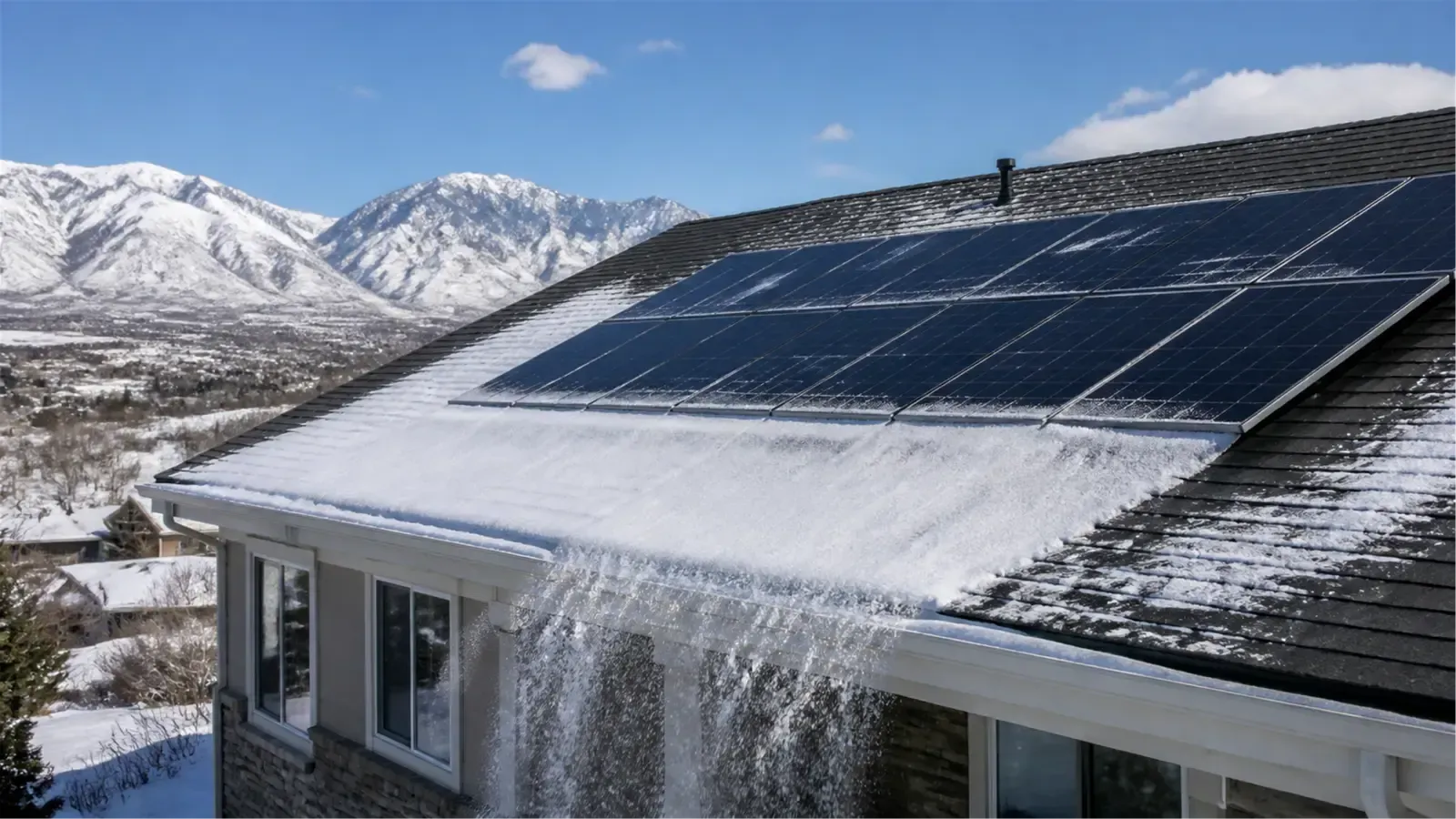
Utah’s dry periods, construction activity, wind, pollen, smoke, and airborne dust can leave material on panel surfaces. This buildup—often called soiling—reduces the amount of sunlight reaching the solar cells.
Common sources include:
Dust and fine soil
Pollen
Bird droppings
Leaves and plant material
Construction debris
Smoke-related particles
Dirt carried by wind
NREL research describes photovoltaic soiling as the accumulation of dust or other airborne particles that can reduce module performance. National Renewable Energy Laboratory
A thin, even layer may cause gradual production loss, while heavy or localized buildup can affect individual panels more noticeably.
Does Rain Clean Solar Panels?
Rain may wash away some loose dust, but it does not always remove adhered dirt, oily residue, pollen, bird droppings, or debris trapped around panel edges.
Rain can also leave mineral deposits after the water dries. Therefore, rainfall should not be treated as a complete substitute for
panel evaluation and appropriate cleaning.
How Wind Affects Solar Panel Systems
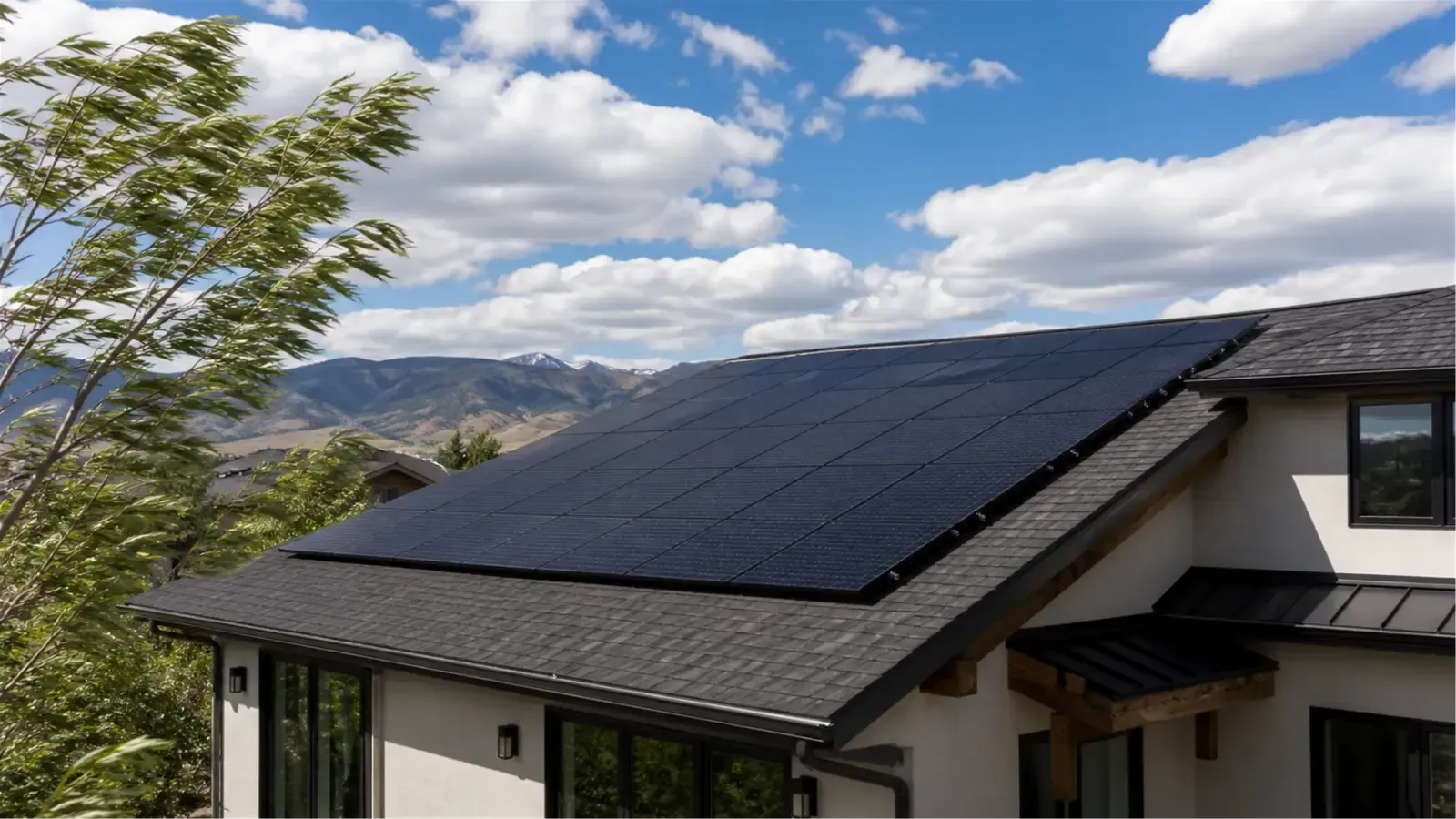
Moderate airflow can help reduce panel temperature, but strong wind and gusts can place stress on rooftop equipment.
Potential wind-related concerns include:
- Loose or displaced mounting components
- Windblown branches and debris
- Damage to exposed wiring
- Debris trapped beneath or around panels
- Movement of already compromised equipment
- Increased dust accumulation
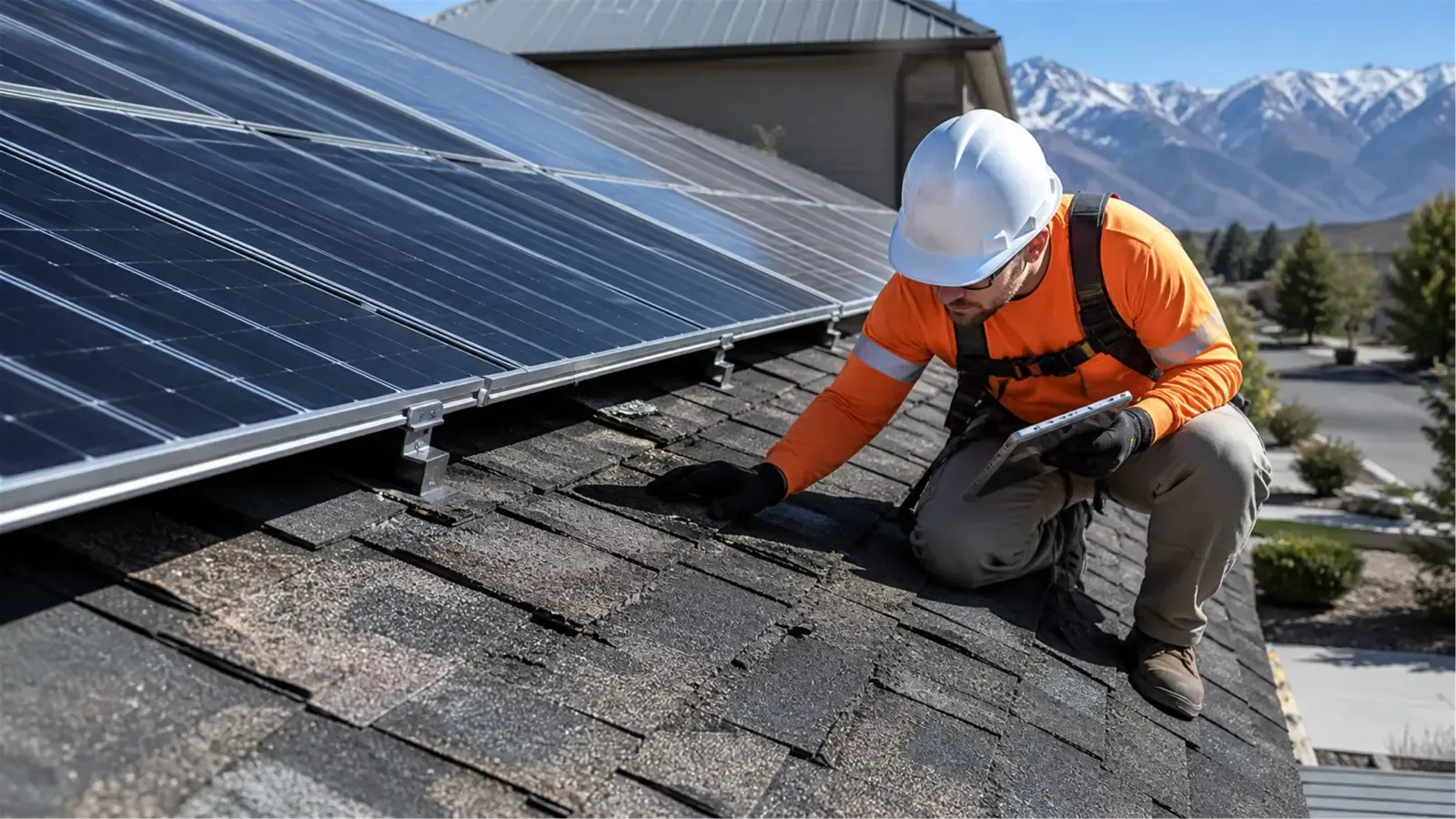
Solar mounting systems are designed according to specific structural and installation requirements. After severe winds, look safely from the ground for panels that appear shifted, lifted, misaligned, or damaged.
Do not climb onto the roof or touch loose equipment. Schedule an inspection if something appears out of position or if production changes after a wind event.
Do Temperature Swings Damage Solar Panels?
Utah properties can experience warm daytime conditions followed by substantially cooler nights, particularly during spring and fall. Solar equipment is manufactured for outdoor temperature changes, but repeated heating and cooling can contribute to normal material expansion, contraction, and long-term wear.
Over time, environmental exposure may affect:
- Wiring and connectors
- Sealants
- Mounting hardware
- Conduit
- Junction boxes
- Roof penetrations
- Inverter components
A temperature change does not automatically indicate damage. However, routine inspections can help identify deteriorated or loose components before they develop into larger problems.
Can Hail and Severe Storms Damage Solar Panels?
Solar panels are designed for outdoor exposure, but severe hail, falling branches, and windblown debris can still cause damage.
Possible signs of storm-related trouble include:
- Cracked panel glass
- Bent frames
- Displaced panels
- Damaged wiring
- Inverter faults
- Missing production from one or more panels
- Water intrusion near the installation
- Sudden production loss after the storm
Damage is not always easy to see from the ground. If a significant storm affects your property and solar production changes afterward,
schedule an inspection rather than accessing the roof yourself.
How Seasonal Shading Changes Solar Production
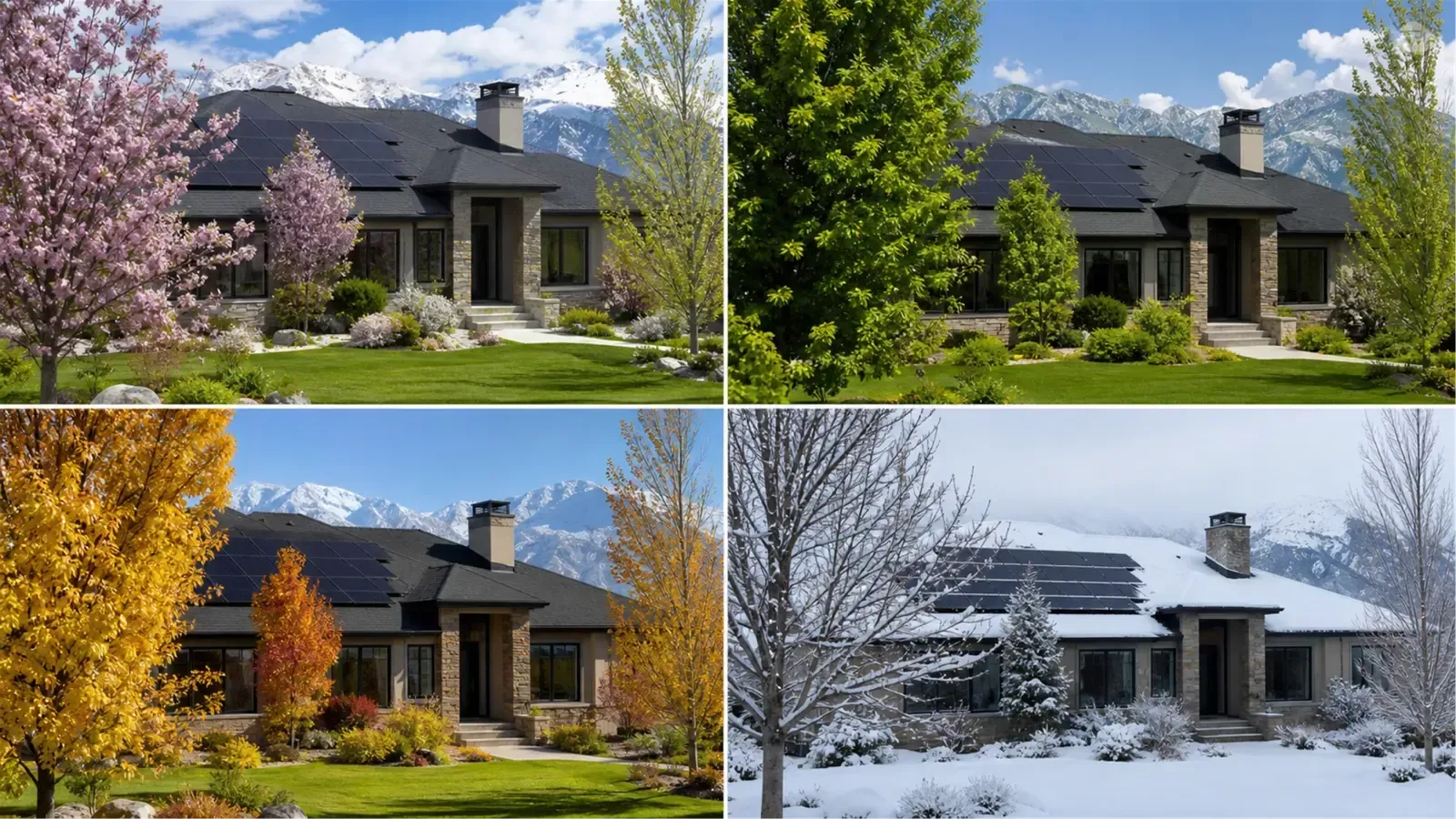
The path of the sun changes throughout the year. Trees, nearby buildings, chimneys, roof features, and other obstructions may cast shadows at different times depending on the season.
Shading can also change because of:
- Tree growth
- New construction
- Roof modifications
- Satellite-dish installation
- New heating or cooling equipment
- Accumulated snow
- Leaves or debris
The
U.S. Department of Energy consumer guide identifies trees, chimneys, nearby buildings, utility lines, and rooftop equipment as common sources of solar panel shading. xIf a production decline follows a repeated daily pattern, shading may be one possible cause.
Normal Weather Variation or a Solar System Problem?
Not every production decline means the system needs repair. Start by considering whether the change corresponds with current weather or the season.
Production Changes That May Be Normal
- Lower output on cloudy days
- Reduced winter production
- Temporary loss while panels are covered by snow
- Daily changes caused by passing clouds
- Gradual seasonal changes in the monitoring graph
- Lower output during periods of shade
Signs That May Require Professional Attention
- Production remains low after the weather improves
- One panel or section stops reporting
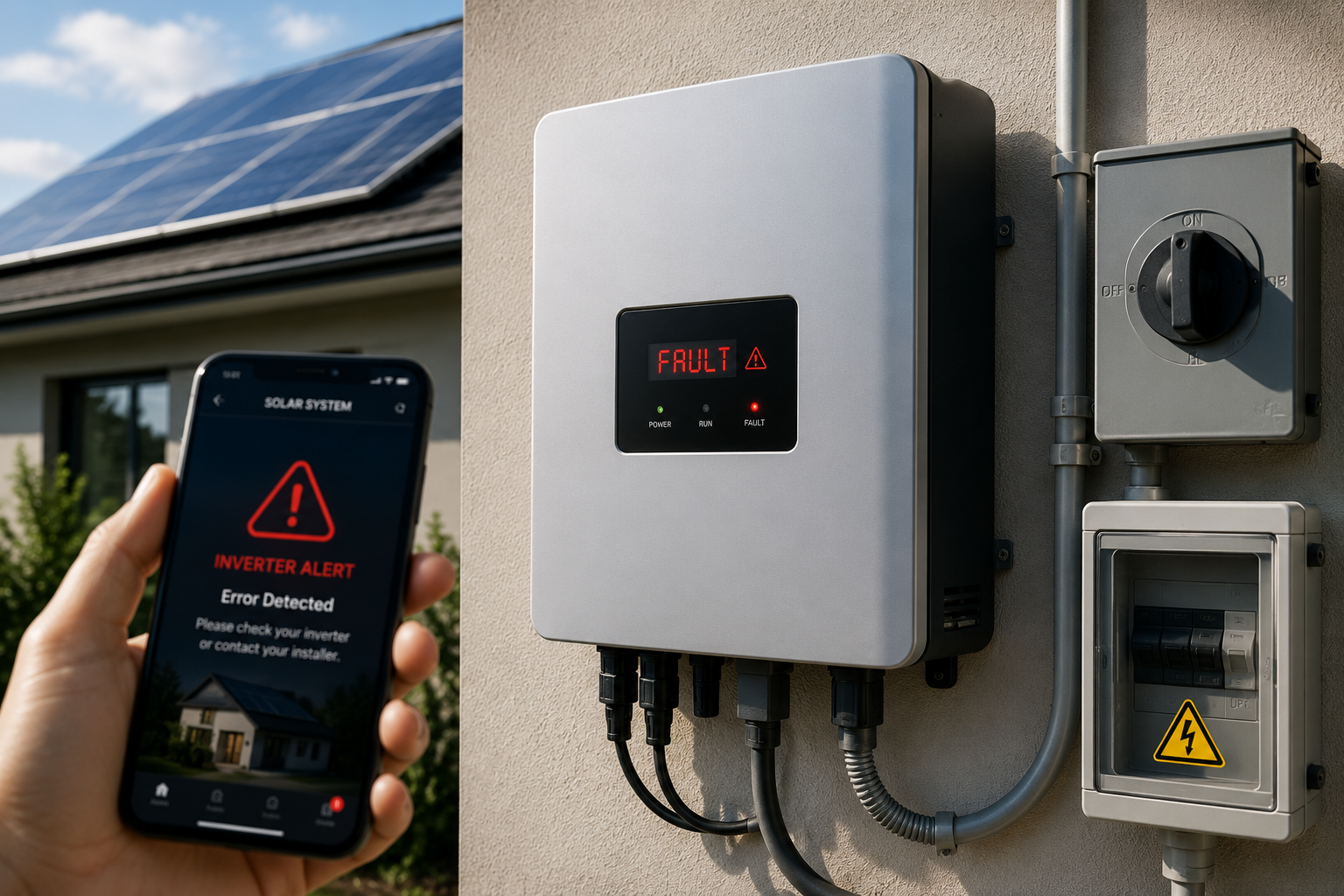
- The inverter shows an error or warning
- The system repeatedly shuts down
- Monitoring data disappears for an extended period
- Panels appear cracked, loose, or displaced
- Wiring appears damaged
- Roof leaks develop near mounting points
- A sudden decline follows severe weather
Compare current production with similar weather and seasonal conditions when possible.
Professional diagnostics may be appropriate if the difference is substantial, persistent, or accompanied by equipment warnings.
How to Monitor Solar Performance Throughout the Year
Regular monitoring can make it easier to recognize unusual patterns.
Homeowners can:
- Review production data periodically
- Compare similar months from different years
- Save screenshots of unusual changes
- Record inverter errors
- Note recent storms or heavy snow
- Observe panels safely from the ground
- Watch for new shading
- Keep maintenance and repair records
Monitoring data can identify changes, but it may not reveal the physical cause. If the system reports a fault or sustained underperformance, a professional inspection can evaluate the panels and supporting equipment.
Seasonal Solar Maintenance Tips for Utah
Spring
After winter, look for storm damage, debris, displaced equipment, or production that has not returned to its expected seasonal pattern.
Summer
Monitor for dust accumulation, inverter warnings, and unexpected production loss during clear weather. Do not assume every midday dip indicates failure because panel temperature can influence output.
Fall
Check for leaves, changing shade patterns, animal activity, and debris before winter weather arrives.
Winter
Expect shorter production days and occasional losses from snow cover. Avoid climbing onto icy roofs or using unsafe tools to clear panels.
Professional maintenance needs depend on the property, equipment, surrounding environment, and system condition.
Frequently Asked Questions
Do Solar Panels Work in Utah During Winter?
Yes. Solar panels can generate electricity during winter when sunlight reaches them. Shorter days, cloud cover, low sun angles, shading, and snow accumulation can reduce total production.
Do Solar Panels Produce More in Hot Weather?
Not necessarily. Longer summer days can increase daily energy production, but high panel temperatures can reduce immediate efficiency compared with cooler conditions under the same sunlight.
Will Snow Damage Solar Panels?
Normal snowfall does not automatically damage a properly installed system. Severe accumulation, ice movement, falling debris, or existing equipment problems may create concerns. Schedule an inspection if panels appear damaged or production does not recover after the snow clears.
How Do I Know If My Panels Need Cleaning?
Visible dirt, bird droppings, debris, or a persistent production decline during otherwise comparable conditions may indicate a need for evaluation. A professional can determine whether cleaning or another service is appropriate.
Should Solar Panels Be Inspected After Severe Weather?
Consider an inspection after severe hail, strong wind, falling branches, or another event that may have affected the equipment. An inspection is especially appropriate when visible damage, inverter errors, or unexplained production loss follows the event.
Can Weather Cause an Inverter Error?
Yes. Grid interruptions, voltage changes, high equipment temperatures, and storm-related electrical issues may trigger inverter warnings. Persistent or recurring errors should be professionally diagnosed.
Protect Your Solar System Through Every Utah Season
Modern Energy Solutions provides solar inspections, system diagnostics, maintenance, panel cleaning, inverter troubleshooting, and repairs to help Utah property owners address weather-related performance concerns.
Services are available in:
- Lehi
- American Fork
- Saratoga Springs
- Lindon
- Orem
- Provo
- Pleasant Grove
- Sandy
- Draper
- Riverton
If your solar production remains low after weather conditions improve—or you notice damaged equipment, inverter errors, or monitoring problems—call Modern Energy Solutions at
(801) 941-7541 or submit the online contact form.
Recent Posts