Signs Your Solar Inverter May Need Repair
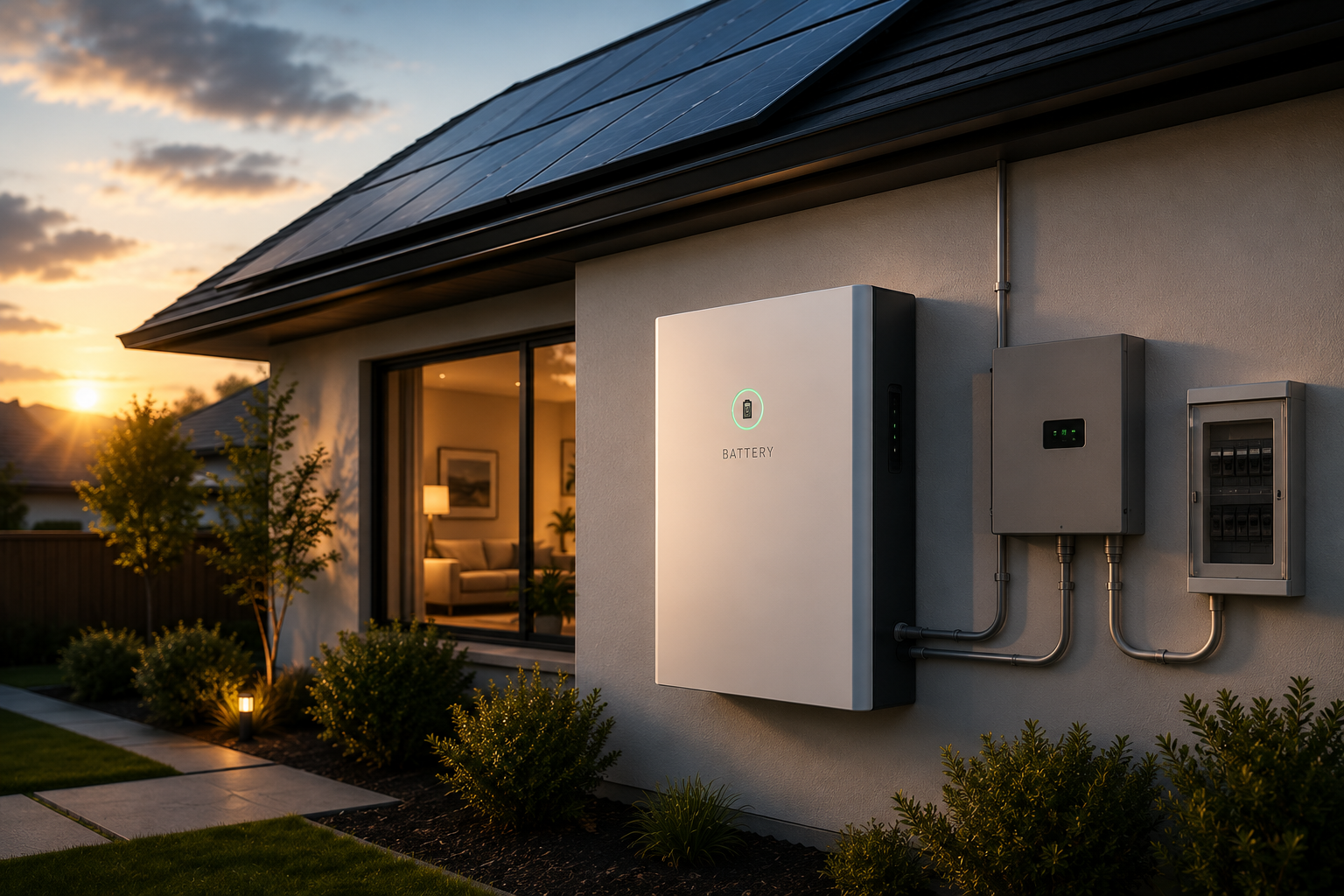
Your solar inverter is responsible for converting the direct-current electricity generated by your panels into alternating-current electricity that can be used by your property or delivered to the utility grid. If the inverter develops a problem, some or all of your solar system may stop producing usable power.
Common warning signs of inverter trouble include error messages, unusual indicator lights, repeated shutdowns, missing monitoring data, and unexplained production loss. These symptoms do not always mean the inverter must be replaced, but they should be investigated if they persist.
Recognizing the warning signs early can help limit downtime and identify whether the problem involves the inverter, system communication, electrical connections, utility service, or another solar component.
Common Signs of a Solar Inverter Problem
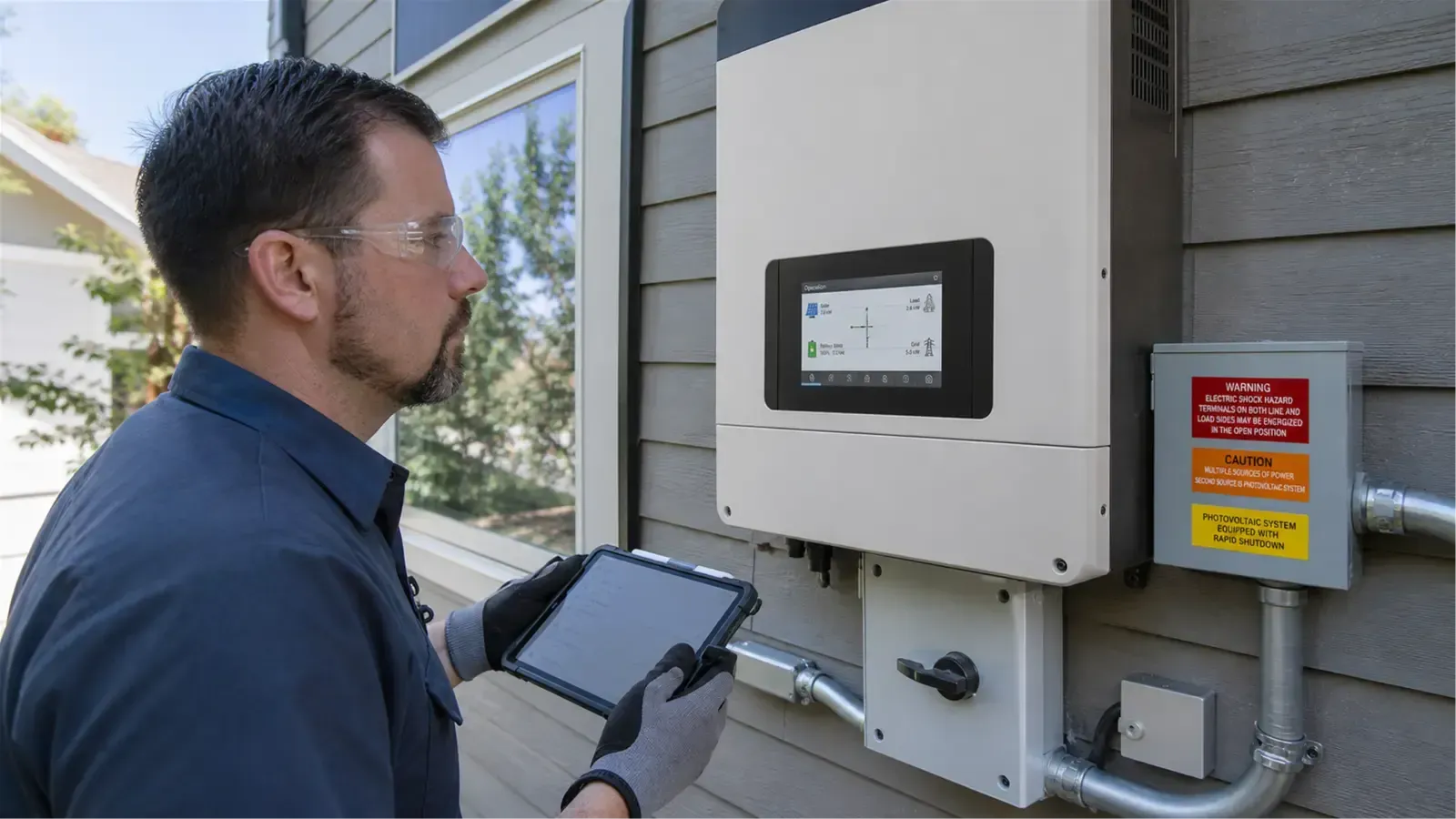
Solar inverter symptoms can vary according to the manufacturer, model, system design, and type of fault. Contact a solar professional if you notice any of the following conditions.
The Inverter Displays an Error Code
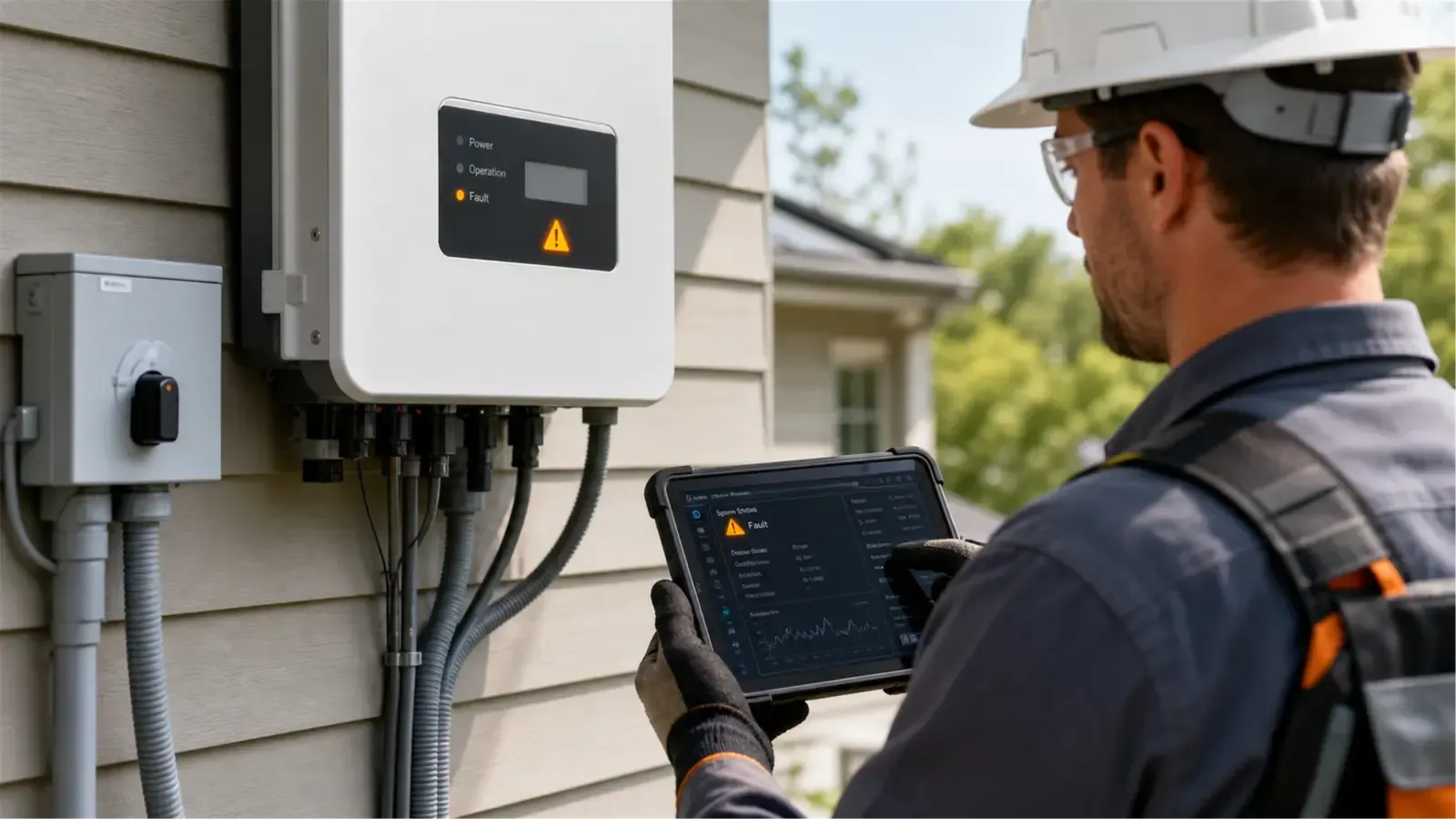
Many solar inverters use a screen, status light, mobile application, or monitoring portal to report faults. An error code may relate to the inverter itself, but it can also indicate a problem with wiring, system communication, utility-grid conditions, or another component.
Record the complete error code and when it appeared. If possible, take a photograph or screenshot to share with the technician. Avoid opening the inverter or attempting internal repairs.
Warning or Fault Lights Remain On
A red, orange, or flashing indicator may signal a fault, standby condition, or communication problem. Indicator meanings vary among inverter manufacturers, so consult the system documentation before assuming that a particular color means the equipment has failed.
Some status changes are temporary. A warning that remains active during normal daylight conditions or repeatedly returns should be professionally evaluated.
Solar Production Drops Unexpectedly
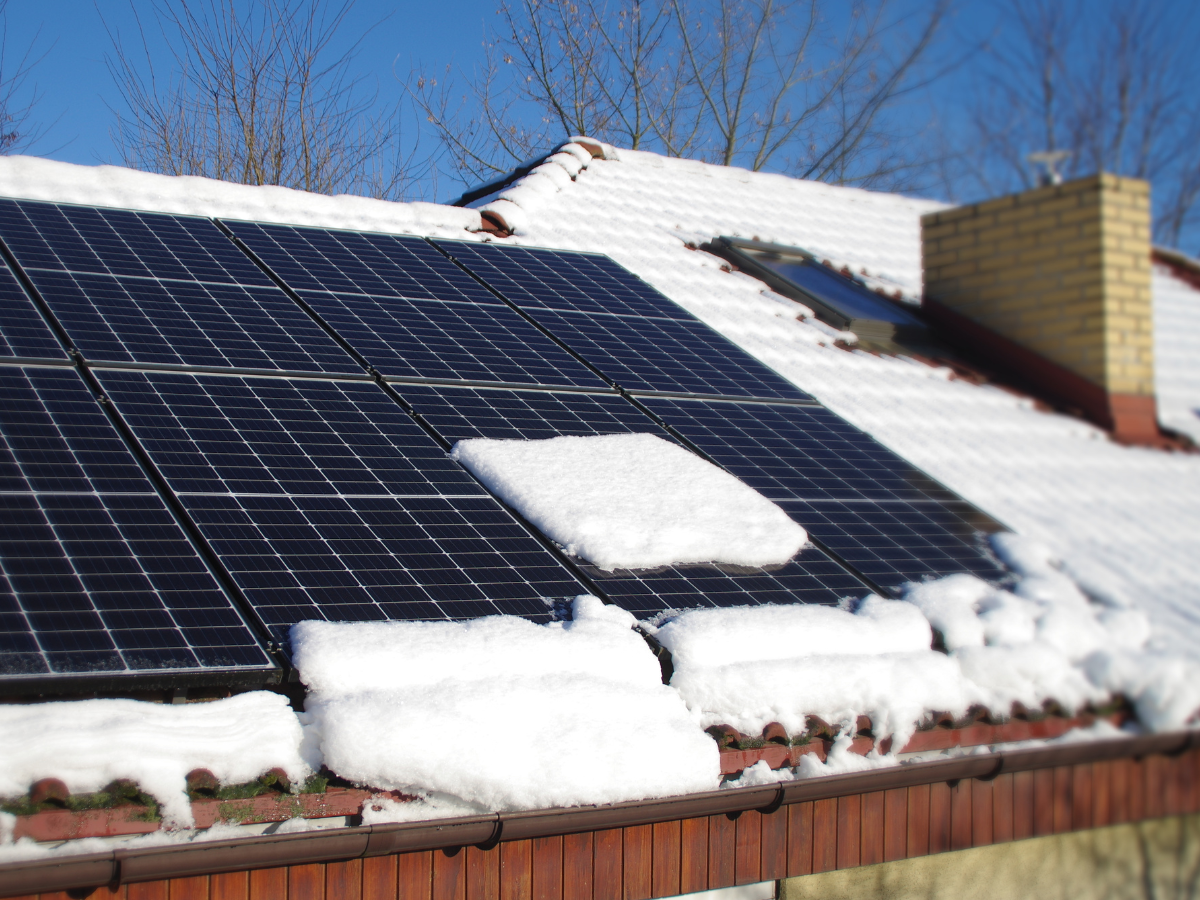
Solar energy production naturally changes with cloud cover, seasonal daylight, temperature, shading, and weather. However, a substantial or prolonged drop without an obvious explanation may indicate that the inverter or another system component is not operating correctly.
Compare the current results with similar days or the same season from previous years when that data is available. Look for a continuing pattern rather than relying on a single day.
The System Stops Producing Power
If the monitoring portal reports no production during normal daylight conditions, the inverter may have shut down or lost its electrical connection. The issue could also involve a tripped breaker, utility outage, communication failure, wiring problem, or equipment elsewhere in the system.
Because solar equipment can remain electrically energized, troubleshooting beyond basic visual observations should be left to a qualified professional.
The Inverter Repeatedly Shuts Down or Restarts
An inverter that continually cycles between operating, standby, and fault states may be responding to unstable grid conditions, voltage outside its operating range, overheating, an internal component problem, or another electrical issue.
A technician can review error history and system measurements to determine whether the inverter is protecting the system as designed or requires service.
Monitoring Data Is Missing or Out of Date
Missing data does not always mean that solar production has stopped. The inverter or gateway may have lost its internet connection while the system continues to generate electricity.
For example, SolarEdge explains that production and communication are separate functions, so a communication problem does not necessarily indicate a production failure. The company also recommends contacting the installer when a production issue is present.
If monitoring information is absent, a technician can determine whether the issue involves internet connectivity, the monitoring gateway, system communication, or actual energy production.
Individual Panels Stop Reporting
Systems with microinverters or power optimizers may show production at the panel level. If one or several panels stop reporting, the cause may involve communication, wiring, a microinverter, an optimizer, or the panel itself.
One missing panel does not automatically identify the failed component. Proper diagnostics are needed before equipment is replaced.
The Inverter Makes New or Unusual Noises
A low operational hum may be normal for some inverter models. New buzzing, clicking, grinding, or repeated cycling noises may indicate an electrical or internal equipment problem.
Do not remove covers or attempt to investigate inside the inverter. Contact a solar professional if the sound is new, persistent, or accompanied by an error or production loss.
There Is Visible Damage or a Burning Odor
Cracks, discoloration, corrosion, water exposure, smoke, or a burning smell require prompt attention. Keep away from damaged equipment and do not touch the inverter, wiring, or nearby electrical components.
If there is smoke, fire, sparking, or an immediate safety threat, move to a safe location and contact emergency services. After the situation is safe, contact a qualified solar service provider.
An Error Code Does Not Always Mean the Inverter Has Failed
Solar inverters are designed to detect abnormal conditions and may temporarily shut down to protect the system. An error can be caused by:
- A utility outage or voltage fluctuation
- A temporary grid-related condition
- Lost internet or monitoring communication
- A tripped breaker or disconnect
- Damaged or loose wiring
- A panel, optimizer, or microinverter problem
- Excessive operating temperature
- Water or animal-related damage
- An internal inverter fault
- Outdated system communication settings
According to the U.S. Department of Energy, photovoltaic monitoring platforms can report abnormal conditions, faults, and underperformance requiring attention. However, monitoring information alone may not identify the physical component responsible for the problem.
Professional diagnostics help isolate the cause before repair or replacement is recommended.
Safe Checks You Can Make Before Calling for Service
Homeowners can collect useful information without opening equipment, touching wiring, or climbing onto the roof.
Before contacting a technician, you can:
- Confirm whether the neighborhood is experiencing a utility outage
- Review the solar monitoring application
- Note when the system last reported production
- Record error codes and warning messages
- Photograph the inverter display or status lights
- Compare current production with similar recent days
- Check whether the problem began after a storm or power outage
- Locate the equipment model and serial number if safely accessible
- Gather installation and warranty documents
Only follow basic user steps included in the equipment manufacturer’s instructions. Do not open the inverter, remove electrical covers, disconnect wiring, or repeatedly reset breakers in an attempt to clear an unknown fault.
SolarEdge specifically advises system owners not to repair inverters or power optimizers themselves because handling electrical equipment requires a qualified installer or electrician, according to
SolarEdge's safety guidance.
What Happens During Solar Inverter Diagnostics?
The diagnostic process depends on the inverter type and reported symptoms. A professional evaluation may include:
Reviewing Error History
Current and previous error codes can help identify whether a fault is temporary, recurring, or related to another part of the system.
Checking Inverter Operation
The technician evaluates operating status, indicator lights, available measurements, and whether the equipment is converting power as expected.
Reviewing Monitoring Information
Production and communication data may reveal when the problem began and whether it affects the entire system or only certain panels.
Inspecting Accessible Wiring and Connections
Damaged, loose, deteriorated, or animal-affected wiring can produce symptoms that resemble inverter failure.
Evaluating Other Solar Components
Panels, optimizers, microinverters, disconnects, breakers, gateways, and utility conditions may need to be considered before the central inverter is identified as the source.
Determining the Appropriate Solution
After identifying the likely cause, the technician can recommend monitoring, reconnection, repair, component replacement, or coordination with the manufacturer or utility provider.
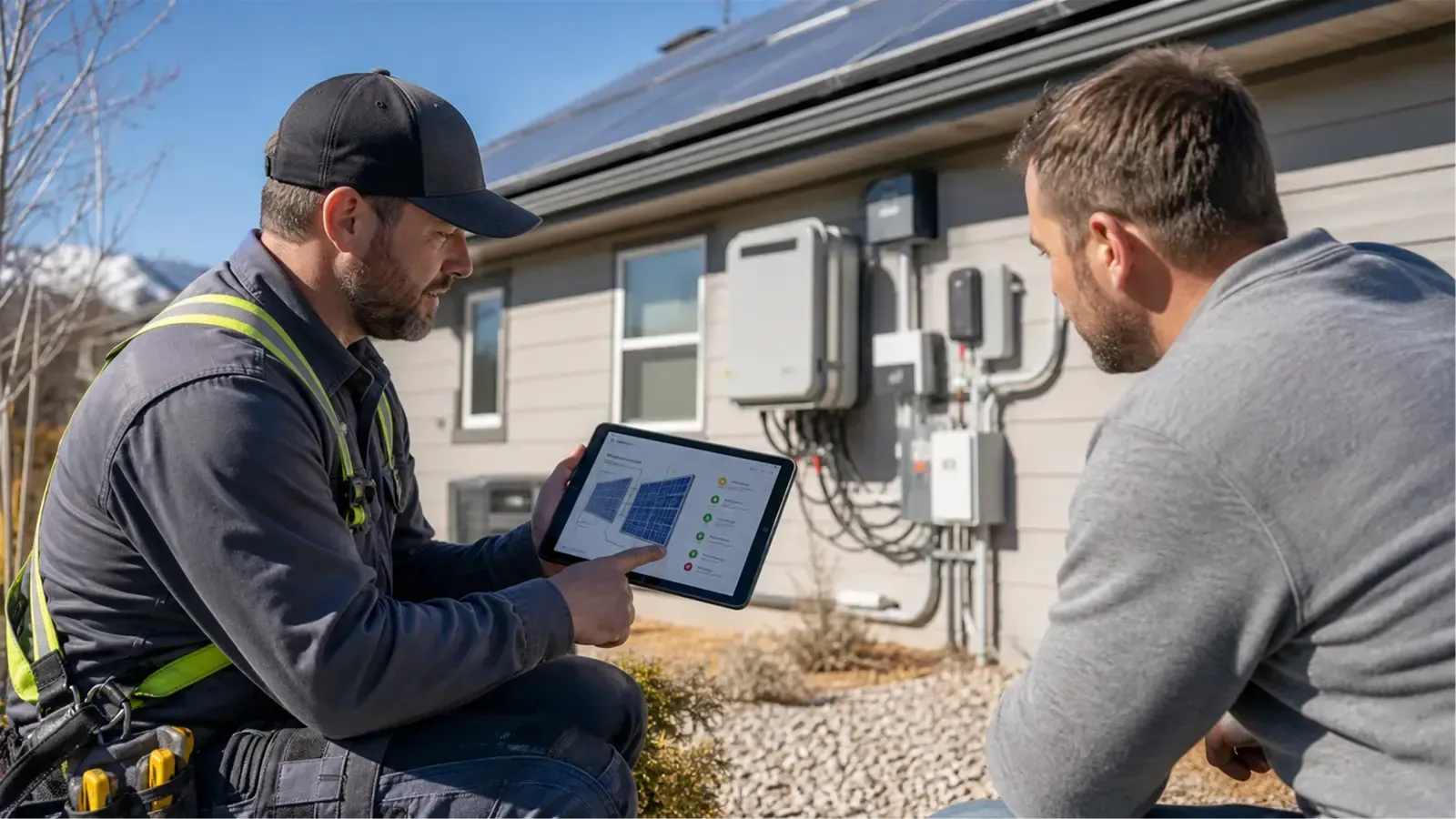
Does a Faulty Solar Inverter Need Repair or Replacement?
Not every inverter problem requires complete replacement. The appropriate solution depends on:
- The inverter’s age and condition
- The specific fault
- Equipment design
- Availability of replacement parts
- Manufacturer warranty status
- Compatibility with the existing system
- Labor and repair costs
- Whether the problem is internal or elsewhere in the system
Small residential microinverters and string inverters are often replaced when internal hardware fails, while other problems may be resolved through wiring repair, communication restoration, configuration correction, or replacement of a different component. The Department of Energy notes that inverter-related issues account for a significant portion of photovoltaic system downtime and maintenance.
A professional diagnosis should come before any decision to replace the inverter.
String Inverter and Microinverter Warning Signs
The system design can affect how inverter trouble appears.
String Inverter Problems
A string inverter typically serves multiple panels. If it shuts down, production from a large portion of the system, or the entire system, may stop.
Possible signs include:
- No system-wide production
- Error messages on the central inverter
- Repeated shutdowns
- Warning lights
- Missing system-level monitoring data
Microinverter Problems
Microinverters are installed at individual panels. If one unit fails, the remaining panels may continue producing electricity.
Possible signs include:
- One panel showing little or no production
- A panel-level communication alert
- Several panels in one area dropping offline
- Partial rather than complete production loss
Monitoring data can help narrow the issue, but physical and electrical diagnostics may still be required to identify the failed component.
Why Prompt Inverter Service Matters
A persistent inverter problem can reduce the amount of usable electricity produced by the solar system. Depending on the system design, one failed component may affect an individual panel, a group of panels, or the entire array.
Timely diagnostics can help:
- Reduce unnecessary system downtime
- Identify the actual source of the fault
- Prevent repeated shutdowns
- Restore accurate monitoring information
- Determine whether warranty support may apply
- Avoid replacing functioning equipment unnecessarily
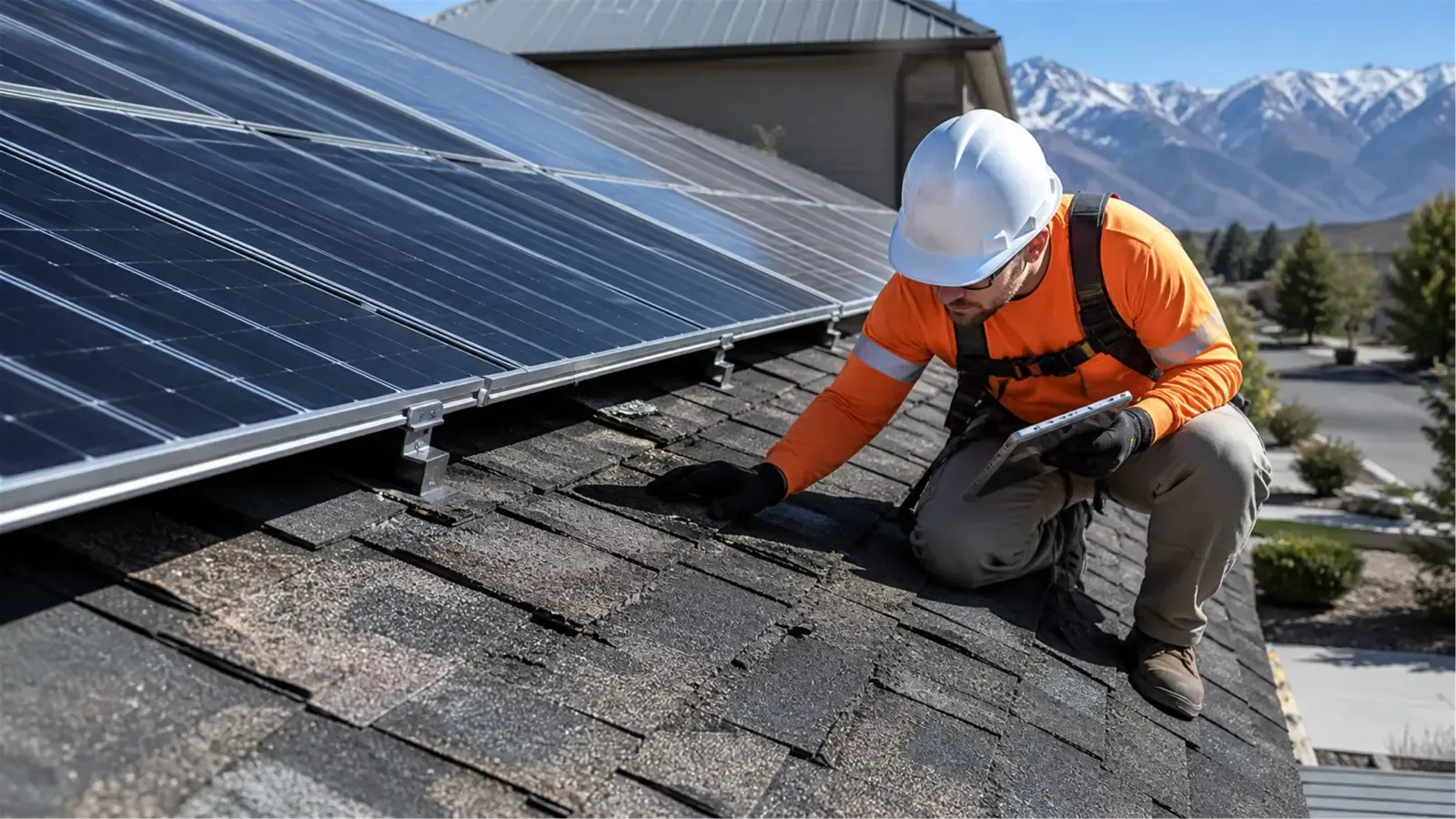
Do not assume that a monitoring error is harmless or that every inverter warning requires a new unit. Our Solar Panel Repair team can perform a professional evaluation, identify the source of the problem, and recommend an appropriate solution.
If the cause of the performance problem is unclear, schedule
Solar Panel Inspections for a broader evaluation of the panels, inverter, wiring, mounting equipment, and monitoring system.
Frequently Asked Questions About Solar Inverter Repair
How Do I Know if My Solar Inverter Is Failing?
Common signs include recurring error messages, warning lights, unexplained production loss, repeated shutdowns, unusual noises, or visible equipment damage. These symptoms can also have other causes, so professional diagnostics are recommended.
Can a Solar Inverter Be Repaired?
Some inverter and system problems can be repaired, while others require equipment replacement. The answer depends on the fault, inverter design, warranty, parts availability, and compatibility with the existing system.
Does Missing Monitoring Data Mean My Inverter Is Broken?
Not necessarily. The system may still produce electricity even if the inverter or gateway has lost its internet connection. A technician can determine whether the problem involves communication, monitoring equipment, or production.
Can I Reset My Solar Inverter?
Only follow reset instructions provided by the manufacturer for your exact equipment. Do not open electrical covers or repeatedly cycle breakers to clear an unidentified fault. Contact a professional if the error returns or the correct procedure is unclear.
How Long Does a Solar Inverter Last?
Inverter service life varies by manufacturer, model, installation conditions, system design, operating environment, and maintenance history. Age alone does not confirm failure, but it may influence whether repair or replacement is the more practical option.
Is Solar Inverter Repair Covered by a Warranty?
Coverage depends on the manufacturer, equipment registration, warranty period, failure type, and original agreement. Gather the model, serial number, installation records, and warranty documents before scheduling service when possible.
Schedule Solar Inverter Repair in Utah
If your inverter displays an error, repeatedly shuts down, stops reporting, or appears to be reducing solar production, Modern Energy Solutions can evaluate the problem and recommend the appropriate next step.
Our inverter diagnostic and solar repair services are available in:
- Lehi
- American Fork
- Saratoga Springs
- Lindon
- Orem
- Provo
- Pleasant Grove
- Sandy
- Draper
- Riverton
Call Modern Energy Solutions at
(801) 941-7541 or submit the online contact form to request solar inverter diagnostics.
Recent Posts