What to Expect During Solar Panel Removal and Reinstallation
If your roof needs replacement or major repairs, the solar panels above the affected area will usually need to be temporarily removed. Once the roofing work is complete and the roof is ready, the solar equipment can be reinstalled, reconnected, and tested.
Solar panel removal and reinstallation involves more than lifting panels from the roof and putting them back afterward. The process requires safe system deactivation, careful equipment handling, organized storage, coordination with the roofing contractor, evaluation of system components, and electrical testing after reinstallation.
Understanding the process can help you coordinate the project, avoid unnecessary delays, and protect your roof and solar investment.
Why Would Solar Panels Need to Be Removed?
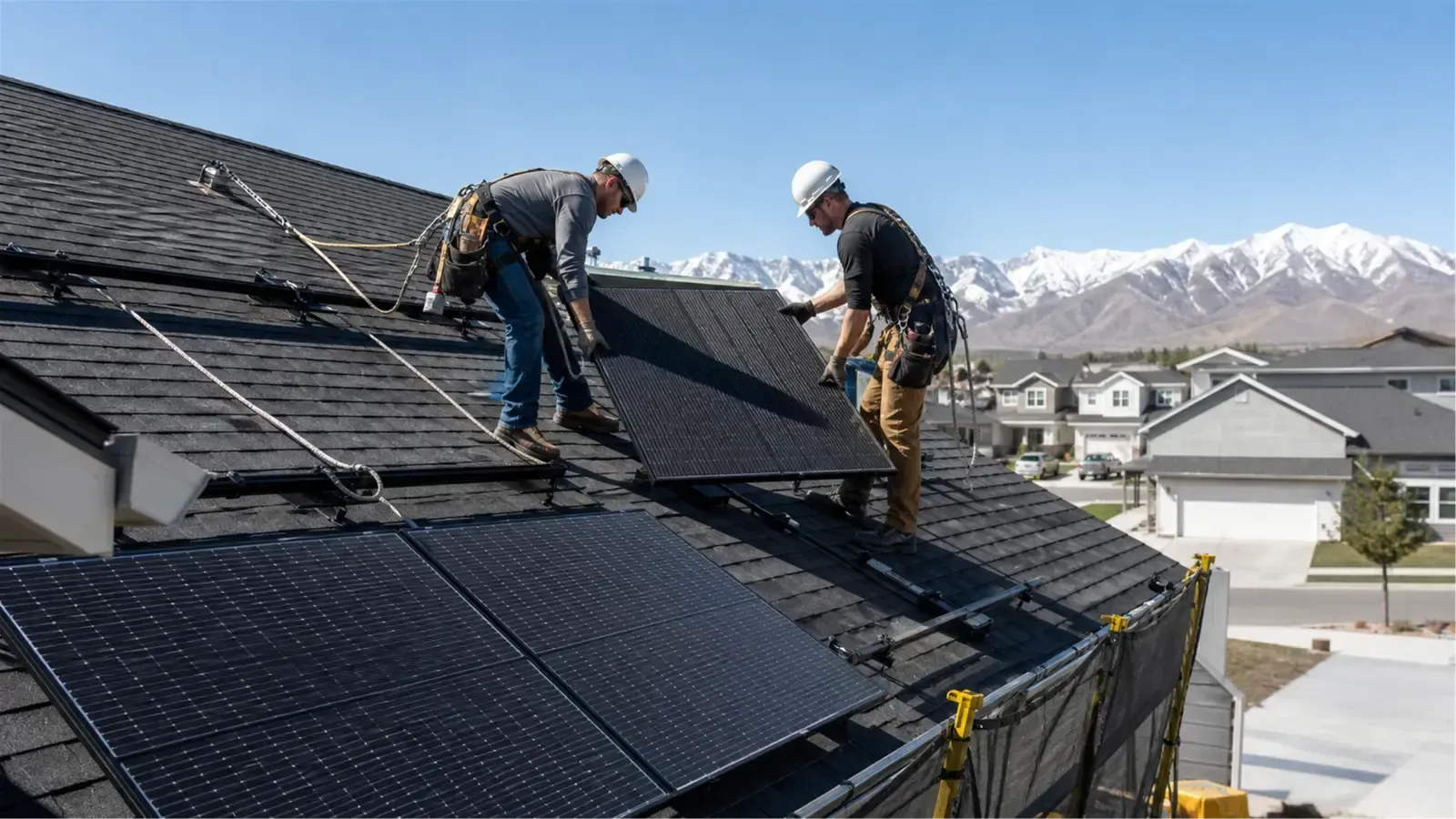
Roof replacement is the most common reason for temporary solar panel removal, but it is not the only one. Removal may be required for:
- Roof leak investigation and repairs
- Replacement of shingles or other roofing materials
- Structural roof repairs
- Storm or hail damage restoration
- Home additions or renovations
- Changes to the roofline
- Solar equipment upgrades
- Panel relocation or system redesign
- Pest remediation beneath the panels
- Access for significant tree work near the roof
A roofing contractor generally needs clear access to the roof surface to remove old materials, inspect the decking, install underlayment, and complete the new roof. Attempting to work around the solar panels can limit access and make it difficult to complete the roofing work correctly.
Who Should Remove and Reinstall Solar Panels?
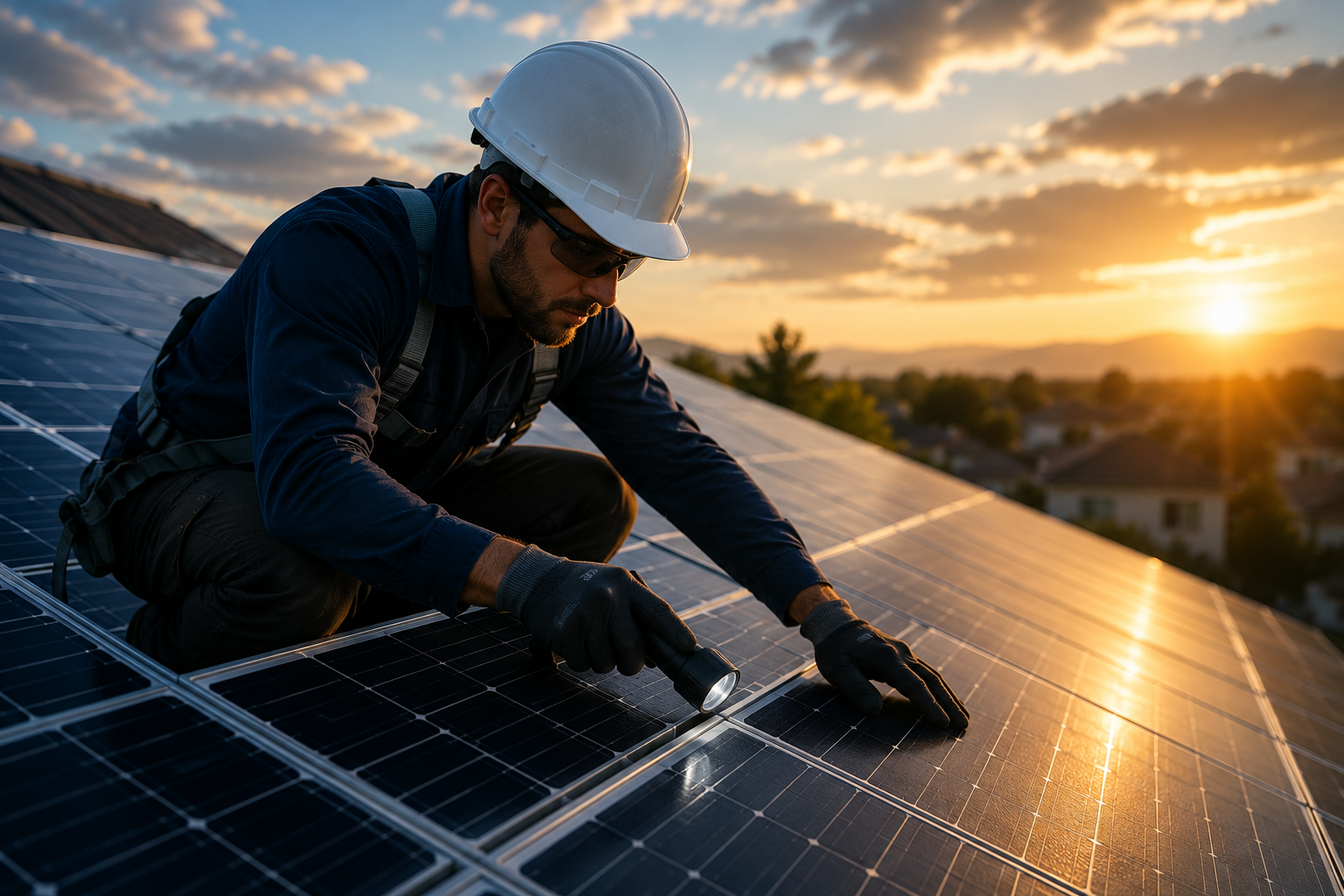
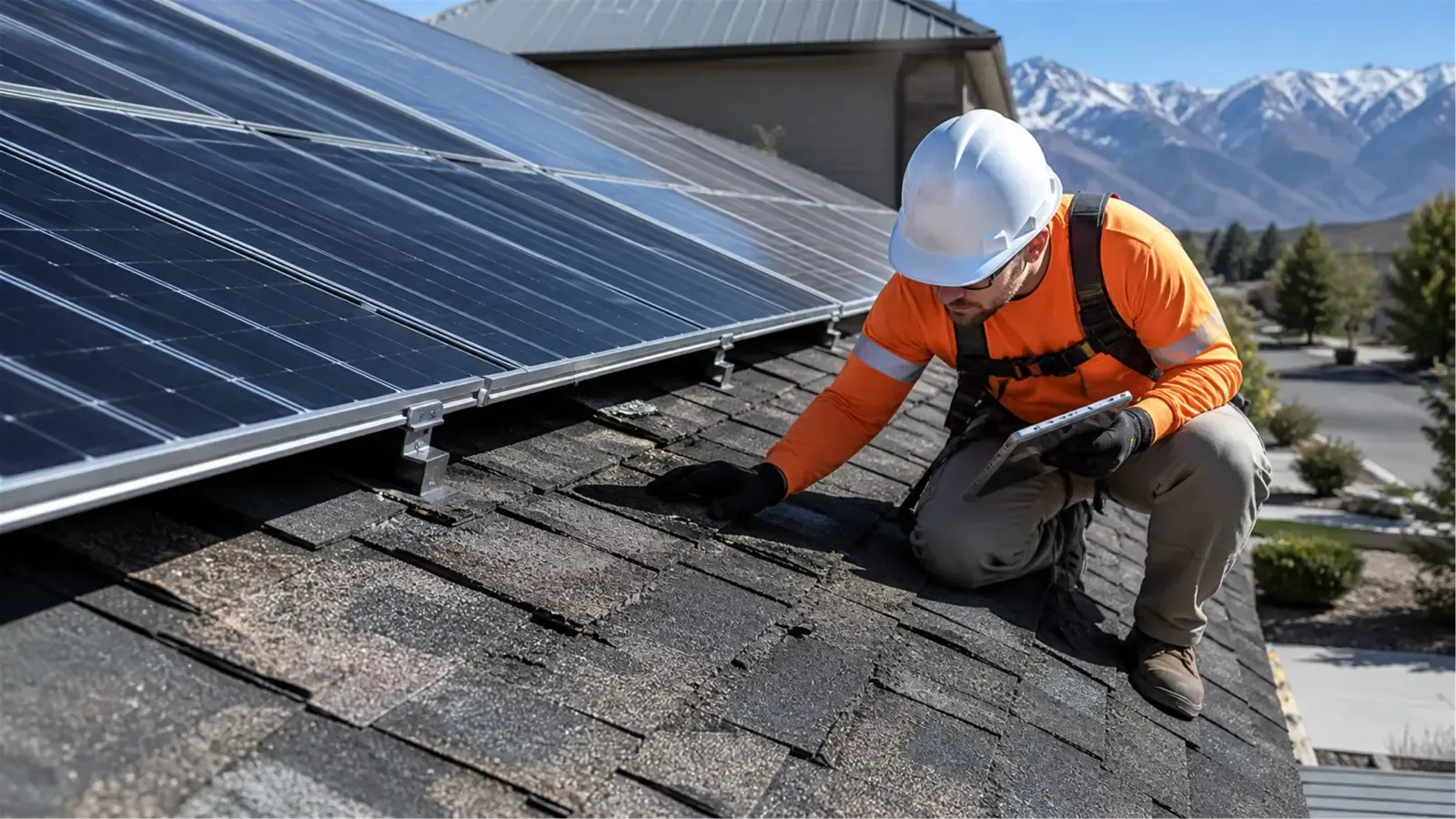
Solar panels should be removed and reinstalled by professionals qualified to work with photovoltaic equipment. The project involves electrical components, rooftop work, mounting hardware, system documentation, and equipment that may remain energized when exposed to sunlight.
A roofing crew may be highly qualified to replace the roof but may not be trained or authorized to disconnect and reconnect the solar energy system. Before the project begins, confirm which contractor is responsible for:
- Deactivating the solar system
- Disconnecting electrical equipment
- Removing panels and mounting components
- Storing the equipment
- Coordinating the project schedule
- Reinstalling the mounting system and panels
- Reconnecting the solar equipment
- Testing system operation
Assigning these responsibilities in advance helps prevent gaps between the solar and roofing portions of the project.
The Solar Panel Removal and Reinstallation Process
The exact process varies according to the property, equipment, roofing work, and system configuration. Most projects include the following stages.
1. Initial Site and System Assessment
The solar provider begins by reviewing the existing system and the work planned for the roof.
The assessment may include:
- System size and panel quantity
- Panel layout
- Inverter and electrical configuration
- Roof height, pitch, and access
- Type and condition of mounting equipment
- Visible panel or wiring damage
- Proposed roofing materials
- Areas requiring roof work
- Equipment storage requirements
- Roofer and solar contractor schedules
This evaluation helps determine the labor, equipment, materials, and coordination required.
2. Project Documentation and Planning
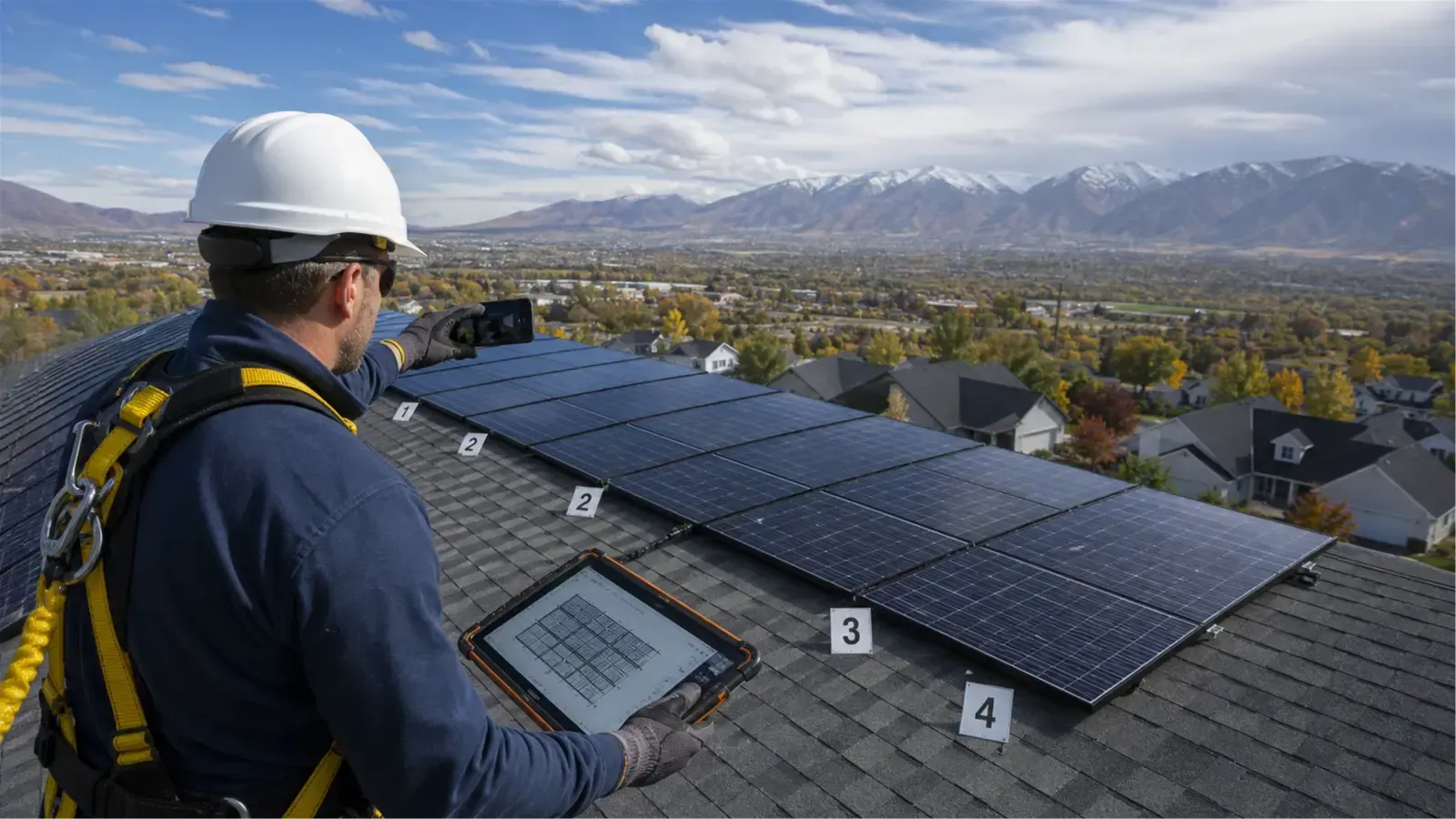
Before removing the panels, the technicians may document the existing layout, wiring arrangement, equipment information, and condition of accessible components.
Useful records may include:
- Photographs of the array
- Panel positions
- Wiring configuration
- Equipment model and serial numbers
- Inverter information
- Existing monitoring data
- Notes about visible damage
Documentation helps organize the removal and supports accurate reinstallation. If the roof design or system layout changes, the installation plan may need to be adjusted.
3. Safe System Deactivation
The solar system must be properly deactivated before equipment is disconnected. The correct procedure depends on the system design and manufacturer instructions.
Property owners should not attempt to disconnect panels, open electrical equipment, or remove mounting hardware themselves. Solar panels can generate electricity whenever they receive sufficient light, even if the utility grid is unavailable.
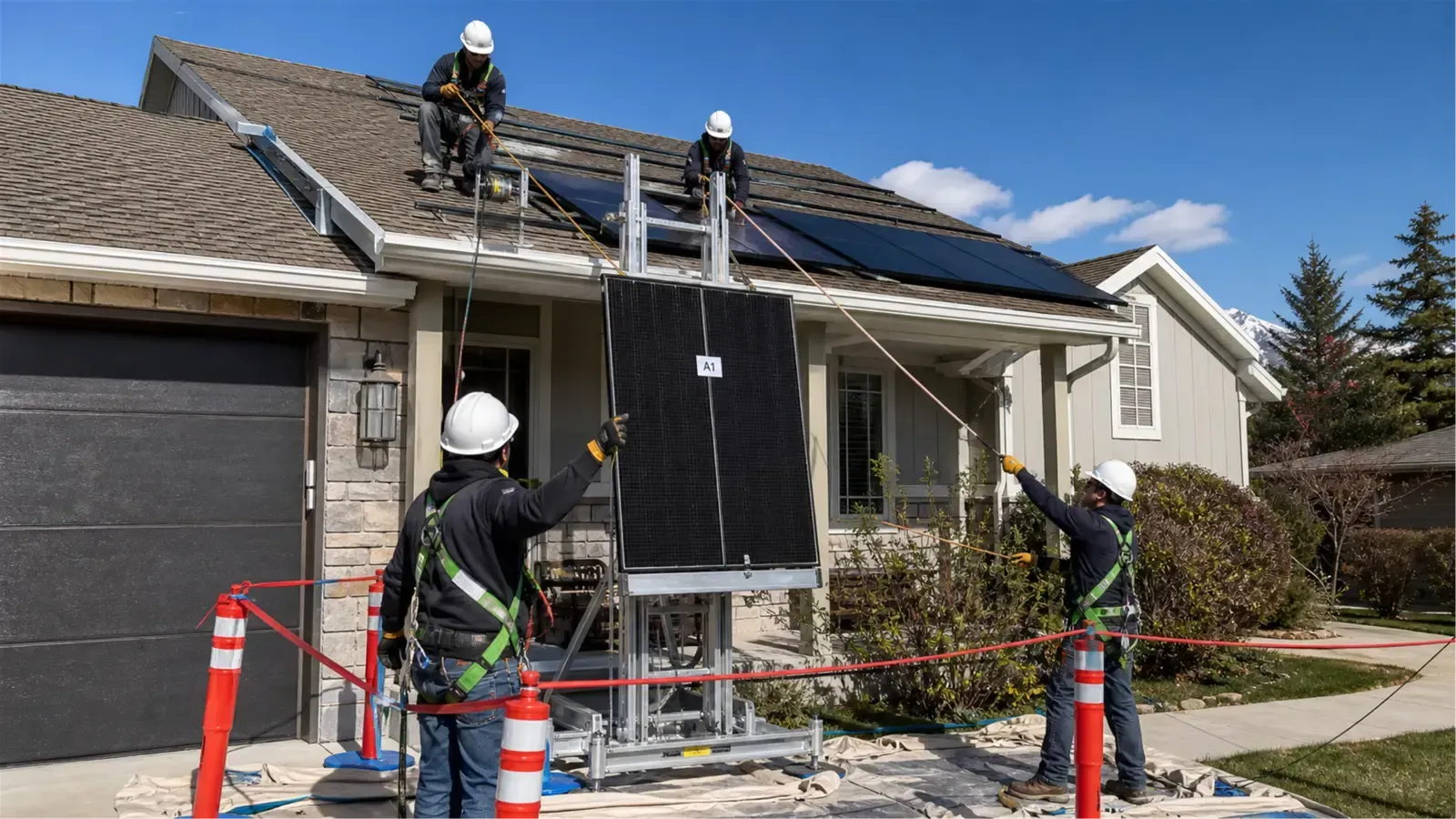
4. Panel and Equipment Removal
Technicians carefully disconnect and remove the panels from the mounting structure. Components are organized and labeled as needed to support storage and reinstallation.
Depending on the roofing project, the work may involve removing:
- Solar panels
- Panel-level electronics
- Wiring attached to the mounting system
- Rails and clamps
- Roof attachments or mounts
- Conduit or other accessible components
Some components may remain in place if they do not interfere with the roof work and doing so is appropriate for the system and project. The solar and roofing contractors should agree on the required roof clearance beforehand.
5. Equipment Inspection and Storage
Removed equipment should be handled and stored in a way that reduces the risk of impact, moisture exposure, theft, or disorganization.
Before storage, technicians may identify:
- Cracked or damaged panels
- Corroded or worn hardware
- Damaged wiring or connectors
- Failed optimizers or microinverters
- Components that may not be appropriate for reuse
The storage location and responsible party should be confirmed before removal begins. Depending on the project, equipment may be stored securely at the property or another agreed location.
6. Roof Repair or Replacement
Once the required solar equipment has been removed, the roofing contractor can complete the planned work.
The roofer may:
- Remove the existing roofing material
- Inspect and repair the roof decking
- Address leaks or structural concerns
- Install underlayment and flashing
- Install the new roofing material
- Prepare the roof for solar reinstallation
The roofing contractor should notify the solar provider when the roof is complete and ready for inspection. Panels should not be reinstalled until the roofing work in the affected area is finished.
7. Roof and Equipment Evaluation Before Reinstallation
Before reinstalling the solar system, the technician evaluates the completed roof and confirms that the planned layout remains appropriate.
Changes may be required if:
- The roof structure was modified
- Vents or other obstructions were relocated
- The roofing material changed
- Damaged solar components were discovered
- Existing mounts cannot be reused
- Current requirements affect the system layout
- The property owner requested a system modification
Any necessary design or material changes should be discussed before the panels are reinstalled.
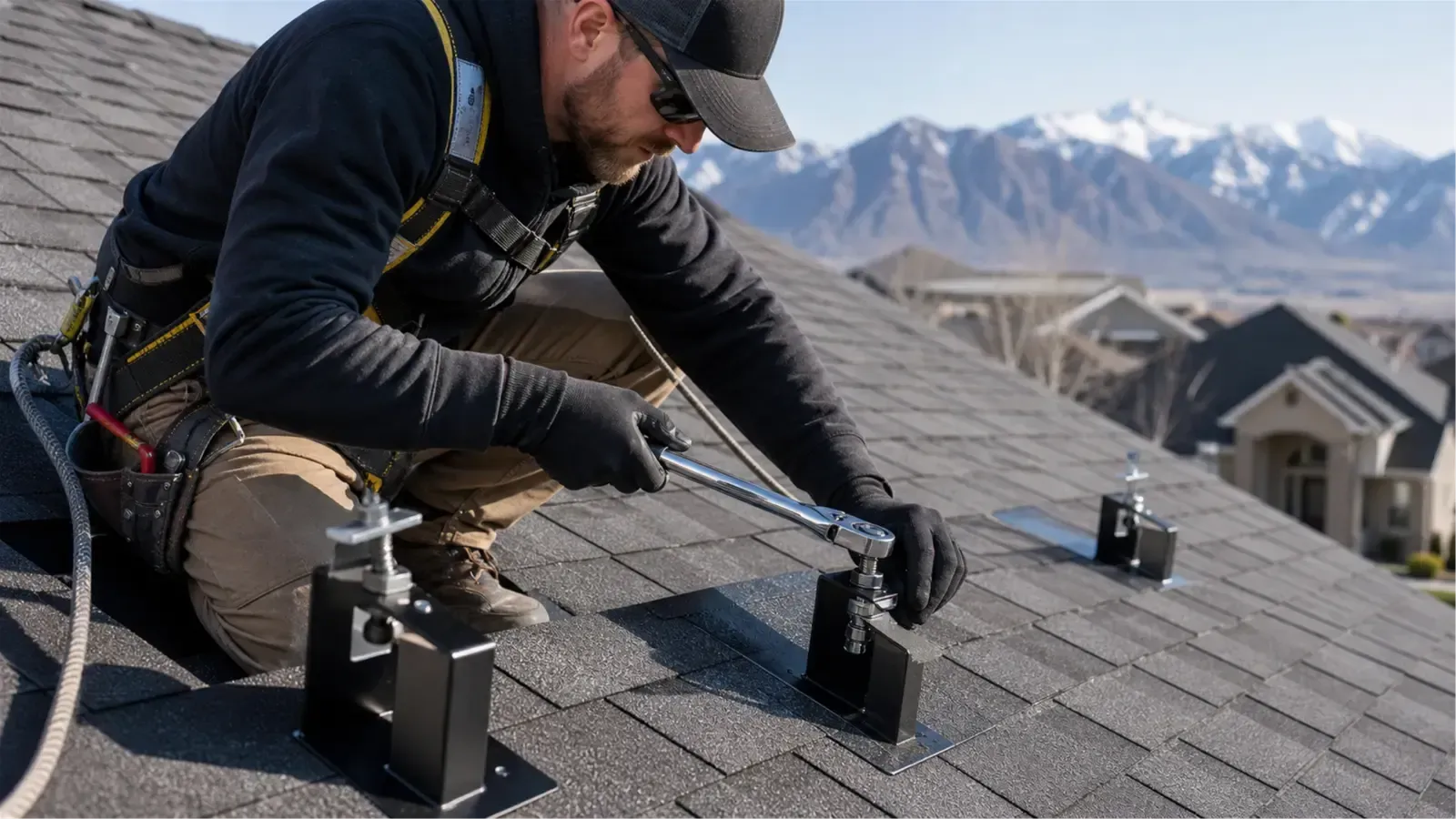
8. Mounting-System Reinstallation
The mounting equipment is installed using methods appropriate for the roof type and solar system. Roof attachments and flashing must be properly positioned to support the array and protect the roof penetrations.
New flashing, seals, fasteners, mounts, or related hardware may be needed. Reusing every original component is not always appropriate, particularly if hardware is worn, damaged, incompatible with the new roofing material, or unsuitable for the revised layout.
9. Panel Reinstallation and Reconnection
Once the mounting system is ready, the panels and related components are returned to the roof. Technicians reconnect the equipment according to the approved design and system requirements.
If the roof and system remain unchanged, the general panel arrangement may be similar to the previous layout. If conditions have changed, the final configuration may need to differ from the original installation.
10. System Testing and Monitoring Review
After reconnection, the system is tested to confirm that it is operating and reporting properly.
The final checks may include:
- Inverter operating status
- Panel or string production
- Monitoring communication
- Visible wiring condition
- Equipment connections
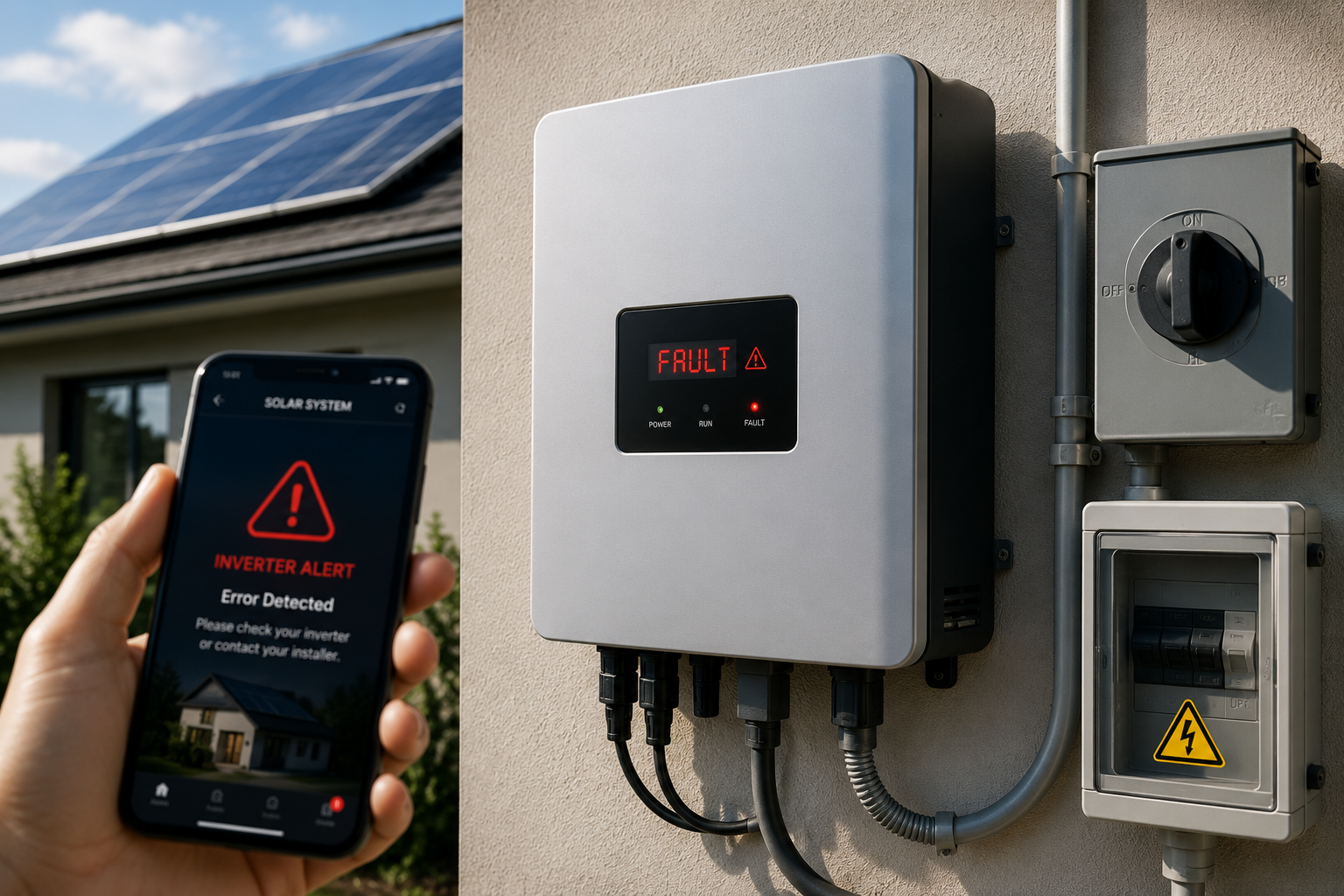
- Error codes or alerts
- General system performance
Monitoring information may take time to update depending on the equipment and communication platform. The solar provider should explain how the property owner can confirm that production data is reporting again.
Modern Energy Solutions includes site assessment, system deactivation, careful panel removal, reinstallation, reconnection, and performance testing in its published
removal and reinstallation process.
How Long Does Solar Panel Removal and Reinstallation Take?
The solar portion of the project is normally completed in separate phases: removal before roofing work and reinstallation after the roof is finished.
The schedule depends on:
- Number of solar panels
- Roof height and pitch
- System design
- Site accessibility
- Weather conditions
- Roofing-project duration
- Equipment condition
- Replacement-part availability
- Required design changes
- Permit or inspection requirements
The system will not produce solar energy while it is disconnected. Coordinating both contractors in advance can help reduce the amount of time between removal and reinstallation.
Avoid scheduling removal before the roofer has confirmed the project start date unless secure storage and the expected downtime have been discussed.
How Much Does Solar Panel Removal and Reinstallation Cost?
Pricing varies by project. Factors that may affect the estimate include:
- System size and panel count
- Roof pitch and number of stories
- Array location and accessibility
- Mounting-system design
- Roofing material
- Amount of equipment requiring removal
- Storage arrangements
- Damaged or worn components
- Replacement mounting hardware
- Wiring or electrical work
- System redesign requirements
- Travel, permits, or inspection requirements
Request a written estimate explaining what is included. Confirm whether removal, storage, replacement materials, reinstallation, reconnection, testing, and coordination are part of the quoted price.
Will the Same Solar Panels Be Reinstalled?
Existing panels can often be reused if they remain compatible and in serviceable condition. However, removal may reveal damaged panels, worn wiring, failed panel-level electronics, or mounting components that should be replaced.
Before approving replacements, ask:
• Which component has a problem?
• Can it be reused safely?
• Is a compatible replacement available?
• Is the equipment covered by a manufacturer warranty?
• Will the replacement affect other system components?
• How will the change affect monitoring?
Panels should not be replaced merely because they were temporarily removed. The decision should be based on their condition, compatibility, and system requirements.
Can the Solar Layout Change After Roof Replacement?
The system may not return to precisely the same layout if the roof or surrounding conditions have changed.
Layout changes may result from:
• New vents, skylights, or rooftop equipment
• Roofline modifications
• Shading changes
• Updated access requirements
• Different roofing materials
• Damaged or incompatible equipment
• A planned system expansion
Any material redesign should be reviewed before reinstallation because it may affect wiring, equipment, permitting, and expected production.
What About Solar and Roof Warranties?
Before scheduling the project, review the available documentation for:
- Solar panel warranties
- Inverter or optimizer warranties
- Mounting-equipment warranties
- Original installation workmanship coverage
- Roofing-material warranties
- Roofing-contractor workmanship coverage
- Solar financing, lease, or power-purchase agreements
If the system is leased or governed by a power-purchase agreement, the equipment may be owned by another company. Obtain the required authorization before arranging removal.
Ask both contractors how their work affects existing coverage and what warranties apply to the new roofing and reinstalled solar equipment. Keep copies of proposals, photographs, invoices, inspection records, and updated system documents.
How to Coordinate the Solar and Roofing Contractors
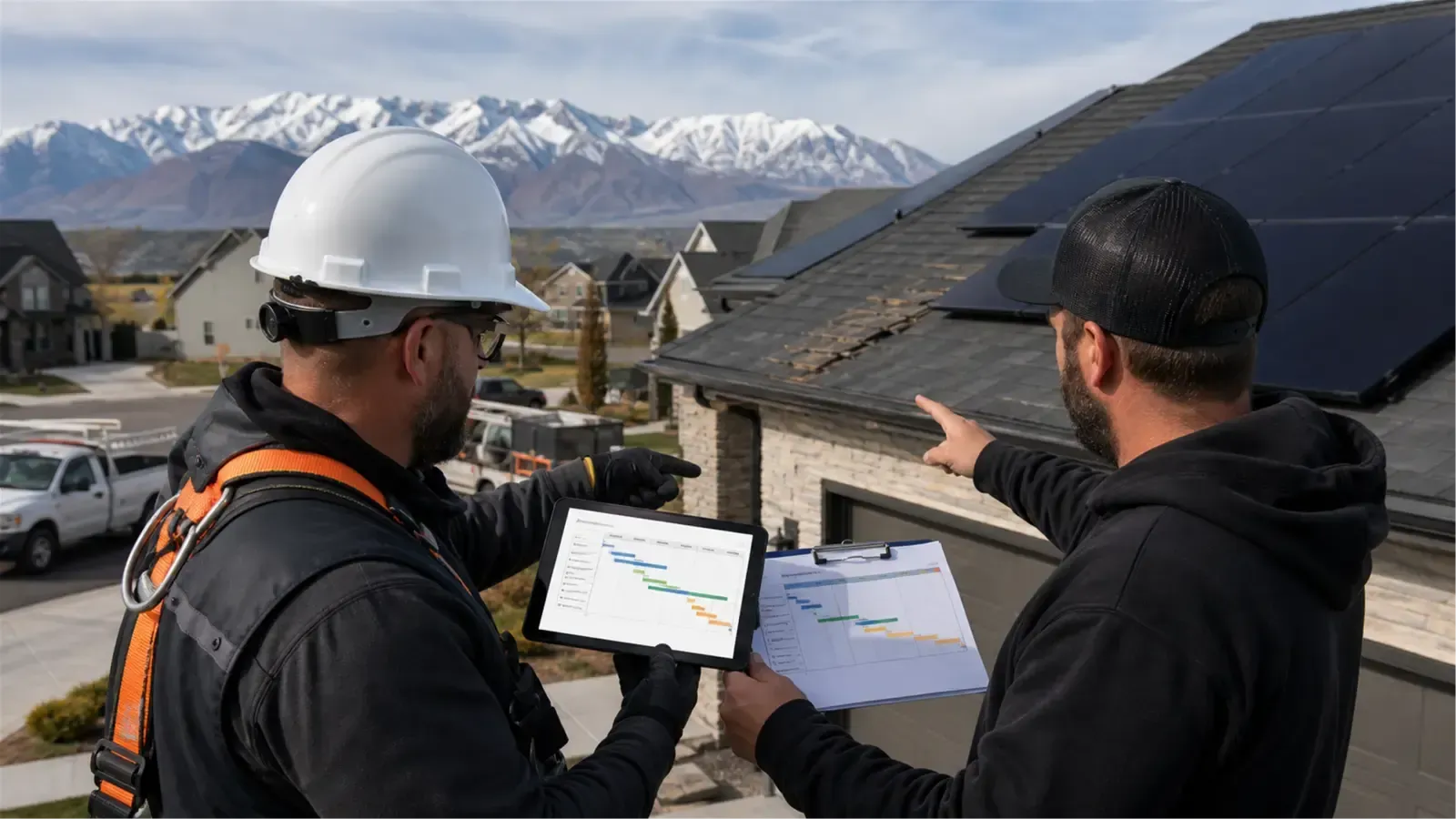
Good scheduling is one of the most important parts of a removal and reinstallation project.
Before work begins:
- Select the solar and roofing contractors
- Share the proposed scope with both companies
- Confirm the roofing start date
- Schedule solar removal shortly before roof work
- Identify the required roof clearance
- Choose a secure storage location
- Establish who will provide replacement hardware
- Confirm when the roofer will report completion
- Schedule reinstallation after the roof is ready
- Identify who will handle permits or inspections if required
- Exchange contact information between project coordinators
The homeowner should know which company is responsible at every stage. Do not assume the roofer and solar provider will coordinate automatically unless that responsibility has been confirmed.
Preparing Your Property for Solar Panel Removal
Homeowners can help prepare by:
- Providing clear access to the driveway and work area
- Moving vehicles away from the home
- Securing pets indoors
- Identifying a suitable equipment-storage area
- Providing available system and warranty documents
- Sharing monitoring access or recent production records
- Confirming roofer contact information
- Discussing landscaping or access concerns
- Asking how long the system may remain offline
- Saving current monitoring screenshots for comparison
Do not move or handle removed solar equipment unless directed by the contractor responsible for it.
Frequently Asked Questions
Do Solar Panels Have to Be Removed for a Roof Replacement?
In most rooftop installations, panels above the work area must be removed so the roofer can access the roofing material and deck. The required scope depends on the panel layout and roofing project.
Can a Roofer Remove and Reinstall Solar Panels?
Only if the roofing company has appropriately qualified solar personnel and accepts responsibility for the electrical and solar work. Otherwise, use a qualified solar service provider for system deactivation, removal, reconnection, and testing.
Will My Solar System Produce Electricity While the Panels Are Removed?
No. The removed portion of the system will not generate usable solar electricity while it is disconnected. In many residential projects, the entire system remains offline until reinstallation is complete.
Should Solar Panels Be Cleaned Before Reinstallation?
Cleaning may be beneficial if the panels have accumulated dirt, dust, or droppings. Ask whether cleaning is included in the removal and reinstallation estimate or available as a separate service.
Is an Inspection Recommended After Reinstallation?
System testing should be completed after reconnection. A broader inspection may be appropriate if damaged equipment, wiring concerns, roof changes, or unexplained performance problems are identified.
Can I Add Panels or a Battery During Reinstallation?
Reinstallation can be an opportunity to discuss system upgrades, but compatibility, design, electrical capacity, permitting, and utility requirements must be evaluated. An upgrade should be planned before the panels return to the roof.
Schedule Solar Panel Removal and Reinstallation in Utah
Modern Energy Solutions provides professional solar panel removal and reinstallation for roof replacement, repairs, renovations, system upgrades, and other projects requiring access beneath an existing array.
Services are available in:
- Lehi
- American Fork
- Saratoga Springs
- Lindon
- Orem
- Provo
- Pleasant Grove
- Sandy
- Draper
- Riverton
Call Modern Energy Solutions at
(801) 941-7541 or submit the online contact form to discuss your roofing schedule and request an estimate.
Recent Posts