Solar Panel Troubleshooting: When to Call a Professional
Solar panel troubleshooting starts with understanding the difference between normal changes in energy production and signs of a system problem. While solar energy systems are designed for long-term operation, issues involving panels, inverters, wiring, monitoring equipment, batteries, and mounting hardware can occur over time.
Some problems can be identified through basic troubleshooting, such as checking the monitoring app, reviewing inverter error messages, or considering recent weather conditions. However, persistent production loss, recurring errors, visible damage, roof work, or battery issues often require professional diagnosis and repair.
Modern Energy Solutions provides solar installation, inspection, repair, maintenance, battery backup, and panel removal and reinstallation services for Utah homes and businesses.
Solar Panel Troubleshooting: Signs You Need Professional Help
Before scheduling a repair, homeowners can perform a few basic solar panel troubleshooting steps, such as reviewing the monitoring app, checking for inverter error messages, and considering recent weather conditions. If the issue continues after these checks, professional diagnostics can help determine the underlying cause.
Unexpected or Persistent Production Loss
A single cloudy day is not usually a cause for concern. However, production that remains substantially lower than expected during comparable conditions may indicate a problem.
Possible causes include:
- Inverter trouble
- Damaged panels
- Failed microinverters or optimizers
- Loose or damaged wiring
- Heavy soiling or debris
- New shading
- Monitoring problems
- Utility-grid conditions
Compare current production with similar days or seasons when historical information is available. If the decline continues, a professional evaluation can help identify the cause.
Inverter Error Messages
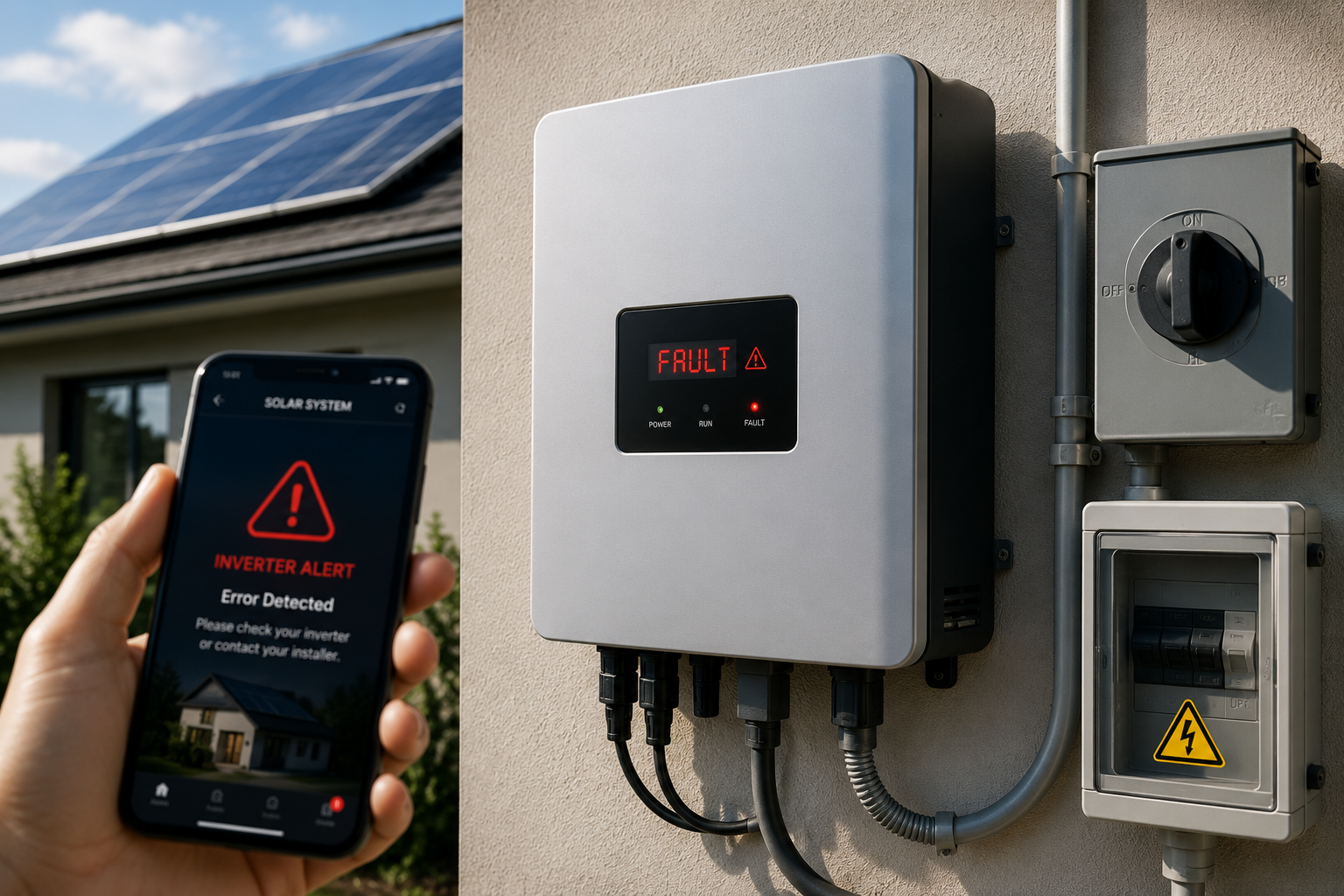
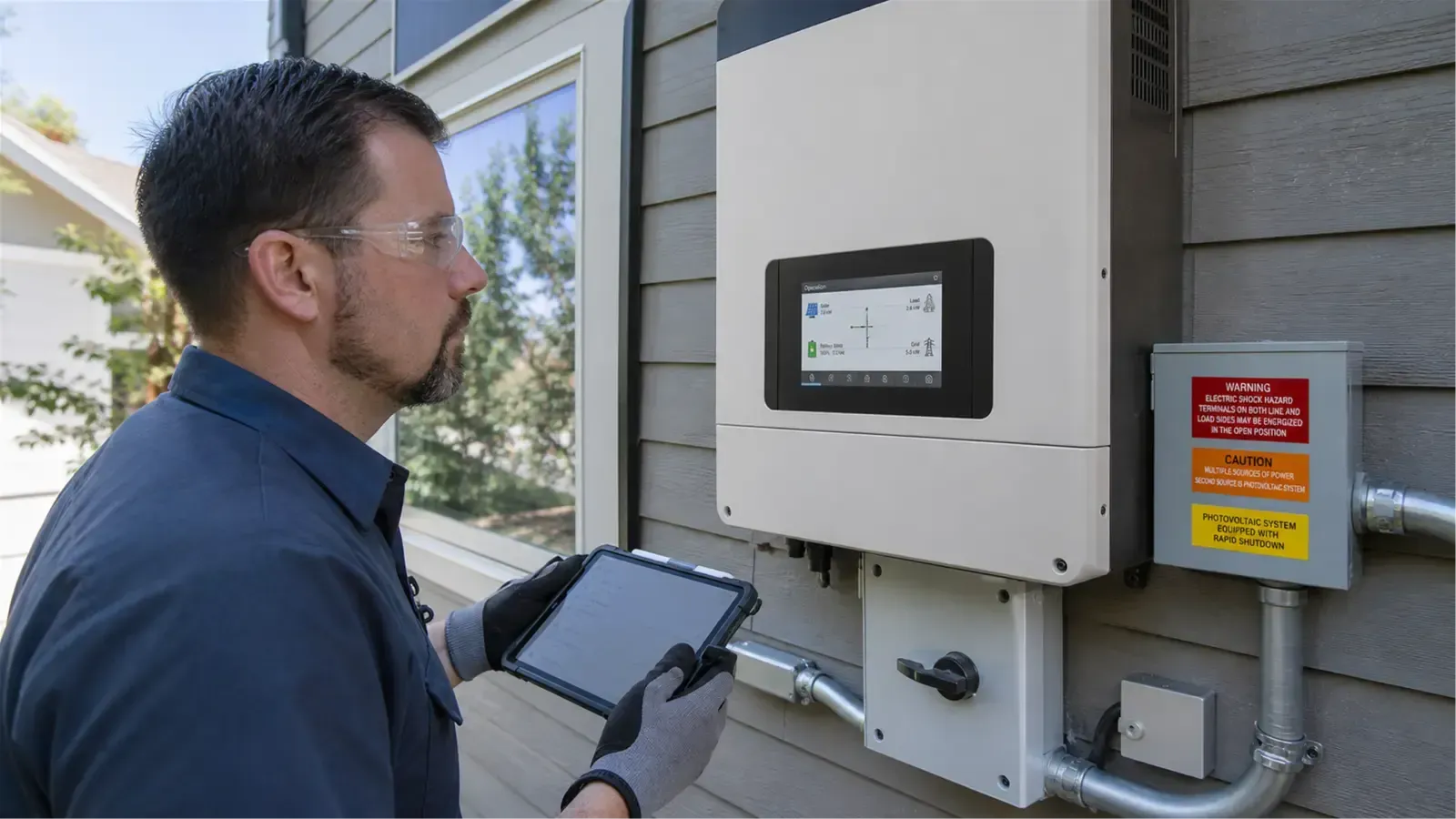
An inverter error does not automatically mean that the inverter must be replaced. Error codes may relate to utility conditions, wiring, communication, panel-level equipment, or an internal inverter problem.
Record the exact code and take a photograph of the display if possible. A solar technician can review the message, inspect the system, and determine the appropriate next step.
See related content: Signs Your Solar Inverter May Need Repair
Missing or Inaccurate Monitoring Data
If the solar monitoring application stops updating, the system may have lost its internet or equipment connection. In some cases, the panels may continue producing even though current information is unavailable.
A technician can determine whether the problem involves:
- Internet connectivity
- The monitoring gateway
- Inverter communication
- Individual panel reporting
- Meter configuration
- Actual energy production
The U.S. Department of Energy explains that solar monitoring platforms can identify faults, abnormal conditions, and underperformance requiring attention.
Visible Panel or Equipment Damage
Cracked glass, bent panel frames, displaced equipment, exposed wiring, corrosion, or damaged conduit should be professionally evaluated.
Do not climb onto the roof or touch damaged solar components. Photovoltaic panels can generate electricity when exposed to sunlight, even when part of the system appears inactive.
Repeated System Shutdowns
A solar system that repeatedly shuts down and restarts may be responding to unstable utility conditions, an electrical problem, excessive equipment temperature, or an internal fault.
Professional diagnostics can identify whether the shutdown is a normal protective response or a sign that service is needed.
Unusual Noises, Odors, or Heat
New buzzing, repeated clicking, discoloration, excessive heat, or a burning odor near an inverter or electrical component requires prompt attention.
Do not open equipment covers or attempt a repair. If you see smoke, fire, or sparking, move to a safe area and contact emergency services.
Roof Leaks Near the Solar Installation
Water stains or leaks near solar mounting points should be investigated. The leak may come from the solar installation, roofing materials, flashing, or an unrelated roof condition.
A solar provider and roofing contractor may need to coordinate to identify the source and determine whether panels must be temporarily removed.
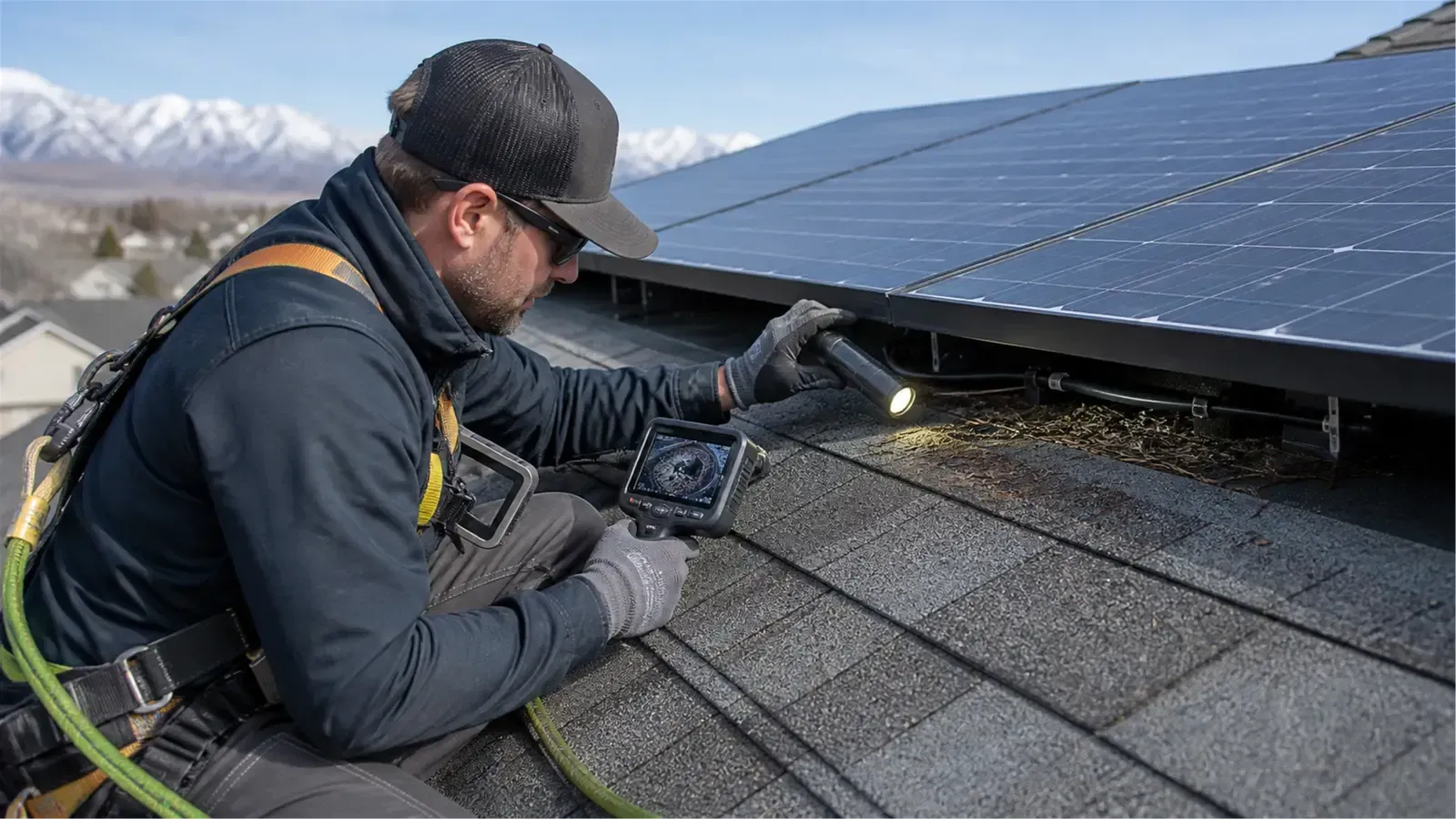
Birds or Animals Beneath the Panels
Birds and other animals may nest beneath rooftop solar panels. Nesting materials, droppings, and animal activity can affect wiring and create debris around the system.
A professional can evaluate the area and determine whether cleanup, repairs, or critter guard installation is appropriate.
Which Solar Service Do You Need?
The appropriate service depends on the system, symptoms, and property. If you are unsure what to request, describe the problem to the solar provider rather than attempting to diagnose it yourself.
Solar Panel Inspection and System Diagnostics
An inspection is a sensible starting point when the cause of a problem is unclear or you want a broader evaluation of an existing system.
A professional inspection may review:
- Panel condition
- Inverter operation
- Accessible wiring and connections
- Mounting structures
- Monitoring functionality
- Roof penetrations
- Available production data
Inspection findings can help determine whether the system needs repair, cleaning, monitoring assistance, or continued observation.
See related content: How Often Should Solar Panels Be Inspected?
Solar Panel Repair
Repair service may be appropriate when a specific system problem has already been identified or the equipment shows a clear fault.
Solar repair may involve:
- Inverter diagnostics or replacement
- Microinverter or optimizer replacement
- Solar panel replacement
- Wiring and connection repair
- Monitoring troubleshooting
- System reconnection
- Performance testing
Solar System Maintenance
Maintenance can address accumulated dirt, debris, animal activity, and other conditions that may affect the system.
Services may include:
- Panel cleaning
- General system checks
- Monitoring review
- Debris removal
- Critter guard installation
- Maintenance recommendations
The appropriate maintenance schedule depends on the property, surrounding environment, system age, and equipment condition.
Solar Panel Removal and Reinstallation
Contact a qualified solar provider before beginning roof replacement, roof repairs, structural work, or renovations affecting an area beneath the panels.
The process may include:
- System assessment
- Safe deactivation
- Panel and equipment removal
- Organized storage
- Coordination with the roofing contractor
- Mounting-system installation
- Panel reinstallation
- Electrical reconnection
- System testing
See related content: What to Expect During Solar Panel Removal and Reinstallation
Solar Battery Backup Service
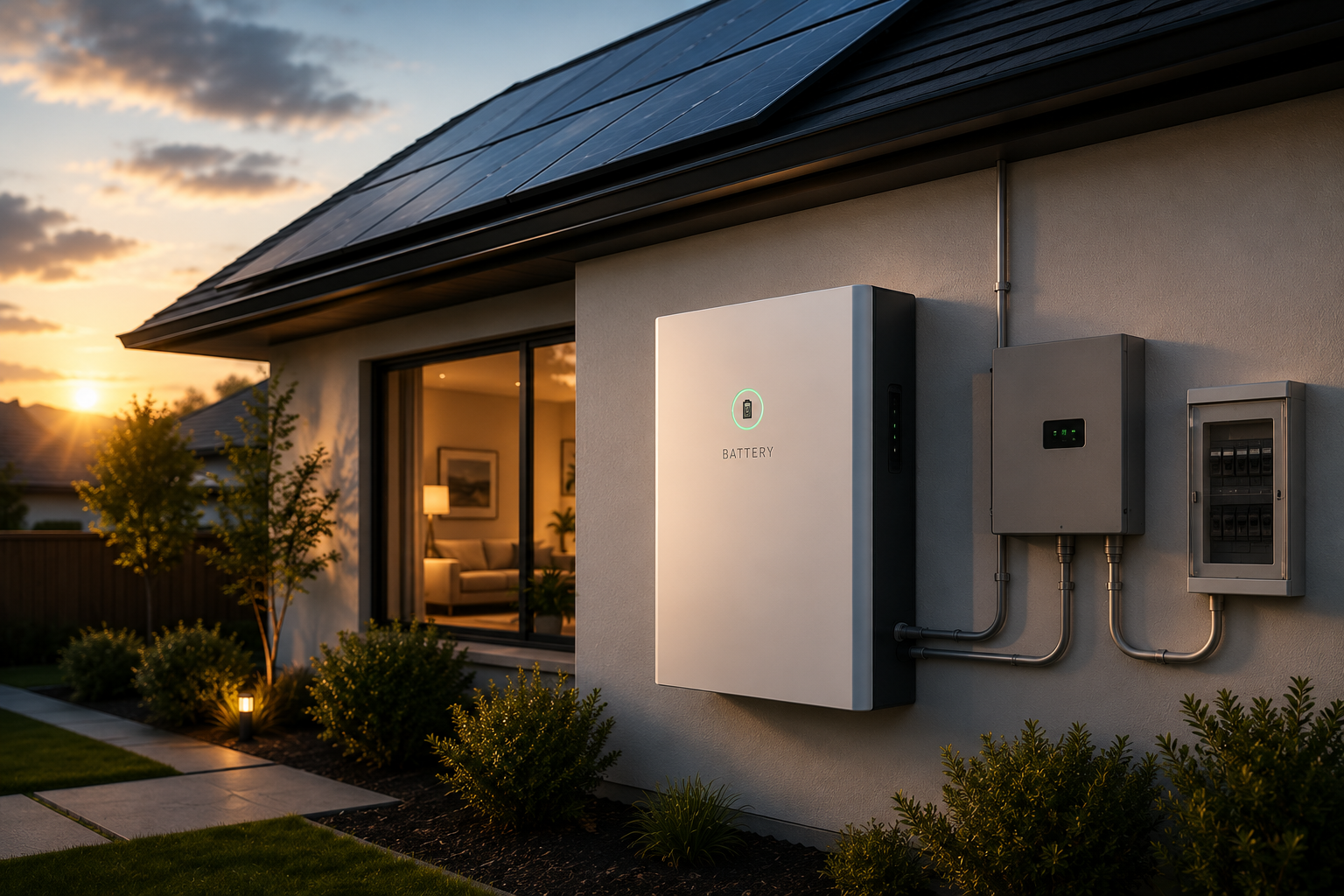
Professional battery assistance may be appropriate if you want to add energy storage or an existing battery displays an error, stops charging, or does not operate as expected during an outage.
Battery design and troubleshooting may require reviewing:
- Household energy use
- Essential backup loads
- Battery capacity and power
- Existing solar equipment
- Inverter compatibility
- Electrical-panel configuration
- Available installation space
See related content: Is a Solar Battery Backup Right for Your Home?
New Solar Panel Installation
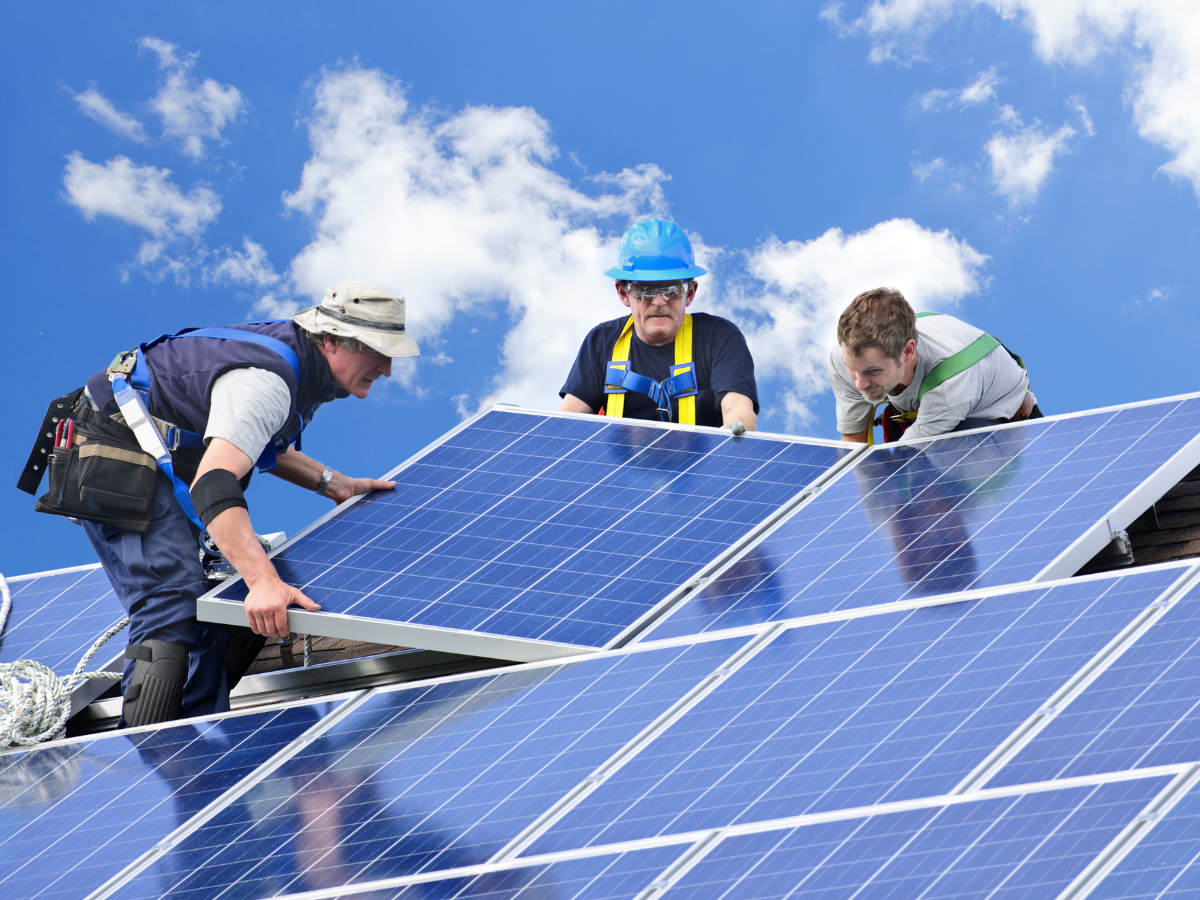
If your property does not yet have solar panels, a professional consultation can help determine whether the site is suitable and what system design may meet your energy goals.
The evaluation may consider:
- Electricity consumption
- Roof condition
- Available installation area
- Roof orientation
- Shading
- Electrical service
- Equipment options
- Battery storage goals
- Permit and utility requirements
When to Request Service After Severe Weather
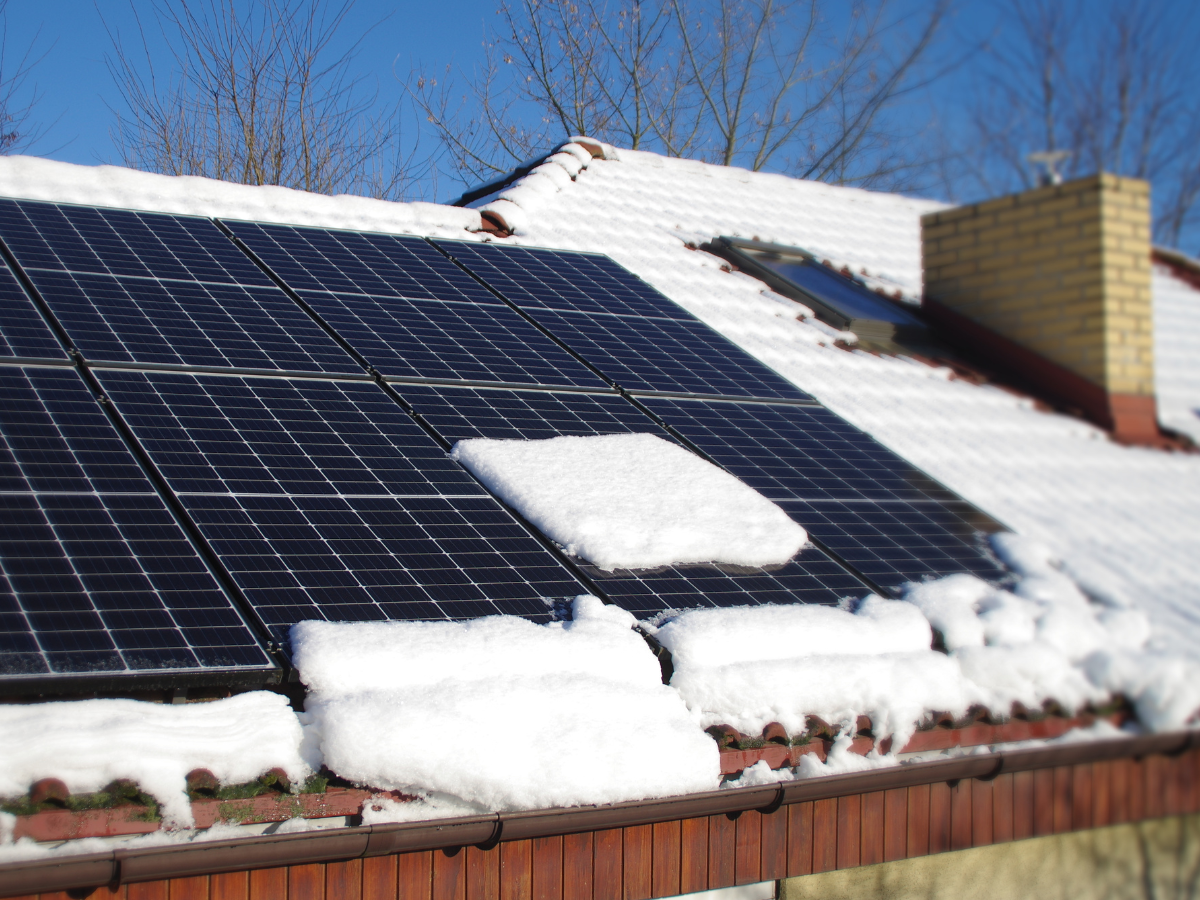
Utah solar systems may experience seasonal snow, strong wind, hail, dust, and substantial temperature changes. Consider professional service after a severe weather event if you notice:
- Cracked or displaced panels
- Damaged or exposed wiring
- Debris beneath or on top of the array
- Inverter errors
- Missing panel-level production
- Unexpected system shutdowns
- Roof leaks
- Production that does not recover after conditions improve
Damage is not always visible from the ground. An inspection can evaluate the system without requiring the homeowner to access the roof.
See related content:
How Utah Weather Can Affect Solar Panel Performance
Basic Solar Panel Troubleshooting Steps Before Calling a Professional
You can collect useful information without opening equipment or accessing the roof.
Before contacting a solar professional:
- Check whether the utility grid is experiencing an outage
- Review the monitoring application
- Note when production last appeared normal
- Record inverter errors and warning lights
- Take photographs from a safe location
- Identify whether the problem followed a storm or power outage
- Locate system documents and warranty information
- Find equipment model and serial numbers if safely accessible
- Describe any recent roof or electrical work
This information may help the technician understand the problem and prepare for the service appointment.
Do not remove equipment covers, disconnect wiring, walk on panels, or repeatedly reset breakers to clear an unidentified fault.
What to Expect During a Professional Solar Service Visit
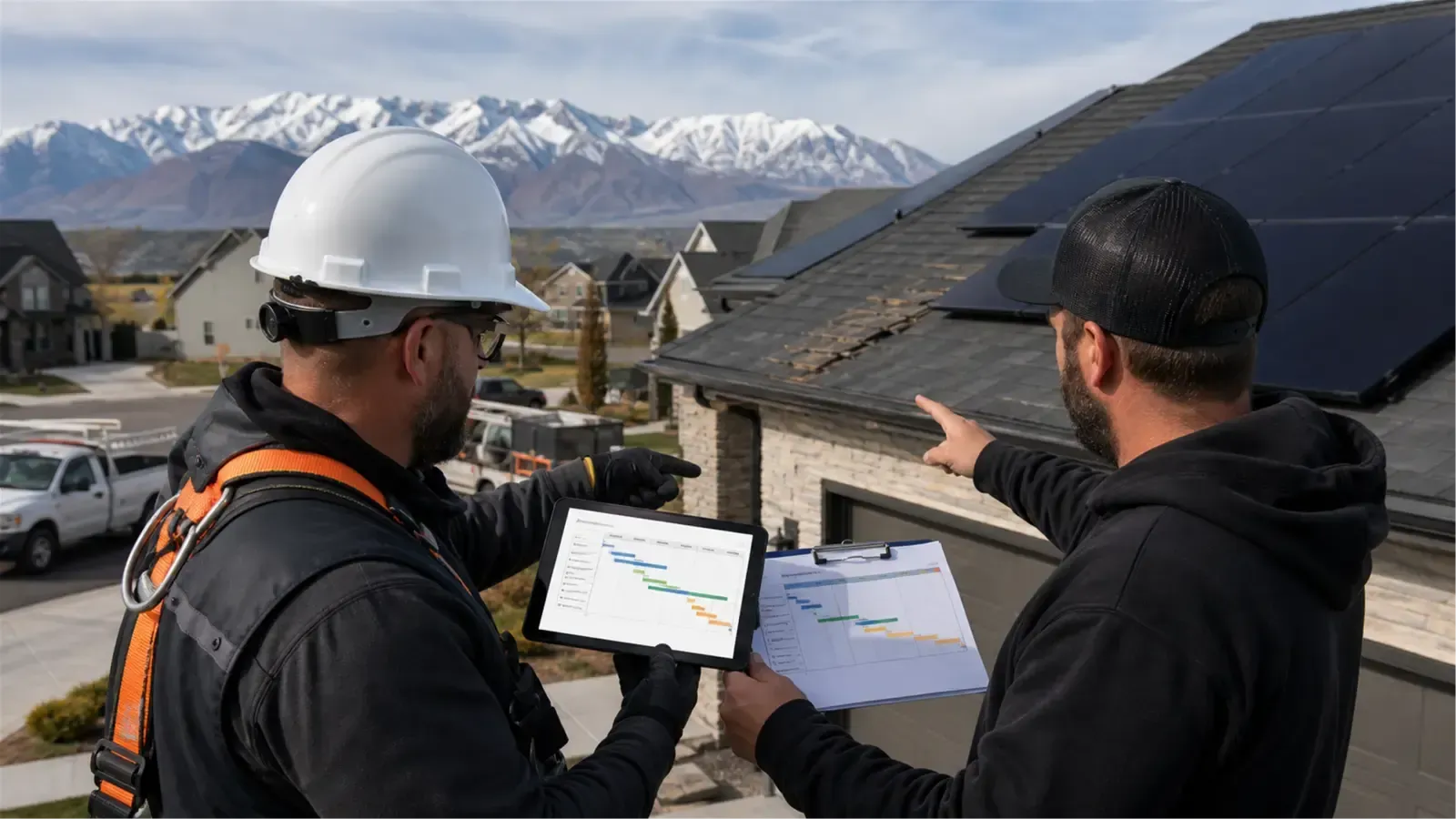
The appointment will vary depending on the reported concern, but the process generally begins with gathering information about the system and reviewing the symptoms.
A technician may:
Review the Reported Problem
Explain when the issue began, what the monitoring platform shows, and whether anything changed at the property beforehand.
Inspect Relevant Components
The technician evaluates accessible panels, inverter equipment, wiring, mounting hardware, monitoring equipment, or battery components related to the concern.
Perform System Diagnostics
Available measurements, equipment status, production data, and error history may be reviewed to isolate the problem.
Explain the Findings
After evaluating the system, the technician can explain what was identified and whether maintenance, repair, replacement, or further investigation is recommended.
Provide an Estimate
When additional work is needed, request written pricing outlining the proposed service, replacement equipment, and other project considerations.
Information to Provide When Requesting Solar Service
Providing detailed information can make the initial conversation more productive.
Include the following when available:
- Property address or service city
- Residential or commercial property type
- Service requested
- Approximate system age
- Original installer
- Panel and inverter brands
- Error codes
- Monitoring screenshots
- Description of the production problem
- Date the issue began
- Recent storm, roof, or electrical work
- Equipment ownership or lease information
- Warranty documents
If you do not know the equipment details, explain what you can observe. The solar provider can advise you about the next step.
Frequently Asked Questions About Professional Solar Help
Who Should I Call if My Solar Panels Stop Working?
Contact a qualified solar service provider with experience diagnosing panels, inverters, wiring, monitoring systems, and related equipment. Provide any error codes and production information available.
Can a Solar Company Service Equipment It Did Not Install?
Modern Energy Solutions provides inspections, diagnostics, maintenance, and repair services for existing solar systems, including systems installed by another company.
Does Low Production Always Mean My Solar System Is Broken?
No. Weather, season, shading, snow, and temporary monitoring problems can affect reported production. Persistent or unexplained loss should be evaluated.
Should I Call a Roofer or Solar Company About a Roof Leak?
The appropriate contractor depends on the source of the leak. When the concern is near solar equipment or mounting points, coordination between a solar provider and roofer may be needed.
How Can I Troubleshoot My Solar Panels?
Homeowners can begin solar panel troubleshooting by reviewing the monitoring app, checking inverter error messages, confirming there isn't a utility outage, and looking for visible signs of damage from the ground. If production remains unusually low or the system continues reporting errors after these basic checks, contact a qualified solar professional for an inspection.
Can I Repair a Solar Inverter Myself?
Homeowners should not open or internally repair solar inverters. The equipment involves electrical hazards and should be evaluated by a qualified professional.
Choosing the Right Solar Service After Troubleshooting
Request an inspection or describe the symptoms through the contact form. The solar provider can determine whether inspection, diagnostics, maintenance, or repair is the appropriate starting point.
Professional Solar Services in Utah
Modern Energy Solutions provides solar installation and system support for homeowners and businesses in:
- Lehi
- American Fork
- Saratoga Springs
- Lindon
- Orem
- Provo
- Pleasant Grove
- Sandy
- Draper
- Riverton
Our services include:
- Solar panel installation
- Solar battery backup systems
- Solar panel repair
- Inverter diagnostics and replacement
- Solar system maintenance
- Solar panel inspections and system diagnostics
- Solar panel removal and reinstallation
- Solar monitoring troubleshooting
- Panel cleaning
- Critter guard installation
Need help troubleshooting your solar panels? Tell us what you're experiencing, and our team will help diagnose the issue and recommend the right repair, inspection, or maintenance service.
Call Modern Energy Solutions at
(801) 941-7541 or submit the online contact form to request service.
Recent Posts