Is a Solar Battery Backup Right for Your Home?
A solar battery backup may be a good fit if you want selected appliances to remain available during outages, want to use more of the energy generated by your solar panels, or prefer greater control over your home's electricity use.
The right solution depends on more than the size of your solar panel system. Your energy consumption, essential appliances, desired backup duration, existing equipment, electrical service, installation space, and budget all affect battery selection.
Before choosing a system, identify what you want the battery to accomplish. A household seeking to keep its refrigerator, lights, and internet running will have different requirements than one expecting to operate air conditioning, electric heating, a well pump, or most of the home during an outage.
What Is a Solar Battery Backup System?
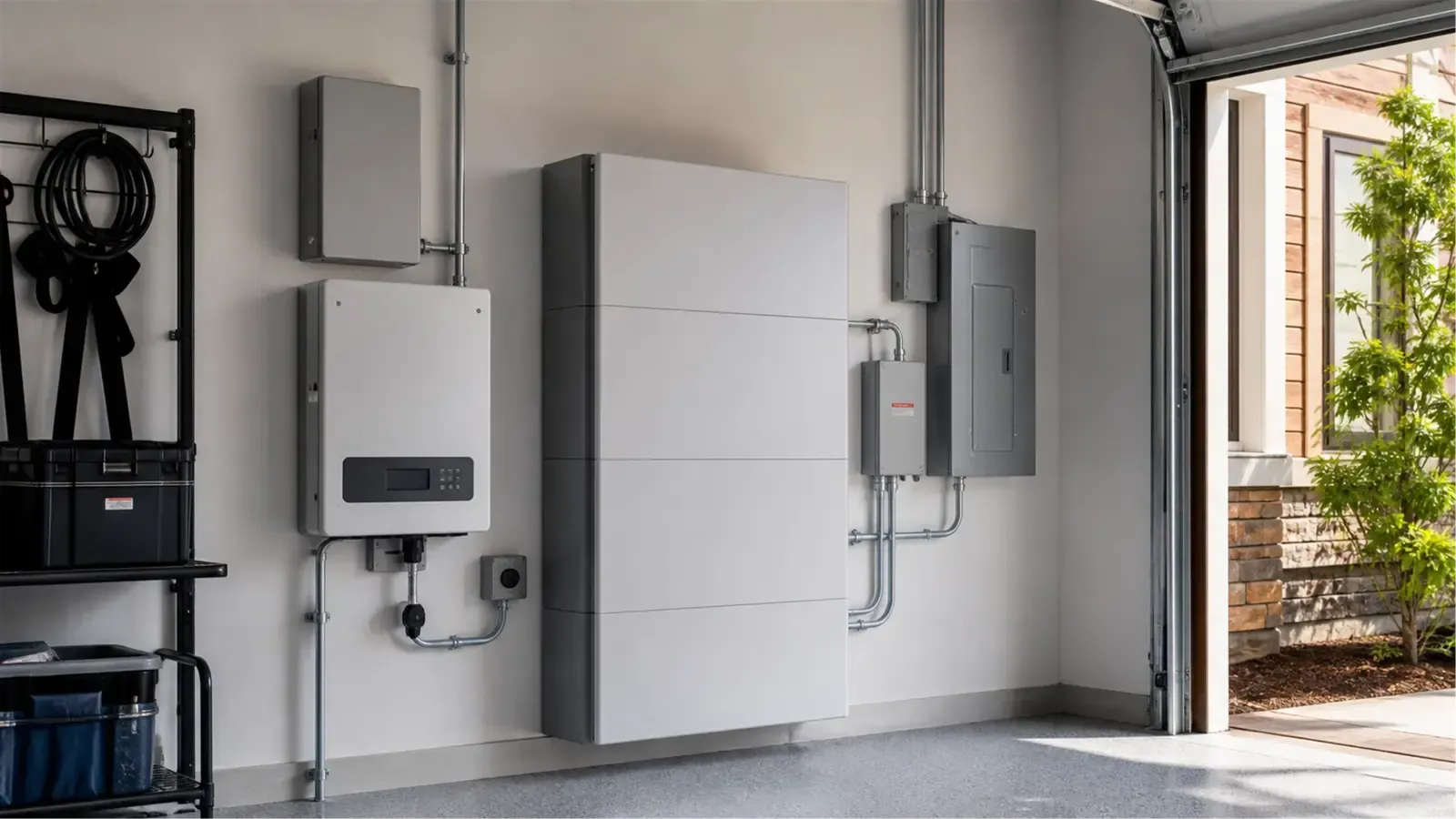
A solar battery stores electricity for later use. When paired with a properly configured solar panel system, the battery may charge using solar energy that is not immediately needed by the home.
Stored energy can then be used:
- During a utility outage
- After the sun goes down
- When solar production is lower than household demand
- During higher-cost utility periods when supported by the equipment and rate plan
- To reduce reliance on electricity drawn directly from the grid
Most conventional grid-connected solar systems shut down during an outage for safety. The U.S. Department of Energy explains that solar panels generally require a properly configured inverter and storage system to continue providing power when the grid is unavailable.
Simply having solar panels does not necessarily mean your home will have electricity during a blackout.
Questions to Consider Before Installing a Solar Battery
What Do You Want the Battery to Accomplish?
Begin by defining your primary goal. Homeowners commonly consider battery storage for:
- Backup power during utility outages
- Greater use of the solar energy produced at home
- Reduced dependence on the electrical grid
- Support for selected essential appliances
- Greater control over when stored energy is used
- Preparation for future household energy needs
Backup resilience and everyday energy management are related but different goals. A system designed primarily for short outages may not be the same as one intended to support substantial household loads for an extended period.
Which Appliances Are Essential During an Outage?
Create a prioritized list of the appliances and circuits you want available when grid power is lost.
Essential loads may include:
- Refrigerator or freezer
- Selected lights
- Internet modem and Wi-Fi router
- Phone and computer charging
- Garage door opener
- Selected outlets
- Security equipment
- Medical equipment
- Well pump
- Heating or cooling equipment
Larger appliances often require more power and may deplete stored energy more quickly. Air conditioners, electric heaters, water heaters, clothes dryers, cooking appliances, pool pumps, and electric vehicle chargers can substantially increase battery requirements.
If anyone in the home depends on powered medical equipment, consult the equipment provider and develop an appropriate emergency plan. A residential battery should not be treated as the only safeguard for a life-safety need without professional guidance and an additional contingency plan.
How Much Electricity Does Your Home Use?
Electricity consumption helps determine the battery capacity appropriate for your goals. Review recent utility bills and, if available, hourly or daily consumption information.
Consider:
- Typical daily electricity use
- Evening and overnight consumption
- Seasonal changes in demand
- Heating and cooling equipment
- Well or sump pumps
- Electric vehicle charging
- Future appliances or home additions
- Whether you expect energy use to increase
Annual usage is useful for planning, but backup design should also account for how much power the home may require at one time.
How Long Do You Want Backup Power to Last?
Backup duration depends on the amount of stored energy available and how quickly the household uses it. Running only a few essential loads can extend battery duration, while operating high-demand appliances can drain the same battery much sooner.
Actual duration may be influenced by:
- The battery's usable capacity
- Its charge level when the outage begins
- The number of appliances operating
- Appliance starting requirements
- Outage length
- Solar production during the outage
- Weather and shading
- Equipment operating limits
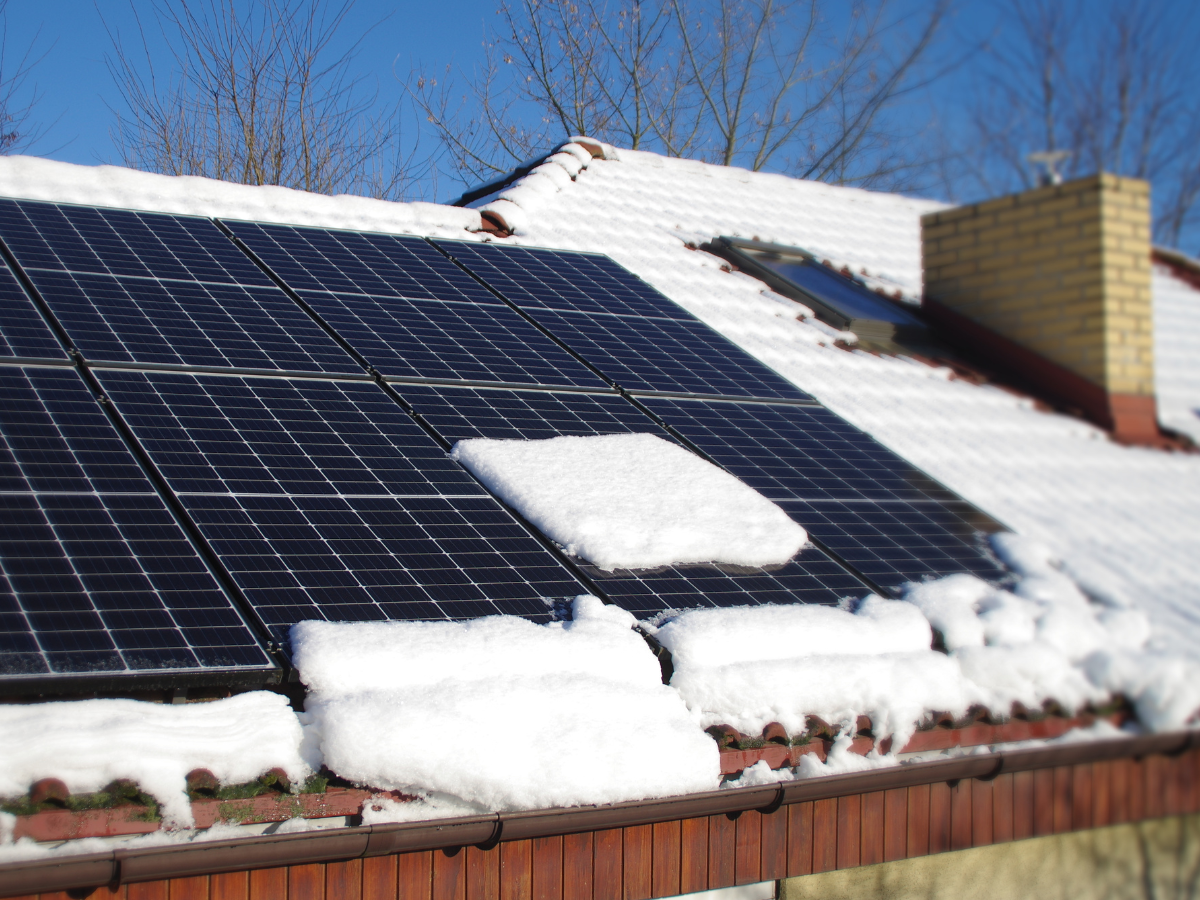
Solar production may recharge a compatible battery during a daytime outage, but the amount of available sunlight cannot be guaranteed. Cloud cover, snow, shading, season, and household consumption can affect whether the system generates more energy than the home is using.
Do You Need Partial or Whole-Home Backup?
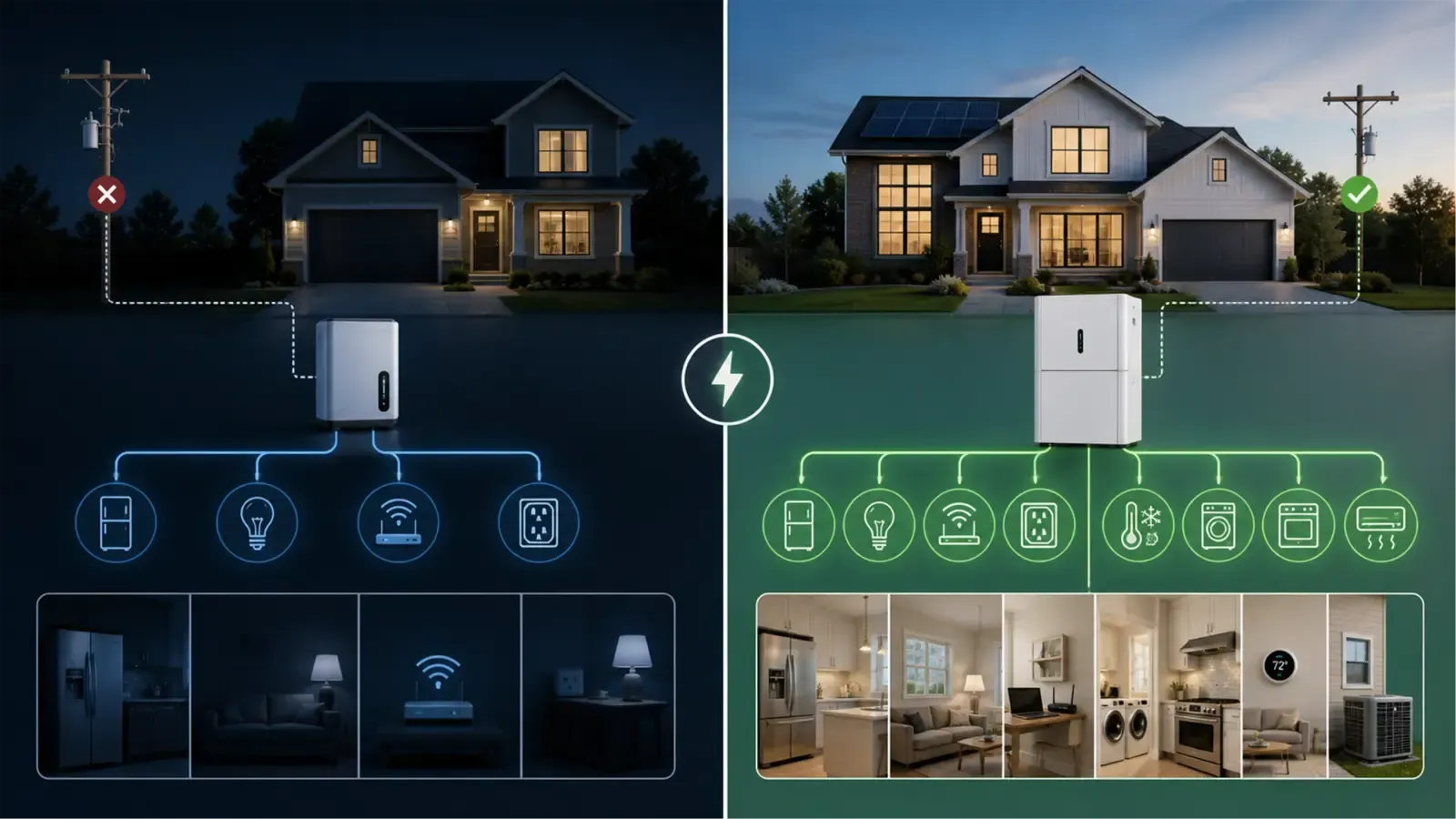
A partial-home system supports selected circuits or essential loads. A whole-home configuration is designed to serve a broader range of household equipment, subject to the battery system's power and capacity limits.
Partial backup may prioritize:
- Refrigeration
- Lighting
- Internet service
- Selected outlets
- Small electronics
- Other essential circuits
Whole-home backup may require greater battery capacity, additional equipment, load-management controls, or multiple batteries, particularly when the home includes central air conditioning, electric heating, pumps, or other large electrical loads.
Battery manufacturers distinguish between partial backup for selected essential loads and whole-home configurations intended to support more appliances. The correct design still depends on the property, equipment, and household consumption, as outlined in Tesla's backup-design overview.
Is Your Existing Solar System Compatible?
A battery can sometimes be added to an existing solar system, but compatibility should be evaluated before equipment is selected.
The assessment may consider:
- Solar inverter type
- Existing panel configuration
- Battery communication requirements
- Electrical-panel capacity
- Available equipment connections
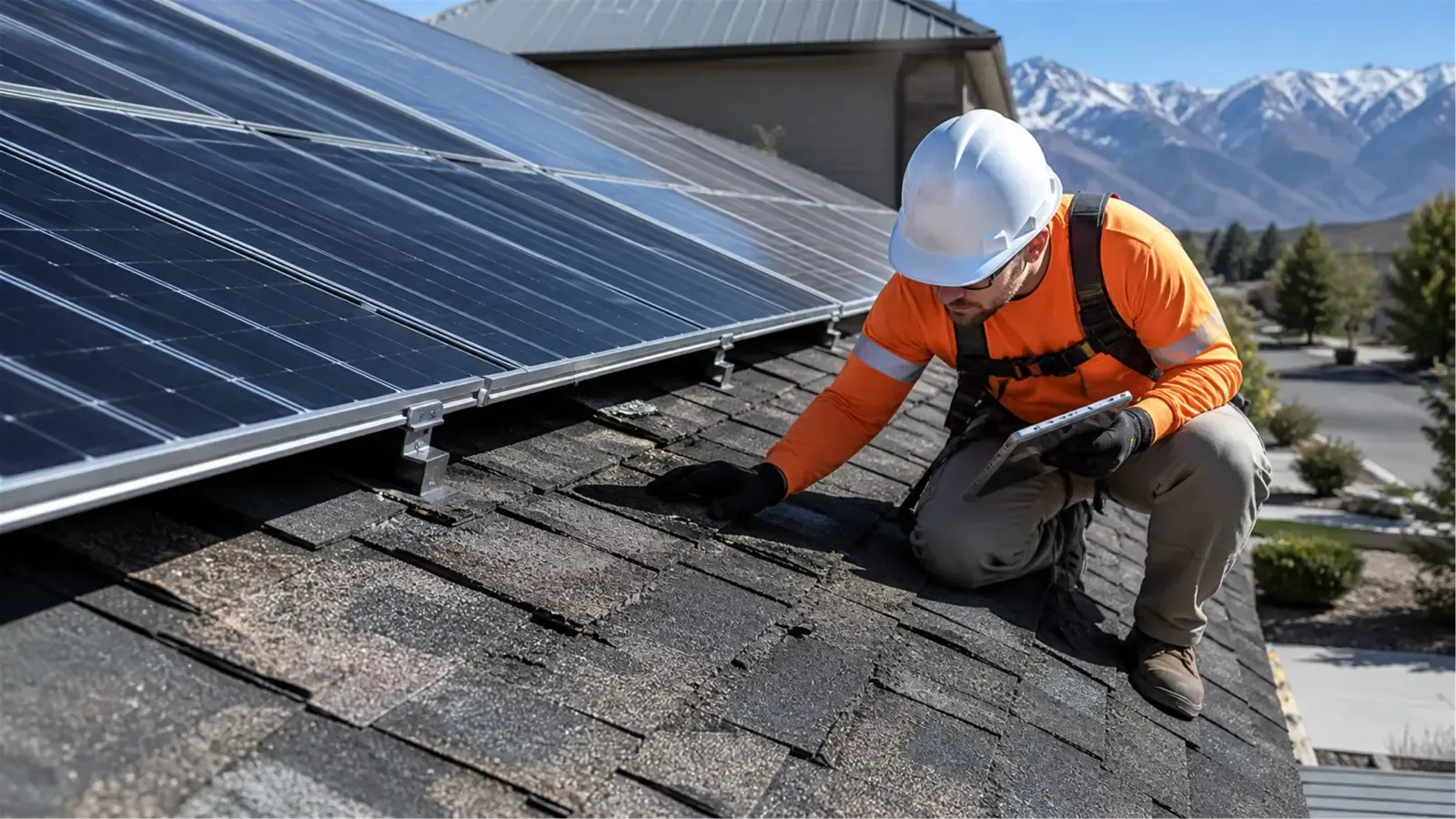
- Solar system age and condition
- Manufacturer compatibility
- Utility and permitting requirements
Some projects can integrate storage with limited changes, while others may require inverter modifications, electrical upgrades, additional control equipment, or a different design approach.
Is There a Suitable Installation Location?
Battery systems require an installation area that satisfies manufacturer instructions and applicable electrical, building, and fire requirements.
Potential locations may include an approved:
- Garage wall
- Utility room
- Basement equipment area
- Exterior wall
- Other protected installation space
The final location depends on equipment specifications, environmental exposure, required clearances, electrical access, ventilation considerations, and local requirements.
The U.S. Department of Energy offers guidance for homebuilders on preparing a home for battery storage, including installation and equipment considerations.
Do not purchase battery equipment based solely on whether it appears to fit on an open wall. A site evaluation should confirm that the proposed location is appropriate.
What Is Your Budget?
Battery project costs vary based on:
- Battery brand and model
- Storage capacity
- Power output
- Number of batteries
- Partial or whole-home design
- Electrical-panel modifications
- Control and transfer equipment
- Installation complexity
- Permits and inspections
- Compatibility with existing solar equipment
Available tax credits, utility programs, and financing options may change. Confirm current eligibility and requirements with the relevant government agency, utility provider, tax professional, or financial advisor before relying on a particular incentive.
Understanding Battery Capacity and Power
Battery capacity and power are related but different.
Battery Capacity
Capacity is commonly measured in kilowatt-hours. It represents how much usable energy the battery can store. Greater usable capacity can generally support the same loads for a longer period.
Battery Power
Power is measured in kilowatts. It indicates how much electricity the battery can deliver at one time. A battery may have enough stored energy to run several appliances for hours but lack the power output needed to start or operate them all simultaneously.
A professional system design considers both questions:
- How much energy must be stored?
- How much power must be delivered at once?
Battery quantity should not be selected using capacity alone.
Benefits of Adding Battery Storage to Solar
A properly designed solar-plus-storage system may provide several benefits.
Backup Power During Outages
A compatible battery system can disconnect from the utility grid and supply electricity to designated household loads during an outage.
Greater Use of Solar Energy
Energy generated during the day can be stored for later use instead of being used immediately or exported to the grid.
More Control Over Household Energy
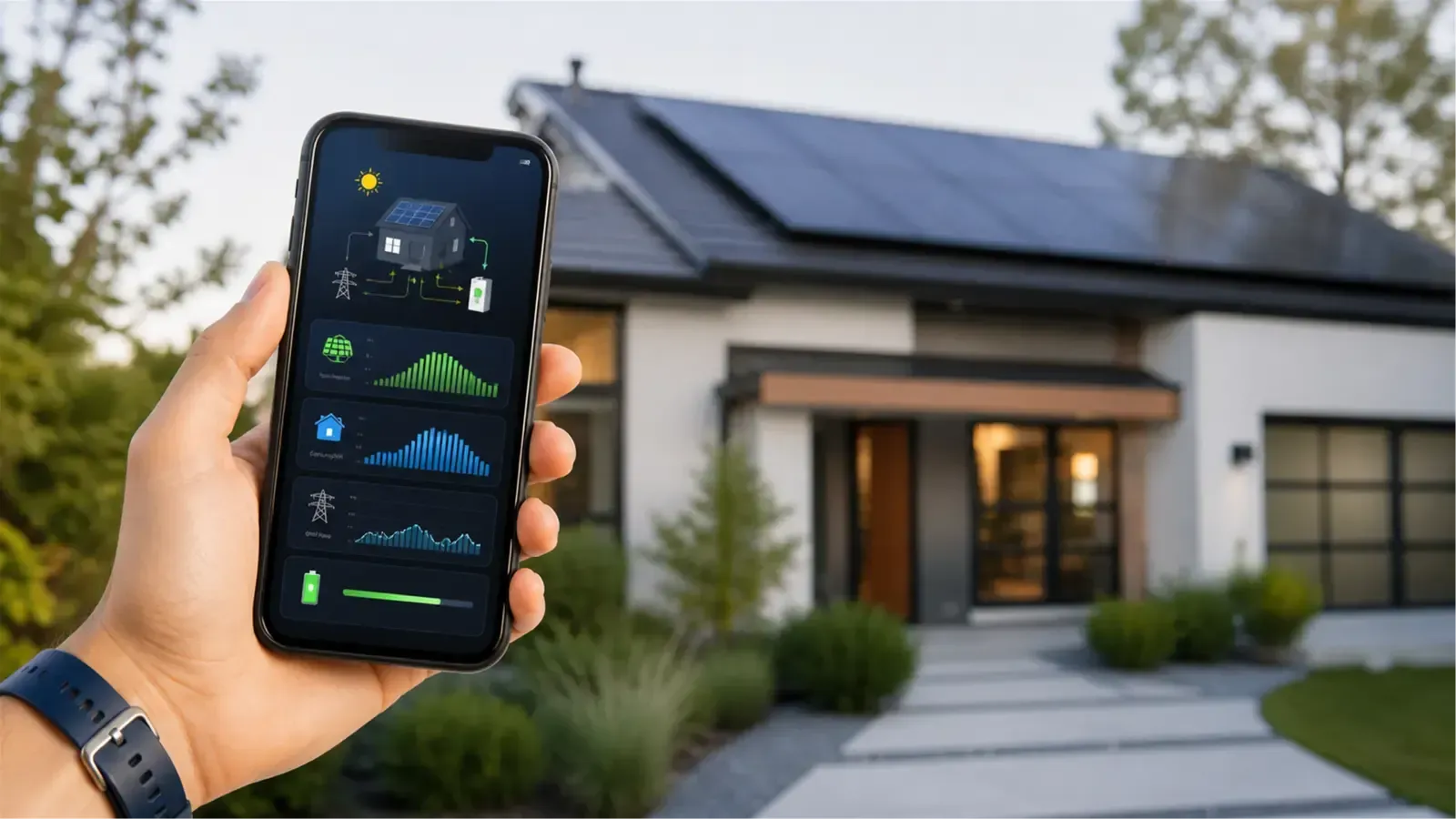
Compatible battery controls may allow homeowners to decide how much stored energy is reserved for outages and how much is used during normal operation.
Expandable Energy Planning
Some systems can be designed with future battery expansion, additional solar panels, or changing household energy needs in mind. Expansion depends on the selected equipment and original design.
Situations Where a Solar Battery May Be Worth Considering
Battery backup may deserve serious consideration if:
- Your area experiences recurring outages
- You work from home and depend on internet connectivity
- Your property relies on a well pump
- You want selected appliances available during outages
- You want to use more of your solar production after sunset
- You are installing a new solar system and want storage included
- You prefer an alternative to a fuel-powered portable generator
- You want greater control over household energy use
A battery may be less urgent if outages are rare, backup power is not a priority, or the expected benefits do not justify the project cost for your household. The decision should be based on your goals rather than the assumption that every solar home requires battery storage.
Questions to Ask a Solar Battery Installer
Before approving a battery project, ask:
- Which appliances and circuits will receive backup power?
- Is the design partial-home or whole-home backup?
- What are the battery's usable capacity and power output?
- How long might it support my planned loads?
- Can the battery recharge from solar during an outage?
- Is the equipment compatible with my existing solar system?
- Will my electrical panel require modifications?
- Where will the equipment be installed?
- Can the system be expanded later?
- Which equipment and workmanship warranties apply?
- What monitoring and support are included?
- Which permits and utility approvals are required?
The answers should be based on your property, equipment, and energy usage, not a generic backup estimate.
Frequently Asked Questions About Solar Battery Backup
Will Solar Panels Work During a Power Outage?
Most standard grid-connected solar systems shut down during an outage. Solar panels can support the home during an outage only when paired with the properly configured inverter, battery, isolation, and control equipment required for backup operation.
Can a Battery Power My Entire Home?
Some systems can be designed for whole-home backup, but that does not mean every appliance can run indefinitely or simultaneously. Battery capacity, power output, appliance demand, and solar production determine what can operate and for how long.
Can I Add a Battery to an Existing Solar System?
Often, yes, but compatibility must be confirmed. The existing inverter, solar configuration, electrical service, equipment condition, and selected battery can affect the installation approach.
How Long Will a Home Battery Last During an Outage?
There is no single answer. Duration depends on usable battery capacity, charge level, household demand, solar production, weather, and the appliances operating during the outage.
Can a Solar Battery Be Installed Without Solar Panels?
Some battery systems can operate without on-site solar and charge from the utility grid. Available functions, utility requirements, and financial benefits vary, so the proposed configuration should be reviewed with an installer.
Does a Solar Battery Require Maintenance?
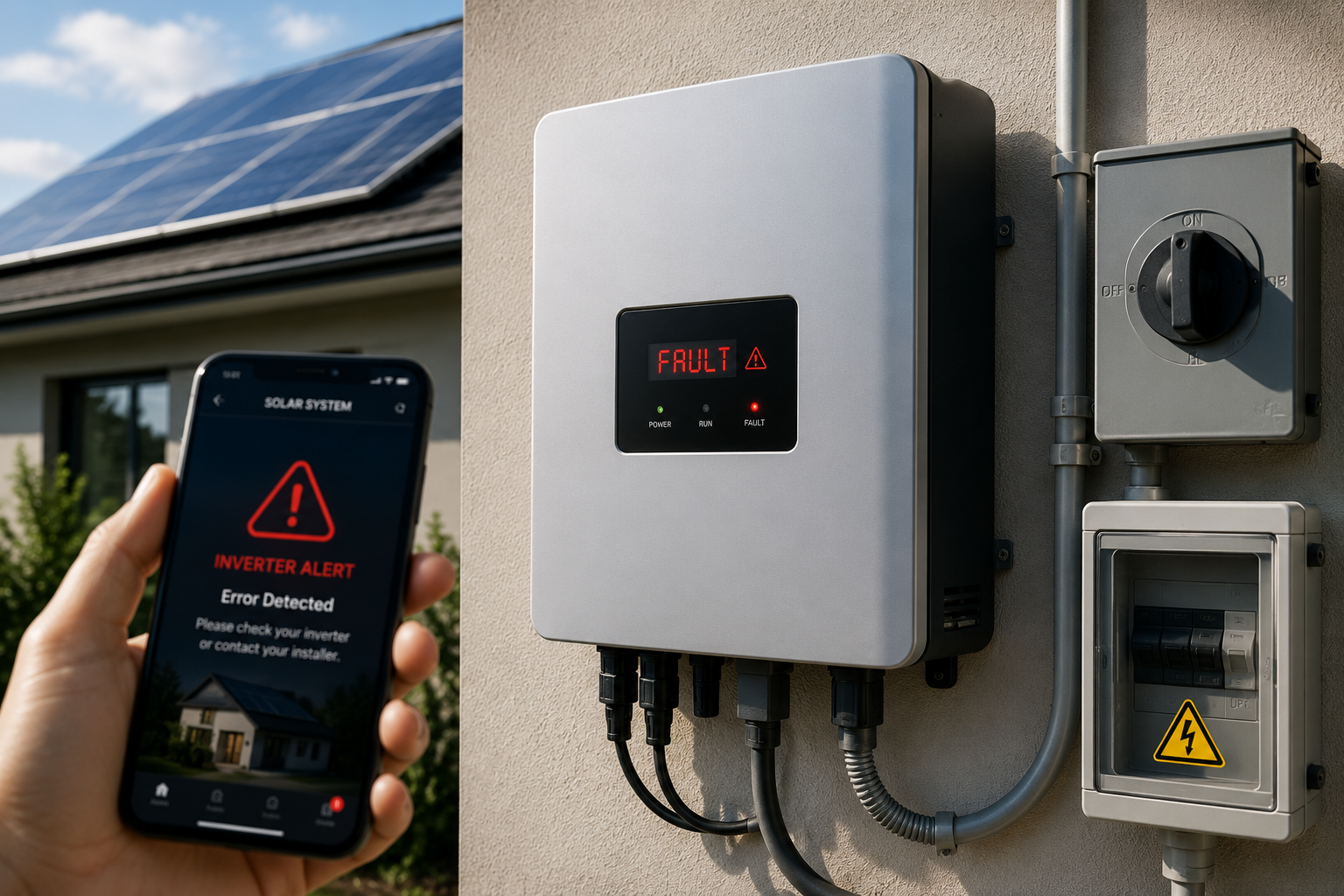
Maintenance requirements vary by battery model and manufacturer. Homeowners should monitor system alerts, keep the installation area clear, follow manufacturer instructions, and arrange professional service when a fault or performance concern appears.
Find the Right Solar Battery Backup System for Your Utah Home
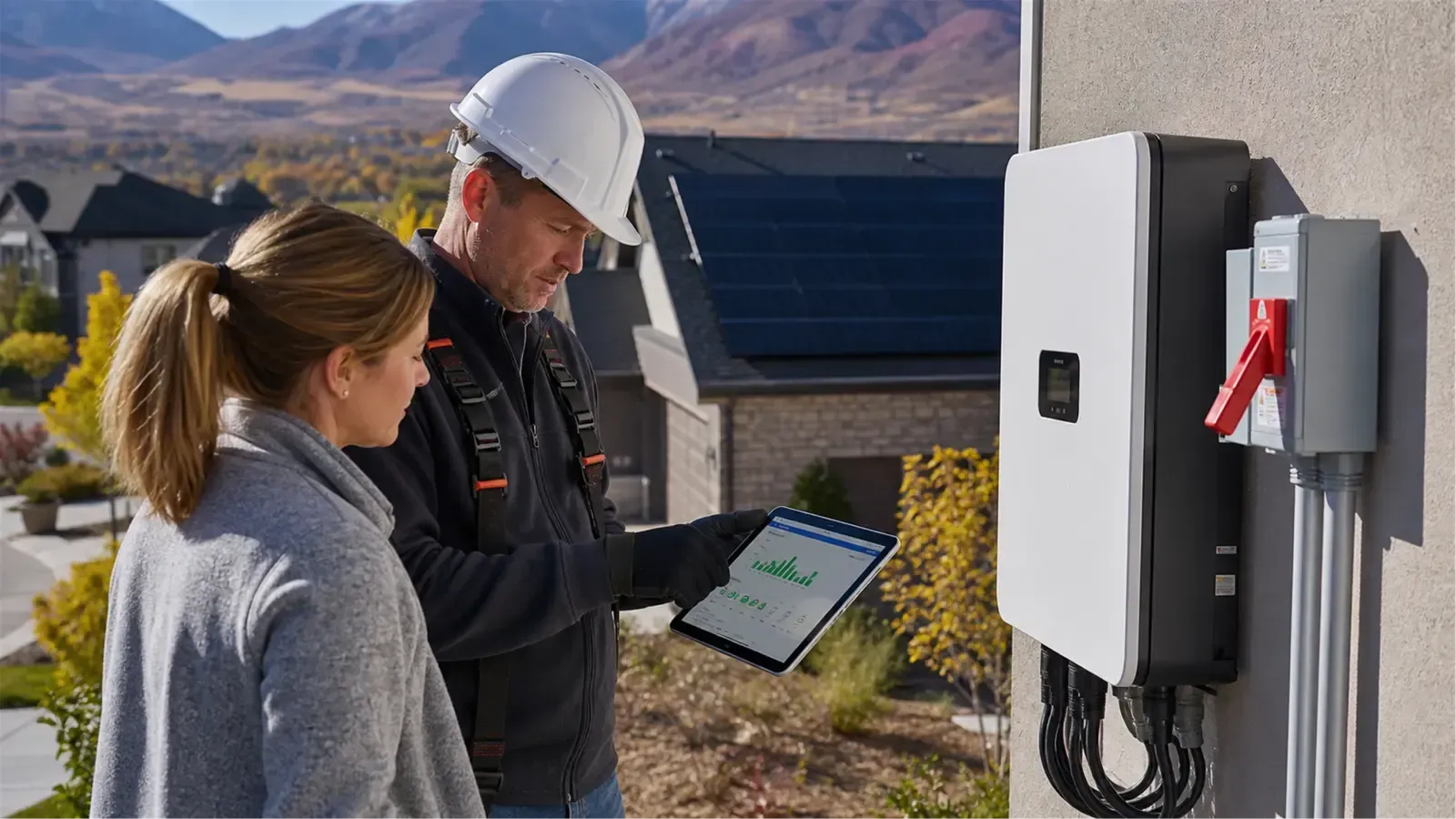
Modern Energy Solutions evaluates your energy use, existing equipment, backup priorities, available installation space, and property requirements before recommending a battery solution.
Solar battery installation and support are available in:
- Lehi
- American Fork
- Saratoga Springs
- Lindon
- Orem
- Provo
- Pleasant Grove
- Sandy
- Draper
- Riverton
Call Modern Energy Solutions at
(801) 941-7541 or submit the online contact form to discuss a solar battery backup system for your home.
Recent Posts